
To boost anti-inflammatory health, incorporate turmeric and ginger into your meals by adding them to soups, smoothies, or spice blends. Pair turmeric with black pepper to enhance absorption, and use omega-3-rich foods like fatty fish, chia seeds, or walnuts to support reducing inflammation. Regularly sip herbal teas with ginger or turmeric for added benefits. Keep exploring these simple, flavorful ways to fight inflammation — you’ll discover even more tips and tricks along the way.

Get kitchen staples and gadgets delivered free — and shop member deals
- Fast, free delivery on millions of items
- Access to Prime Big Deal Days deals on October 6–7
- Prime Video, Amazon Music and more included
Key Takeaways
- Incorporate turmeric and ginger into meals using spice blends, soups, and smoothies for their potent anti-inflammatory effects.
- Pair turmeric with black pepper to enhance curcumin absorption and maximize health benefits.
- Include omega-3 rich foods like fatty fish, flaxseeds, and walnuts to support anti-inflammatory health.
- Use herbal teas with ginger, turmeric, or chamomile regularly to boost antioxidants and reduce inflammation.
- Combine herbs, spices, and omega-3 sources in diverse dishes to promote consistent anti-inflammatory nutrition.
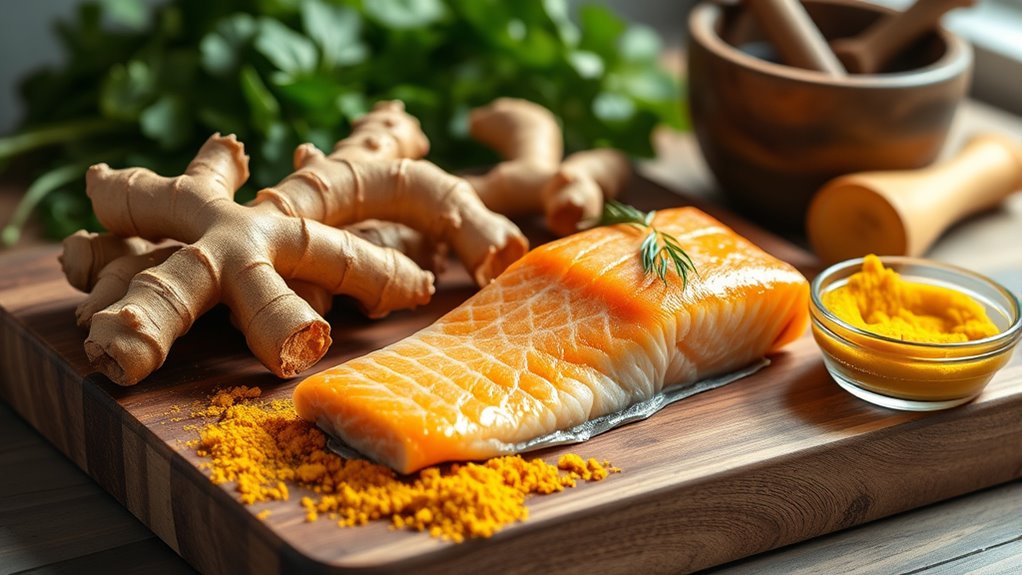
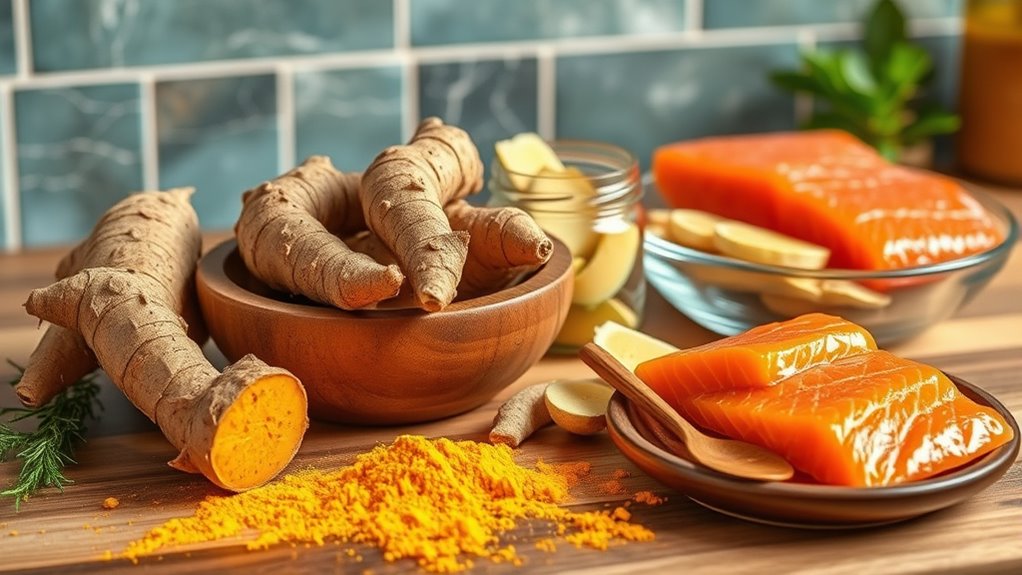
Anti-inflammatory cooking focuses on preparing meals that help reduce inflammation in your body, which can improve overall health and lower the risk of chronic diseases. When you choose ingredients wisely, you can create dishes that not only taste good but also support your immune system and reduce joint pain, fatigue, and other inflammation-related issues. One effective approach is incorporating spice blends into your cooking. These blends often include turmeric, ginger, cinnamon, and black pepper—ingredients known for their anti-inflammatory properties. For example, turmeric combined with black pepper enhances curcumin absorption, boosting its benefits. You can add these spice blends to soups, stews, roasted vegetables, or even smoothies to give your meals a flavorful punch while fighting inflammation.
Incorporate turmeric, ginger, cinnamon, and black pepper into your meals to naturally combat inflammation and boost health.
Herbal teas are another powerful tool in anti-inflammatory cooking. Drinking herbal teas like ginger, turmeric, chamomile, or green tea regularly can support your body’s natural defenses against inflammation. These teas contain antioxidants and phytochemicals that help neutralize free radicals and reduce inflammatory markers. Plus, herbal teas are easy to prepare—just steep fresh or dried herbs in hot water and enjoy. Incorporating herbal teas into your daily routine can complement your diet and provide soothing relief, especially during colder months or after meals.
In your quest for anti-inflammatory meals, think about how you can use spice blends to elevate simple dishes. For instance, a curry powder or a turmeric-ginger blend can be added to rice, lentils, or chicken dishes, infusing them with anti-inflammatory compounds. You might also experiment with making your own spice mixes, combining turmeric, cumin, coriander, and black pepper for a versatile, health-boosting seasoning. When cooking, don’t forget to include herbs like basil, oregano, and parsley, which have their own anti-inflammatory benefits. Fresh herbs can be added at the end of cooking or sprinkled on salads, providing flavor and health perks.
Herbal teas can also be a calming ritual that supports your anti-inflammatory goals. Sip on ginger or turmeric tea before or after meals to help digestion and reduce inflammation. You can enhance these teas with a squeeze of lemon or a teaspoon of honey for added flavor and health benefits. Consuming a variety of herbal teas throughout the day not only keeps you hydrated but also provides a steady intake of anti-inflammatory compounds. Additionally, incorporating foods rich in omega-3 fatty acids can further help reduce inflammation and support overall health.
turmeric and black pepper spice blend
As an affiliate, we earn on qualifying purchases.
As an affiliate, we earn on qualifying purchases.
Frequently Asked Questions
Can I Consume Turmeric and Ginger Together Daily?
Yes, you can safely consume turmeric and ginger together daily. They make excellent herb combinations and flavor pairings that boost anti-inflammatory benefits. Incorporating both into your meals can enhance taste and health. Just be mindful of your portions, especially if you have any medical conditions or take medications. Enjoy them in teas, curries, or smoothies for a flavorful, health-boosting routine.
Are Omega-3 Supplements Better Than Food Sources?
Think of omega-3 supplements like fish oil capsules as a quick fix, but food sources are your treasure trove. Fish oil provides a concentrated dose, which can be handy, yet plant-based omega-3s from flaxseeds, walnuts, and chia seeds offer additional nutrients and fiber. You’ll absorb nutrients better from whole foods, making them a more balanced choice. Supplements are convenient, but food sources give you more overall benefits.
How Much Turmeric Should I Use per Meal?
You should aim for about ½ to 1 teaspoon of turmeric per meal, which typically provides a safe intake level for most people. Turmeric dosage varies based on individual health conditions, but staying within this range helps you prevent potential side effects. Incorporate it into your cooking regularly, and if you’re considering supplements or higher doses, consult your healthcare provider to ensure safe intake levels.
Do Cooking Methods Affect Anti-Inflammatory Properties?
Cooking techniques do affect ingredient stability, impacting their anti-inflammatory properties. For example, simmering or slow cooking can preserve more nutrients in turmeric, ginger, and omega-3s compared to high-heat methods like frying or grilling. You should choose gentle cooking methods to maintain these benefits, as excessive heat can degrade key compounds. By selecting appropriate techniques, you can maximize the anti-inflammatory potential of your meals and enjoy their health benefits.
Are There Any Side Effects of Long-Term Anti-Inflammatory Eating?
Long-term anti-inflammatory eating can offer many benefits, but you should watch for potential side effects. Overdoing certain foods like turmeric or omega-3s might cause nutrient imbalances or issues like blood thinning. To avoid this, maintain a balanced diet that includes a variety of nutrients. Regularly check in with a healthcare professional to ensure your long-term eating habits support your overall health without unintended consequences.
Conclusion
By embracing anti-inflammatory ingredients like turmeric, ginger, and omega-3s, you’re planting seeds of wellness in every meal. Think of your kitchen as a garden, where each spice and nutrient blooms into a shield against inflammation. With each flavorful bite, you’re weaving a tapestry of health that nourishes your body and calms your mind. So, stir these powerful ingredients into your dishes, and watch your health flourish like a vibrant, unstoppable garden in full bloom.
NFL season / tailgating Picks
team gear
As an affiliate, we earn on qualifying purchases.