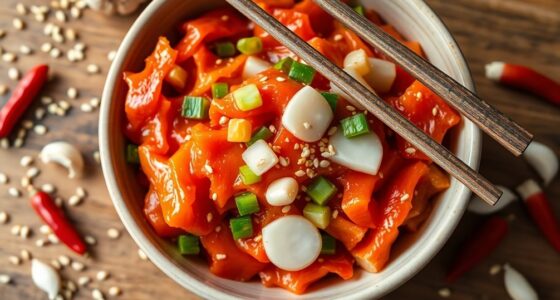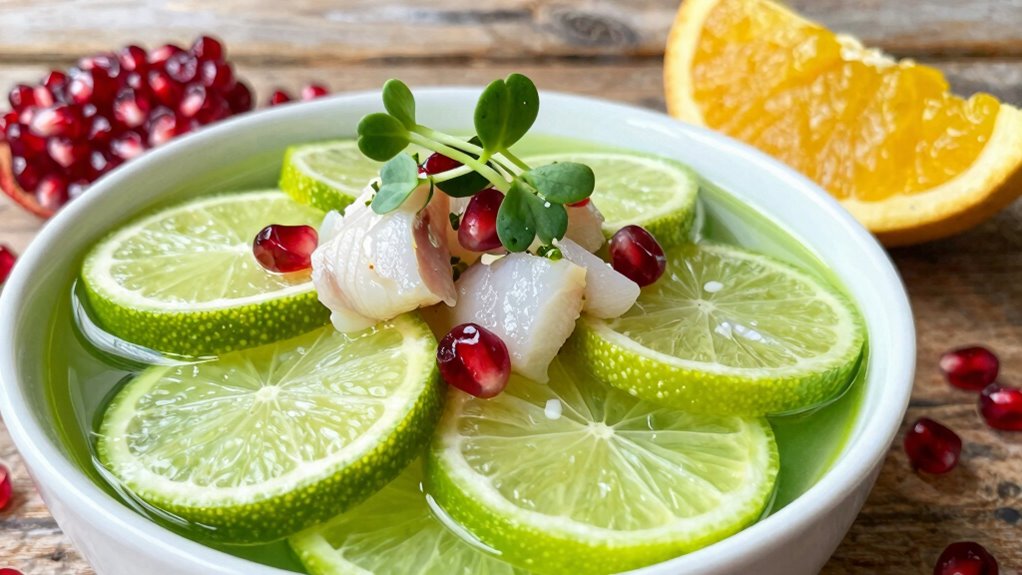

Across world cuisines, acids are used in surprisingly diverse ways. You might use lime or vinegar to brighten dishes or cut through richness, like in Mexican tacos or Italian risottos. Acids also cook ingredients without heat, as in ceviche, or tenderize meats, seen in Indian marinades. Fermentation develops complex flavors in foods like miso and kimchi. If you keep exploring, you’ll discover even more fascinating flavors and techniques that showcase how acids transform every cuisine.
Open a free Amazon Business account
Business pricing, bulk buying and tax-exempt orders.
As an affiliate, we earn on qualifying purchases.
Key Takeaways
- Latin American ceviche uses citrus to “cook” raw fish through protein denaturation without heat.
- Asian cuisines incorporate fermentation acids like miso and kimchi to develop complex flavors and preservation.
- European dishes utilize vinegars for balancing richness and enhancing flavors in dressings and sauces.
- Indian cuisine employs acidic marinades like yogurt to tenderize meats and add tangy depth.
- Middle Eastern and Mediterranean foods often combine acids with herbs to brighten and harmonize dishes.
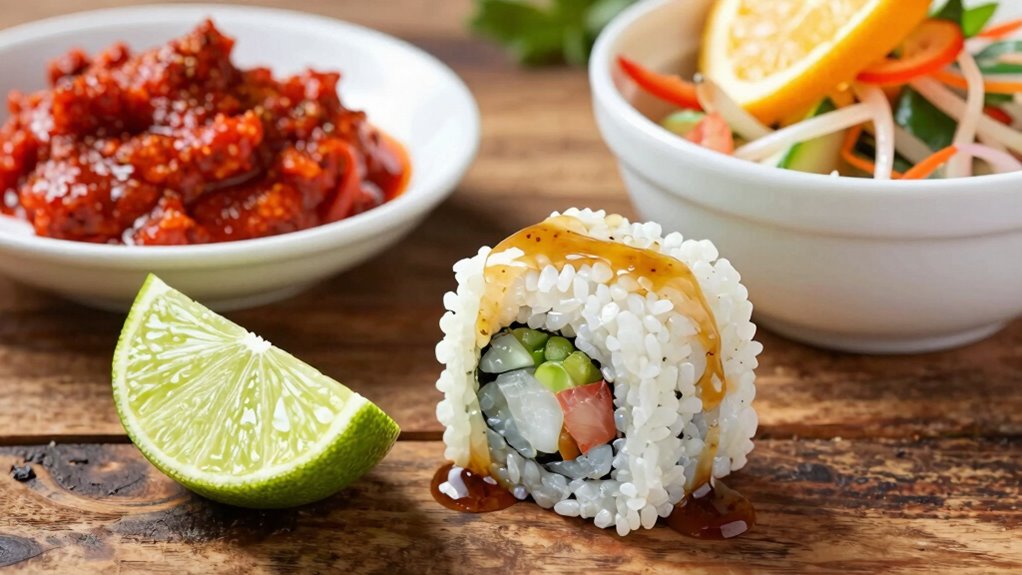
Many world cuisines rely on the strategic use of acids to enhance flavor, balance richness, and create memorable dishes. Acid isn’t just about adding a tangy note; it’s a versatile tool that can transform the entire dining experience. In many culinary traditions, fermentation techniques harness acids to develop complex flavors and preserve ingredients. For example, in Japanese cuisine, miso undergoes fermentation that produces lactic acid, giving it its signature umami depth while balancing its salty and savory profile. Similarly, in Korean dishes, kimchi relies on fermentation to develop acidity, which adds both tang and depth, balancing spicy and savory elements. These fermentation techniques are essential because they liberate flavors that raw ingredients alone can’t deliver, enriching dishes with layers of taste. Additionally, understanding the role of acids in preservation helps appreciate their importance beyond flavor. The chemical reactions involved in fermentation are fundamental to understanding how acids influence both flavor and texture in these traditional foods.
In other cuisines, acid plays a more direct role in flavor balancing. Think of the squeeze of lime over Mexican tacos or a splash of vinegar in a Vietnamese dipping sauce. These acids brighten the dish, cut through richness, and elevate other flavors. You’ll find that in Italian cuisine, a dash of lemon juice can lift a creamy risotto or cut through the heaviness of rich cheeses. In French cuisine, vinegar is often used in salad dressings to provide a sharp contrast to sweet and fatty ingredients, creating harmony on the palate. The key is understanding how different acids—be it citrus, vinegar, or fermented products—interact with other flavors. They don’t just add sourness; they create a balance that makes each component shine.
In some cuisines, acids are integral to the very process of creating the dish. For example, in Latin American cooking, ceviche is made by “cooking” raw fish in citrus juice, primarily lime or lemon. The acid denatures the proteins in the fish, transforming its texture and flavor without heat. This method exemplifies how acids serve both as flavoring agents and as cooking tools, showcasing their adaptability. Similarly, in Indian cuisine, yogurt is used in marinades and sauces, where its acidity tenderizes meat and adds a subtle tang that complements spices. The chemical reaction involved in this process highlights how acids can alter the structure of ingredients at a molecular level. This understanding can help cooks manipulate textures and flavors more intentionally in their culinary creations.
Across the globe, acids serve multiple purposes—preserving, tenderizing, flavoring, and balancing. Your understanding of these diverse applications can help you appreciate how acids are more than just sour notes; they’re essential for creating depth, harmony, and complexity in dishes. Whether harnessed through fermentation or added directly, acids invite you to explore a world of tastes, each with its own unique way of shaping culinary traditions.
As an affiliate, we earn on qualifying purchases.
Frequently Asked Questions
How Do Different Acids Affect Food Preservation Across Cultures?
Different acids influence food preservation across cultures through fermentation techniques and pH balancing. You’ll find vinegar, lemon juice, or fermented products like kimchi and sauerkraut relying on acids to inhibit bacteria growth. These acids lower pH levels, creating an environment that preserves foods longer and enhances flavor. Each culture adapts its unique acid sources and fermentation methods, making preservation an essential part of culinary traditions worldwide.
Are There Traditional Dishes That Avoid Using Acidic Ingredients?
You’ll find traditional dishes that dodge acidic ingredients, emphasizing earthy, creamy, or herbal elements instead. Traditional avoidance often stems from cultural neutrality, valuing ingredients like rice, millet, or legumes over citrus or vinegar. For example, Japanese dishes like tempura focus on delicate frying rather than acidity, while Indian curries highlight spices and dairy. These dishes celebrate flavors without relying on acids, showing diverse culinary approaches that embrace balance without acidity’s tang.
How Do Cultural Preferences Influence Acid Usage in Recipes?
You can see that cultural preferences shape how much culinary acidity you find in recipes. In some cuisines, like Japanese, there’s a focus on subtle flavor balance, so they use less acid to preserve natural tastes. In contrast, Mexican dishes often highlight bold acidity, enhancing overall flavor balance. These preferences influence ingredient choices and cooking techniques, showing how cultural tastes directly affect the use of acid in traditional dishes.
What Are the Health Benefits or Risks of Eating Acidic Foods?
Eating acidic foods can boost flavor enhancement, making your dishes more vibrant and appealing. They may also offer digestive benefits by stimulating saliva production and aiding enzyme activity, helping your stomach process food more efficiently. However, be cautious, as excessive acid intake can lead to risks like tooth enamel erosion or heartburn. Enjoy acidic foods in moderation to enjoy their benefits without harming your health.
How Has Globalization Changed the Use of Acids in Cuisines?
Globalization has transformed how you experience cuisine, blending traditional acids like vinegar and citrus with fusion flavors. You now encounter dishes that balance acid in innovative ways, creating new taste profiles. This cross-cultural exchange encourages chefs to experiment with acid balance, adding complexity and brightness to dishes. As a result, your palate benefits from diverse, dynamic flavors, making global cuisine more exciting and accessible than ever before.
Conclusion
So, next time you’re savoring that tangy squeeze of lemon or a splash of vinegar, remember: acids are the world’s culinary chameleons, playing wildly different roles. They can brighten flavors, tenderize meat, or even keep your sushi fresh. But don’t get too comfortable—your palate’s just a tiny playground for these acidic tricksters. Truly, in the grand universe of cuisine, acids have mastered the art of surprising, confusing, and delighting us all, one pH at a time.
Flea & tick season Picks
flea and tick prevention
As an affiliate, we earn on qualifying purchases.