
📊 Full opportunity report: Pranzo Della Domenica: A Late-Summer Sunday Lunch Menu From Campania on Mad Tasting — validation score, market gap, and execution plan.
Listen free for 30 days with Audible
Thousands of audiobooks and originals — cancel anytime.
Start your free trialAs an affiliate, we earn on qualifying purchases.
TL;DR
This article details a typical late-summer Sunday lunch in Campania, emphasizing regional ingredients, multiple courses, and a slow, communal dining style. The menu adapts to seasonal produce, promoting a relaxed family tradition.
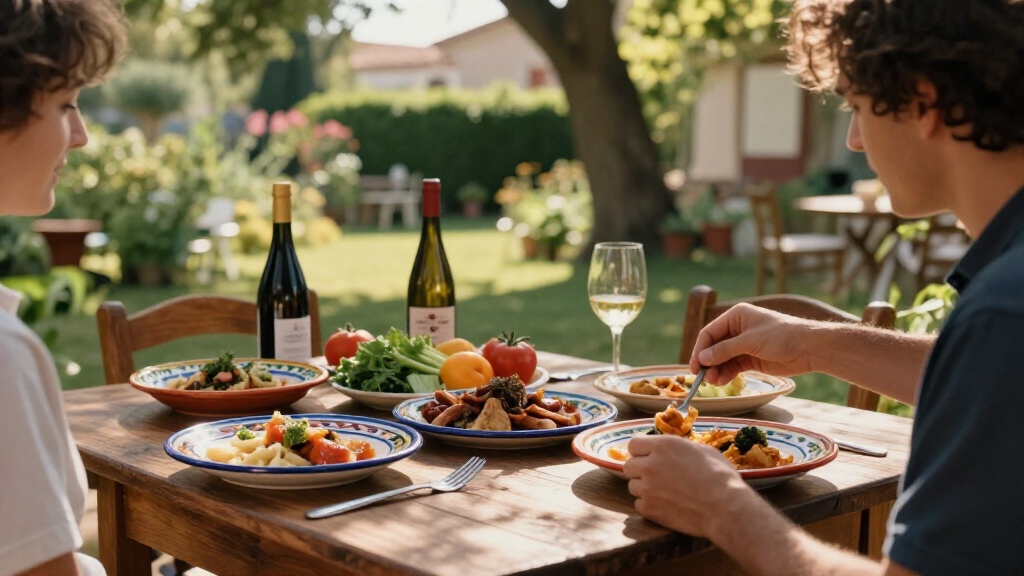
A traditional Campanian Sunday lunch in late summer features a six-course menu built around regional ingredients, designed for a relaxed, unhurried family gathering. This menu emphasizes fresh produce, regional specialties, and a pace that encourages conversation and connection, aligning with local customs.
The menu includes an aperitivo of taralli, olives, and chilled Falanghina, followed by antipasto of tomatoes, mozzarella di bufala, basil, and optional anchovies. The primo course is Pasta alla Nerano, made with zucchini and cheese, offering richness without heaviness. The secondo features fish all’acqua pazza, cooked in a light tomato broth, paired with marinated vegetables such as eggplant or peppers. For dessert, figs with ricotta, honey, and toasted hazelnuts complete the meal. Most components can be prepared in advance, allowing the host to enjoy the gathering without last-minute stress.
This approach reflects the regional diversity of Campania, from the coast to inland hills, emphasizing fresh, local ingredients and a multi-course format that encourages lingering at the table. The meal typically starts around 1:30 p.m. and can last several hours, with pauses between courses for conversation and relaxation.
Pranzo della Domenica
A six-course Sunday lunch shaped by ripe produce, coastal freshness, regional specialties, and the luxury of an afternoon with nowhere else to be.
The afternoon’s natural rhythm
The sequence matters as much as the recipes. Courses arrive independently, leaving space for conversation, clearing the table, and returning without urgency.
One tradition, multiple Campanian expressions
Campania’s Sunday table changes between coastal communities and inland hills. Late summer keeps the ritual intact while replacing cooler-weather ragù and baked pasta with fresher, lighter ingredients.
Cetara and Sorrento
Fresh fish, anchovies, tomatoes, citrus and vegetable dishes bring saline brightness and lighter preparations.
Irpinia and Benevento
Legumes, cheeses, cured meats and hill-grown produce create a more earthy expression of the same communal format.
| Menu element | Late-summer choice | Cooler-month tradition | Flexible substitute |
|---|---|---|---|
| Main flavor | ✓ Fresh tomato and herbs | ~ Long-cooked ragù | Best ripe local tomatoes |
| Primo | ✓ Pasta alla Nerano | ~ Baked pasta | Seasonal squash and mild cheese |
| Secondo | ✓ Fish all’acqua pazza | ✗ Heavy braised meat | Any fresh, mild white fish |
| Dessert | ✓ Figs and ricotta | ~ Rich pastry | Seasonal fruit and mild fresh cheese |
✓ Best seasonal fit ~ Traditional alternative ✗ Less suited to hot weather
Prepare early, then join the table
Scale the quantities for a small gathering without losing the course structure. The essential ingredients are leisurely pacing, seasonal quality and a host who can participate.
This menu exemplifies the Campanian tradition of unhurried, communal dining that celebrates regional ingredients and seasonal produce. It highlights the importance of preserving local food customs, fostering family bonds, and enjoying food as a shared experience rather than a rushed necessity. Such a meal offers insight into the region’s culinary identity and its approach to hospitality, which values quality, locality, and conviviality.
Italian regional pasta cookware set
As an affiliate, we earn on qualifying purchases.
As an affiliate, we earn on qualifying purchases.
Regional Variations and Seasonal Adaptations in Campanian Cuisine
Campania’s culinary landscape varies from coastal areas like Cetara and Sorrento to inland regions like Irpinia and Benevento, each with distinct ingredients and traditions. Historically, Sunday meals are elaborate, often featuring slow-cooked ragù and baked pasta in cooler months. In late summer, these are replaced with lighter dishes emphasizing fresh tomatoes, vegetables, and seafood, reflecting the season’s bounty. This adaptation maintains the cultural rhythm of Sunday feasts while respecting the climate and available ingredients.
“Pranzo della domenica is more than Sunday lunch; it is a communal ritual built around family, generosity, and time. Serving courses separately and inviting lingering conversations preserve its essence.”
— Mad Tasting
Remaining Questions About Variations and Modern Adaptations
It is not yet clear how widely this specific menu is adopted across different families in Campania or how modern dietary preferences influence traditional formats. Additionally, the impact of global supply chains on regional ingredients and whether substitutions alter the meal’s authenticity remain to be seen.
Next Steps for Hosting or Experiencing a Campanian Sunday Lunch
Readers interested in recreating this meal can experiment with regional ingredients, adjusting portions and preparations as needed. Local markets and specialty stores can provide authentic products like DOP mozzarella and protected tomatoes. For those visiting Campania, attending a family gathering or a local restaurant offering this style of lunch can provide a genuine experience. Future culinary guides may explore variations or modern twists on this traditional format.
Key Questions
What are the key ingredients for the late-summer Campanian lunch?
The key ingredients include Pomodoro San Marzano tomatoes, Mozzarella di Bufala, zucchini, fresh fish, eggplant, peppers, figs, ricotta, basil, and olive oil.
Can this menu be adapted for smaller gatherings?
Yes, the menu can be scaled down while maintaining the course structure; however, the emphasis on leisurely pacing and regional ingredients remains central.
What makes Pasta alla Nerano suitable for summer?
Its lightness, use of fresh zucchini, and emulsion of pasta water and cheese make it a cooling yet satisfying dish ideal for warm weather.
Are there regional variations within Campania for this meal?
Yes, coastal areas emphasize seafood and lighter vegetable dishes, while inland regions incorporate more legumes, cheeses, and cured meats, reflecting local terroirs.
Use fresh, local tomatoes and cheese alternatives like mild ricotta if mozzarella is unavailable. For fish, any fresh, mild-flavored white fish can work as a substitute.
Source: Mad Tasting
NFL season / tailgating Picks
team gear
As an affiliate, we earn on qualifying purchases.