TL;DR

Get kitchen staples and gadgets delivered free with Prime
- Fast, free delivery on millions of items
- Prime Video, Amazon Music and more included
- Member-only deals all year
A Good Housekeeping report recommends eight foods to add to Mediterranean-style meals this fall: butternut squash, lentils, pears, kale, citrus, walnuts, olive oil and pomegranate. The foods are presented as seasonal choices and versatile ingredients; the report describes several potential health benefits but does not establish that adding any one food prevents or treats disease.
Good Housekeeping has highlighted eight seasonal foods for Mediterranean-style eating this fall, including butternut squash, lentils, pears, kale, citrus, walnuts, olive oil and pomegranate. The report focuses on how the ingredients can be used in soups, salads, grain bowls and other meals, while describing potential nutritional benefits that should not be read as proof that a particular food prevents or treats disease.
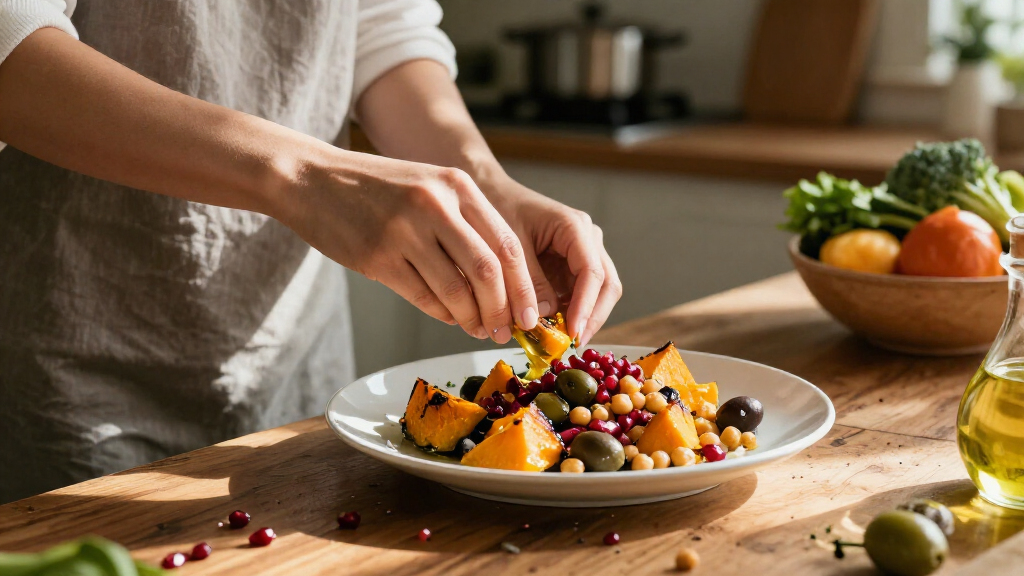
The selections combine produce associated with cooler weather and pantry staples. Butternut squash can be roasted with olive oil and herbs, blended into soup or added to pasta and salads. The report identifies it as a source of fiber and beta carotene. Lentils offer plant-based protein, fiber and iron, and can anchor soups, stews or warm salads with roasted vegetables.
Pears and kale provide different ways to bring seasonal produce to the plate. Good Housekeeping describes pears as a fall fruit that supplies dietary fiber and vitamin C; it suggests eating them fresh or pairing them with walnuts and feta. Kale, a sturdy leafy green, can be massaged with olive oil and lemon for a salad, sautéed with garlic or cooked in soup. The report lists vitamins A, C and K among kale’s nutrients.
Lemons and oranges add acidity and sweetness to fall dishes, while walnuts bring crunch and plant-based fats. Olive oil is presented as a cooking and finishing ingredient, and pomegranate arils as a sweet-tart topping for salads, roasted vegetables, yogurt or hummus. Together, the eight foods can be used in familiar dishes rather than requiring a separate menu.
Seasonal Ingredients, Everyday Meals
The guide’s practical value is its emphasis on seasonal ingredients and flexible uses. A squeeze of lemon can brighten a lentil or kale stew; pears and walnuts can add texture to a salad; and olive oil can be used to roast squash or dress greens. These combinations make it easier to adapt meals as fall produce becomes available, without treating the Mediterranean diet as a list of single “superfoods.”
The health language needs careful reading. The report connects foods with nutrients and cites possible benefits, but those statements do not establish that eating one ingredient will reduce an individual’s risk of disease. Overall dietary patterns, serving sizes, preparation and a person’s health needs all matter. Readers with dietary restrictions or medical questions should rely on qualified health professionals rather than treating a seasonal food list as medical advice.
Products Worth Considering

KitchenAid Artisan 5-Qt Tilt-Head Stand Mixer – Dried Rose (KSM150PS)

Instant Pot Duo 6-Quart 7-in-1 Electric Pressure Cooker

Le Creuset Signature 6.5-Quart Deep Round Dutch Oven with Light Gold Crucible Knob, Enameled Cast Iron, Bleu Riviera
As an affiliate, we earn on qualifying purchases.
How the Fall List Was Framed
Good Housekeeping’s report presents the foods as choices that fit the Mediterranean diet, a pattern that commonly features vegetables, fruit, legumes, nuts and olive oil. Its seasonal framing tracks produce availability: the article says citrus season begins in November and pomegranates are in season in late fall and early winter.
The article also includes comments attributed to people identified as Stuart and Shaw. Stuart recommends butternut squash and notes ways to prepare it; Shaw describes pairing citrus with beans and lentils. The supplied report does not give their full names or professional credentials, so their statements are attributed only by the names provided.
“Fall is the perfect time to enjoy butternut squash, a fantastic addition to the Mediterranean diet.”
— Stuart, as quoted by Good Housekeeping
Limits of the Health Claims
The report describes some benefits as potential or based on associations, including possible links between pears and heart health and between citrus compounds and health outcomes. It does not provide study details, effect sizes or a basis for concluding that these foods prevent or treat particular diseases. Claims about compounds in olive oil likewise should not be interpreted as evidence that olive oil is a cancer or heart-disease treatment. The evidence and individual effects cannot be assessed from the seasonal guide alone.
The source material also does not specify serving sizes, quantities, or how the suggested recipes fit different dietary needs. The named experts’ full identities and credentials are not provided in the supplied text.
Putting the Foods on the Plate
The report offers recipe ideas rather than a formal meal plan or a forthcoming research update. Readers can use the suggestions as inspiration: roast squash, add lentils to a warm salad, combine pears with walnuts, or finish a kale dish with lemon and olive oil. Availability will vary by location, so shoppers can choose what is fresh and practical where they live.
No specific follow-up, study release or public-health guidance is identified in the source. The next step for readers is to use the foods in balanced meals according to their preferences and needs, while treating the article’s health statements as general information rather than individualized advice.
Key Questions
Which foods does the report recommend for fall?
It names butternut squash, lentils, pears, kale, lemons and oranges, walnuts, olive oil and pomegranate as ingredients for Mediterranean-style seasonal meals.
How can I use these foods in everyday meals?
The report suggests roasting squash, adding lentils to soups or salads, pairing pears with walnuts, using kale in stews, adding citrus to dishes, and topping salads or grain bowls with pomegranate. Olive oil can be used for cooking or as a dressing.
Does the article show that these foods prevent disease?
No. It describes nutrients and possible health associations, but the supplied report does not establish that eating any one of these foods prevents or treats disease.
When are citrus and pomegranates in season?
The report says citrus season begins in November and pomegranates are in season during late fall and early winter. Actual availability varies by region.
Source: goodhousekeeping.com