TL;DR
AI-powered kitchen timers can interpret spoken requests, label several cooking reminders, and in some products suggest timers from recipe steps. Their usefulness depends on accurate recognition and reliable alerts; they cannot confirm that food is safely cooked. Product features, offline behavior, privacy controls, and costs vary.
A consumer guide to AI-powered kitchen timers, the original analysis, describes how spoken commands and recipe-linked reminders could help cooks track several Thanksgiving dishes at once, while warning that speech errors and service outages can disrupt alerts. The guide stresses that these tools are reminders, not food-safety devices: cooks still need to check food and use a thermometer when safe internal temperature matters.

Get kitchen staples and gadgets delivered free with Prime
- Fast, free delivery on millions of items
- Prime Video, Amazon Music and more included
- Member-only deals all year
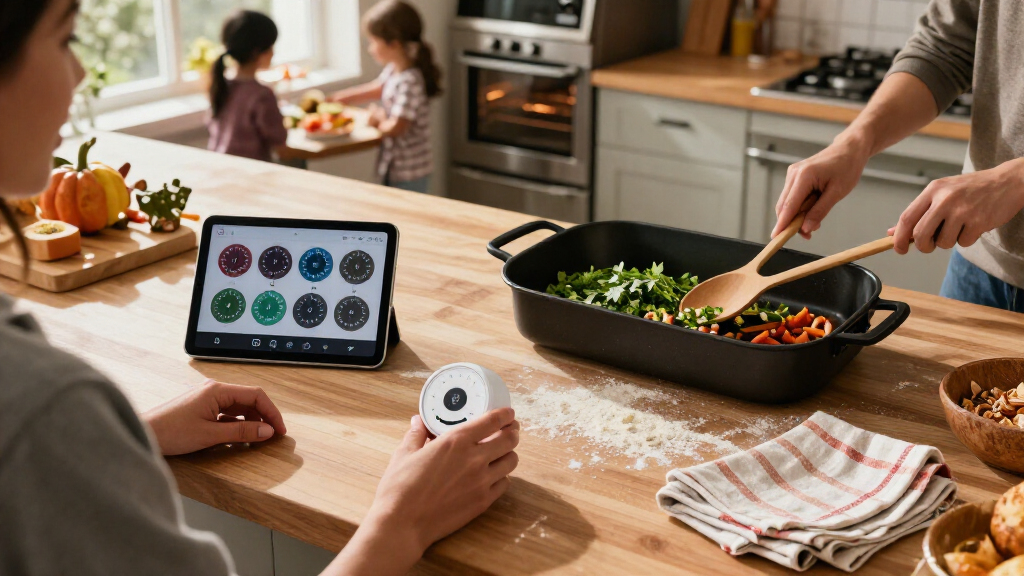
The guide says some timers can interpret requests such as setting one timer for pasta and another for sauce, then keep the tasks separate. Named alerts can help when several dishes finish close together, since an unlabeled beep may not tell a cook which pan or tray needs attention. Features differ: a product may respond to voice commands or connect to an app without interpreting flexible requests or organizing recipe steps.
Speech recognition can mishear a duration or task amid a running faucet, range hood, or conversation. The guide recommends using clear timer names, checking spoken confirmations or a visible timer list, and reviewing any recipe-generated alerts before cooking. It also advises checking whether a timer can be paused, adjusted, or dismissed individually.
Before buying, shoppers are advised to compare alert methods, offline operation, privacy controls, compatible devices, subscriptions, and total cost. The guide notes that a connection to Wi-Fi or voice control by itself does not establish that a product uses AI. Its overview describes a broad trend toward adding conversational and generative features to assistants and recipe services, but says capabilities may vary by software version, region, and paid tier.
5 Ways AI Kitchen Timers Can Help on Thanksgiving
AI-powered timers may help track several dishes with spoken requests and named reminders. Their value depends on accurate recognition and reliable alerts.
Five ways timers may help
Features vary by product; check what a timer actually supports.
Set separate timers
Some systems can handle a request for one timer for pasta and another for sauce.
Name each reminder
Labels can help identify which pan or tray needs attention when alerts overlap.
Use spoken requests
Voice controls may let cooks set reminders without touching a phone with messy hands.
Get timer suggestions
Some products suggest timers from recipe steps; review the alerts and durations before cooking.
Manage reminders
Check whether timers can be paused, adjusted, or dismissed individually.
Where recognition can fail
Kitchen noise, mistaken durations, missed alerts, or service outages can disrupt reminders.
Running faucets, range hoods, and conversation can interfere with recognition.
Check spoken confirmations or the visible timer list for the right task and duration.
Try commands and alerts before Thanksgiving, including whether the timer works offline.
What to check before buying
Compare current product documentation; features can vary by software, region, and paid tier.
| Check | Why it matters |
|---|---|
| Voice and recipe features | Voice control alone does not prove a product interprets flexible requests or organizes recipe steps. |
| Alerts and offline use | Know how reminders arrive and whether they work without a connection. |
| Privacy and compatibility | Check controls and compatible devices. |
| Subscriptions and cost | Review subscription requirements and total cost. |
Keeping Thanksgiving Tasks Straight
Thanksgiving often puts several timed tasks in motion at once, from warming rolls to checking vegetables and watching stovetop dishes. A timer that can create separate, named reminders may reduce the need to touch a phone with messy hands and help cooks decide what to check when alerts overlap.
The benefit depends on whether the device hears and reports the request correctly. A mistaken duration could delay a reminder, while a missed alert could leave a cook unaware that a task needs attention. Clear confirmation and dependable alerts matter more than a broad AI label. Timers can support kitchen organization, but they cannot inspect food or replace safe cooking practices.
Products Worth Considering

Cuisinart Pro Custom 11-Cup Food Processor (DLC-8SBCYP1)

Ninja SLUSHi Professional Frozen Drink Maker, FS301
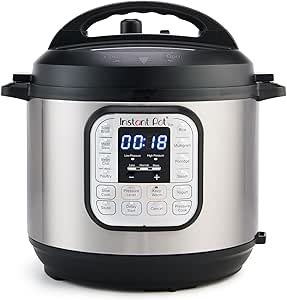
Instant Pot Duo 6-Quart 7-in-1 Electric Pressure Cooker
As an affiliate, we earn on qualifying purchases.
What Timer Features Actually Do
The term AI-powered kitchen timer covers a range of functions, from interpreting natural spoken requests to linking timer suggestions with recipes or other devices. Some products offer only preset commands, app connections, or standard voice recognition. A feature list is more informative than the label: shoppers can look for named timers, voice adjustments, recipe-step suggestions, and a way to review active reminders.
The guide says software features can change with updates, location, subscriptions, and compatible devices. It places conversational and generative AI additions to assistants and recipe services within a trend described as of mid-2024. That background does not confirm what any particular Thanksgiving shopper’s device currently supports; current product documentation is needed.
“A kitchen timer can be smart without using AI: voice control or an internet connection alone does not show that a product can interpret requests or adapt recipe steps.”
— Thorsten Meyer AI guide
Where Recognition Can Fail
The guide does not test or rank specific timer models, so it does not establish which products will reliably recognize commands in a noisy kitchen or continue working during an internet outage. Performance, alert options, privacy settings, and costs vary by product and may change with software updates or subscriptions. A recipe service may also misread a step or suggest a reminder that needs adjustment. The guide gives no product-specific safety certification or evidence that an AI timer can determine whether food is cooked safely.
Checks Before Cooking Day
Before Thanksgiving, shoppers can verify a device’s current features in its manufacturer documentation, including whether timers work offline, how alerts are delivered, and whether a subscription is required. Cooks who already own one can test commands and alerts in advance, give timers clear names, and review the displayed durations before relying on them. Use recipe alerts as prompts to check the food, and use a food thermometer where a safe temperature must be confirmed.
Key Questions
Can an AI kitchen timer manage several dishes?
Some systems can interpret requests for multiple timers and label them by task. The specific features vary, so check whether a product supports named timers and separate alerts.
Does a Wi-Fi timer necessarily use AI?
No. The guide says an internet connection or voice control alone does not prove that a product interprets flexible requests or adapts recipe steps. Check its feature list.
Can a timer tell whether Thanksgiving food is safely cooked?
No capability described in the guide establishes that. Timers can remind you to check food, but use a food thermometer when safe temperature matters.
What should I check before buying one?
Compare the timer’s controls, confirmation and alert options, offline behavior, privacy controls, device compatibility, subscription requirements, and total cost.
Source: Thorsten Meyer AI