
TL;DR

Get kitchen staples and gadgets delivered free with Prime
- Fast, free delivery on millions of items
- Prime Video, Amazon Music and more included
- Member-only deals all year
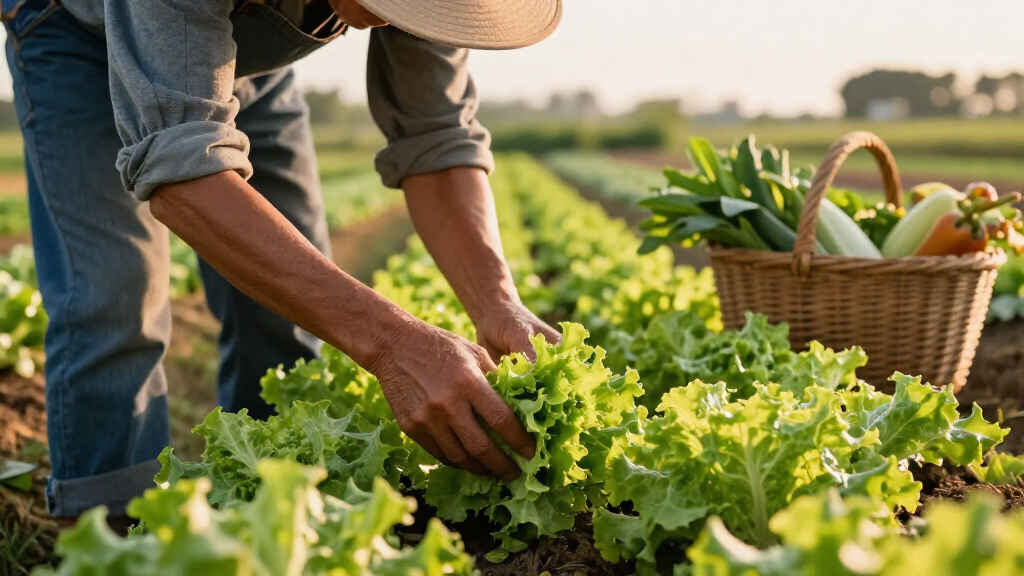
Taylor Farms, a leading produce supplier with nationwide distribution, is under investigation following a series of contamination incidents. Authorities warn that the company’s extensive reach could pose a systemic food safety risk. The investigation is ongoing, and next steps are yet to be determined.
Authorities are investigating Taylor Farms, one of the largest produce suppliers in the United States, following reports of food contamination linked to its widespread distribution network. The investigation highlights concerns over the company’s extensive reach, which could pose a systemic risk to the national food supply. This development matters because it could affect millions of consumers and exposes vulnerabilities in the food safety oversight of large-scale suppliers.
According to sources from the Food and Drug Administration (FDA), recent tests have identified contamination in several batches of leafy greens distributed by Taylor Farms. The company supplies produce to major grocery chains across more than 20 states, making this a significant public health concern. The contamination, which includes bacterial pathogens such as Salmonella and Listeria, was first detected during routine testing at distribution centers in California and Texas.
Officials confirmed that multiple recalls have been issued for products linked to the contamination. Taylor Farms has temporarily suspended some of its distribution lines and is cooperating with authorities to identify the source of the contamination. The company has stated that it is committed to resolving the issue and enhancing its safety protocols. The scope of the contamination suggests that the problem may be linked to water quality or processing procedures at certain farms or processing facilities.
While the investigation is ongoing, experts warn that the company’s extensive distribution network amplifies the potential impact. If contaminated produce has already reached consumers, it could lead to widespread illness and recalls, disrupting supply chains and eroding public trust in food safety standards.
Implications of Widespread Distribution for Food Safety
This situation underscores the risks associated with large-scale, centralized produce suppliers like Taylor Farms. Because the company distributes to numerous retail outlets across multiple states, contamination can quickly become a nationwide issue, affecting public health and consumer confidence. It also raises questions about the adequacy of current oversight and safety measures in large agricultural supply chains, especially for fresh produce that is often minimally processed.
Public health officials emphasize that rapid detection and response are critical to preventing widespread illness. The incident highlights the need for stricter monitoring, better water quality controls, and more rigorous safety protocols at all levels of the supply chain. For consumers, the event may lead to increased scrutiny of fresh produce sourcing and calls for more transparency from suppliers and regulators.
As an affiliate, we earn on qualifying purchases.
Recent Trends in Produce Safety and Supply Chain Vulnerabilities
Over the past few years, there have been multiple high-profile recalls linked to contaminated produce, often traced back to water quality issues, farm hygiene, or processing lapses. Taylor Farms, founded in 1994, has grown into one of the largest salad and vegetable suppliers in North America, with a distribution network reaching most major grocery chains. Its rapid expansion has outpaced some safety oversight, according to industry critics.
Previous incidents include smaller recalls and investigations into water sources at farms supplying Taylor Farms. The company’s scale makes it a critical node in the national produce supply chain, meaning that any contamination can have ripple effects across the industry. Regulatory agencies have been under pressure to improve oversight, but challenges remain in monitoring decentralized farms and processing facilities.
As of now, the investigation into the recent contamination is ongoing, with authorities examining water sources, processing protocols, and supply chain practices to identify vulnerabilities.
“We are actively investigating the contamination linked to Taylor Farms and are working to ensure that affected products are removed from the market.”
— FDA spokesperson
Unclear Scope and Next Steps in the Investigation
It remains unclear how widespread the contamination is within Taylor Farms’ supply chain and whether additional products or facilities are involved. Authorities have not yet disclosed the full extent of the affected products or the specific source of contamination. The timeline for a full resolution or additional recalls is also uncertain, as investigations are still underway.
Expected Actions and Future Industry Impact
Regulators are expected to conduct thorough inspections of Taylor Farms’ facilities and supply chain practices in the coming weeks. Additional recalls and safety measures may be announced as investigations progress. The incident could prompt calls for stricter oversight and reforms in produce safety standards, especially for large-scale suppliers. Consumers and retailers will likely remain cautious until the full scope of the contamination is understood and addressed.
Key Questions
What specific products are affected by the contamination?
Officials have identified several batches of leafy greens, but the full list of affected products has not yet been disclosed. The investigation is ongoing.
How many people have fallen ill due to this contamination?
There are no confirmed reports of illnesses linked directly to the contamination at this time, but health authorities are monitoring for potential cases.
Will consumers need to discard produce from Taylor Farms?
Consumers are advised to check for recalls and dispose of any affected products. The company and authorities will provide updates as the investigation continues.
What safety measures are being implemented to prevent future incidents?
Enhanced water testing, stricter hygiene protocols, and more frequent inspections are expected to be part of the new safety measures under review or implementation.
Source: hn
NFL season / tailgating Picks
team gear
As an affiliate, we earn on qualifying purchases.