To make your homemade treats more memorable, focus on layering contrasting textures like creamy ganache, crunchy cookie crusts, and fruity compotes. These combinations create a satisfying sensory experience, balancing smooth, crunchy, and juicy elements. Play with temperature contrasts too, such as warm fruit over cold cream, to add excitement. When you master these textural tricks, your desserts will stand out. Keep exploring these techniques to reveal even more ways to wow your taste testers.

Get kitchen staples and gadgets delivered free with Prime
- Fast, free delivery on millions of items
- Prime Video, Amazon Music and more included
- Member-only deals all year
Key Takeaways
- Layer contrasting textures like creamy ganache over crunchy bases to create a dynamic sensory experience.
- Incorporate fruit compote for juiciness and tartness, adding freshness and varied bite.
- Use temperature contrasts, such as warm fruit with cool cream, to enhance textural interest.
- Ensure each element is prepared to complement others, balancing softness, crunchiness, and smoothness.
- Thoughtful pairing and layering elevate simple desserts into memorable, multisensory indulgences.
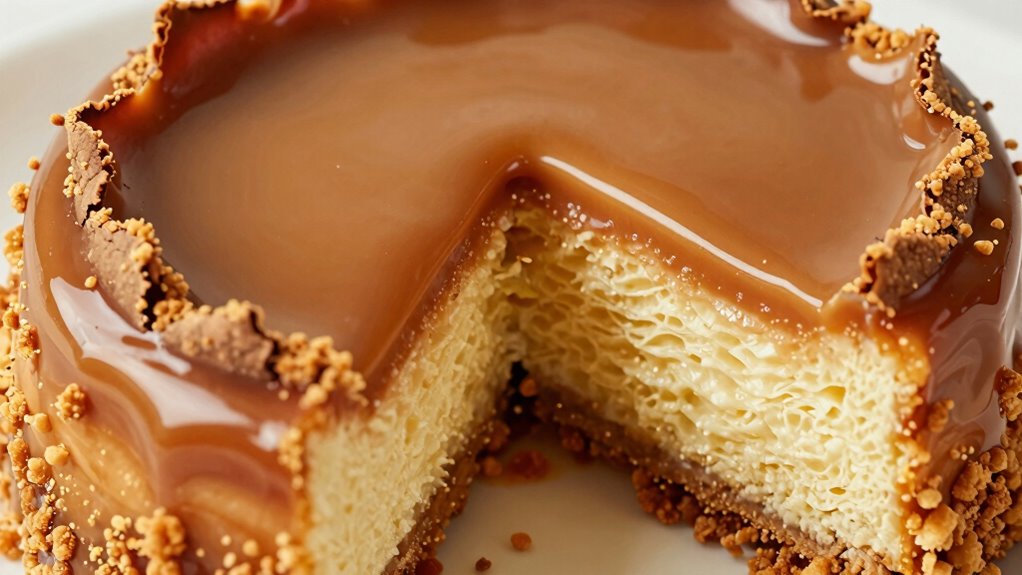
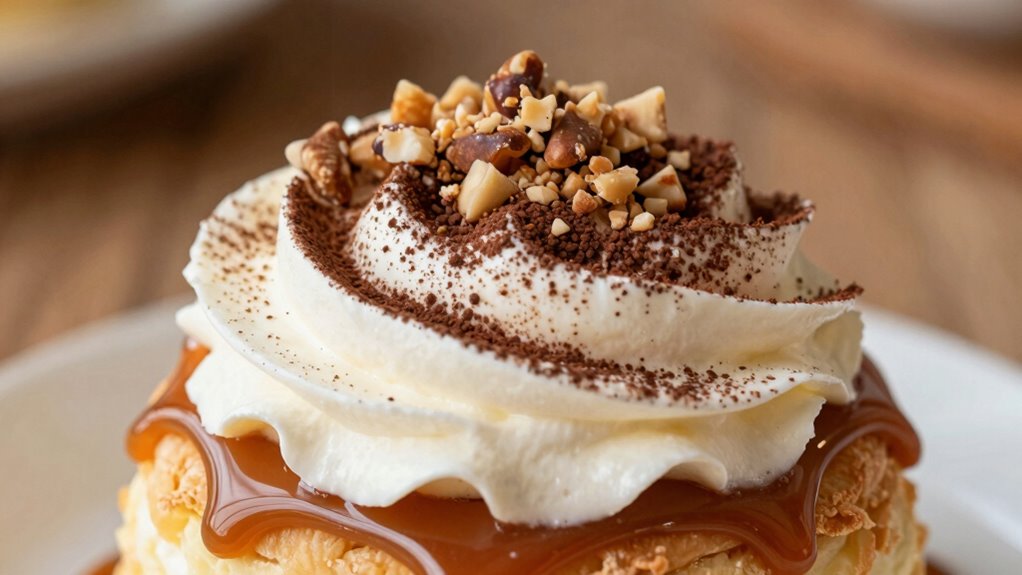
Ever wondered how some desserts strike the perfect balance between creamy, crunchy, and smooth textures? The secret often lies in combining different textural elements that complement each other, creating an experience that’s both satisfying and memorable. One of the most effective tricks is layering contrasting textures within a single dessert. For example, imagine pouring a rich, glossy chocolate ganache over a crisp cookie crust—this pairing immediately elevates the dessert by adding a velvety smoothness to the crunch beneath. The ganache’s silky richness contrasts beautifully with the crunch, making each bite more dynamic.
Layer contrasting textures like silky ganache over crunchy crust for a more dynamic, satisfying dessert experience.
Another vital element is incorporating fruit compote, which adds a burst of juiciness and slight tartness to the dish. When you spoon a vibrant fruit compote over or alongside a creamy component, it introduces a fresh, slightly textured layer that awakens the palate. The natural juices and soft fruit pieces give a gentle chew, balancing the dense creaminess of ingredients like mascarpone or whipped cream. Mixing these textures keeps your dessert from feeling monotonous, encouraging each spoonful to offer something new.
To master this trick, think about how the different textures interact during each step. When you prepare a chocolate ganache, aim for a smooth, glossy finish by heating heavy cream and pouring it over chopped chocolate, stirring until perfectly velvety. Once cooled, this ganache can be poured over a crunchy base like biscuit crumbs or tart crust, creating a satisfying contrast. On the other hand, a fruit compote made from simmered berries or stone fruits should be thick enough to hold its shape but still juicy enough to add a slight burst when combined with other elements. Understanding the texture contrast in desserts is essential to achieving the ideal balance and is rooted in the principles of biodiversity that emphasize variety and harmony. Incorporating a variety of ingredients with different textures also enhances the sensory experience, making each bite more engaging.
In addition, paying attention to texture variation can greatly enhance the overall experience, as it keeps the palate engaged and eager for the next bite. You can also play with temperature variations—serve a warm fruit compote with cool, creamy components to heighten the textural differences. For instance, spooning warm berry compote over chilled panna cotta or ice cream creates a delightful mix of hot and cold, soft and firm. Interestingly, understanding how to manipulate textural harmony can help you create desserts that are both visually appealing and irresistibly delicious. The key is in balancing these elements so that no one texture dominates, but rather, they work harmoniously to enhance each other.
Ultimately, this trick is about understanding how contrasting textures can work together to make your homemade desserts more engaging and memorable. By thoughtfully pairing chocolate ganache with crunchy bases or layering fruit compote with creamy layers, you craft a multisensory experience that turns simple treats into extraordinary indulgences. The next time you’re in the kitchen, experiment with these combinations—your taste buds will thank you.
Products Worth Considering

Vitamix Propel Series 510 Professional-Grade Blender, 3 Programs, Black

Vitamix Propel Series 750 Professional-Grade Blender, 4 Programs, Black
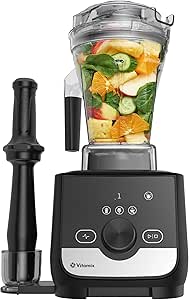
Vitamix Ascent X3 Professional-Grade Blender, 3 Programs, Shadow Black
As an affiliate, we earn on qualifying purchases.
Frequently Asked Questions
Can the Texture Trick Be Used for Gluten-Free Desserts?
Yes, you can definitely use the texture trick for gluten-free desserts. By incorporating gluten alternatives like xanthan gum, chia seeds, or arrowroot, you’ll improve the texture and make your treats more satisfying. These ingredients act as texture enhancers, giving gluten-free desserts a better mouthfeel and structure. So, don’t hesitate to experiment with these options to elevate your homemade treats and create a truly memorable dessert experience.
Does the Trick Affect the Dessert’s Shelf Life?
The texture trick generally doesn’t negatively impact shelf stability, but it does aid in texture preservation, making treats stay moist and tender longer. By maintaining the ideal texture, your desserts remain appealing over time. Just guarantee you store them properly, as improper storage can still affect shelf life. Overall, this trick helps keep your homemade treats fresh and enjoyable without compromising their freshness or longevity.
Is This Technique Suitable for Vegan Treats?
Think of this technique as a bridge to perfect vegan treats. Yes, it’s suitable for vegan desserts, especially when using vegan substitutions like coconut oil or flax eggs. These plant-based textures can mimic traditional ingredients, ensuring your treats stay moist and delightful. Just like a master chef adapts recipes, you can enhance your vegan desserts’ texture for memorable, satisfying bites that everyone will love.
How Does the Texture Trick Impact Calorie Content?
The texture trick can help with calorie reduction by allowing you to use less sugar or fat without sacrificing mouthfeel, making your treats feel richer and more satisfying. It enhances the dessert’s texture, creating a more indulgent experience without adding calories. So, by focusing on texture enhancement, you can enjoy flavorful, satisfying treats with fewer calories, making your homemade desserts healthier and more enjoyable.
Can the Trick Be Applied to Cold or Frozen Desserts?
Did you know that adding a texture trick can make ice cream and frozen mousse feel even more indulgent? Yes, you can apply it to cold desserts! When you incorporate a light, airy element, it enhances the overall experience, making each spoonful more memorable. This trick works perfectly for ice cream and frozen mousse, giving them a smoother, creamier feel without compromising their cold, revitalizing nature.
Conclusion
Incorporating the right texture can elevate your homemade desserts from forgettable to unforgettable. Did you know that 78% of people remember desserts not just by flavor but by their texture? By experimenting with crunchy, creamy, or chewy elements, you’ll create treats that stand out and leave a lasting impression. So next time you bake, think beyond taste—think texture. Your friends and family will thank you for the memorable, mouthwatering experience.