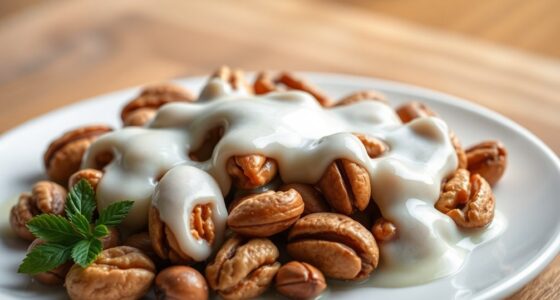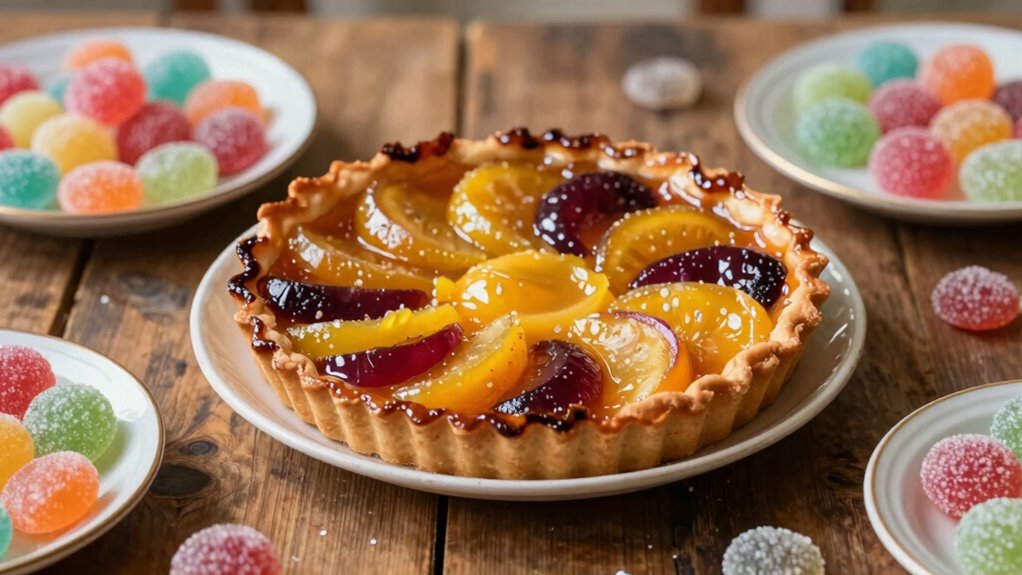

Homemade desserts often taste sweeter because people tend to add extra sugar, masking natural flavors. Overusing sugar can overshadow the subtlety of fresh ingredients, making the dessert feel overly sweet but not better in flavor. Inconsistent ingredients and techniques can also lead to uneven textures, lowering perceived quality. Commercial treats usually have a refined balance and consistent texture that homemade versions might lack. If you want to understand how to improve your desserts’ flavor and texture, keep exploring these factors.

Get kitchen staples and gadgets delivered free with Prime
- Fast, free delivery on millions of items
- Prime Video, Amazon Music and more included
- Member-only deals all year
Key Takeaways
- Homemade desserts often use extra sugar, which can mask natural flavors and make them taste artificially sweeter.
- Excessive sugar in homemade recipes can overpower subtle ingredients, reducing overall flavor complexity.
- Variability in ingredient quality and freshness affects flavor consistency, impacting taste perception.
- Texture inconsistencies in homemade desserts can detract from the overall eating experience, making them seem less refined.
- Commercial desserts are designed for precise texture and balanced sweetness, enhancing perceived quality despite less emotional appeal.

Many people believe that homemade desserts are inherently superior because they’re made with love and fresh ingredients. While that might be true on an emotional level, it doesn’t always translate into a better tasting or more satisfying treat. One reason is that homemade desserts often taste sweeter, but they don’t necessarily taste better overall. You might notice that the natural sweetness of fresh fruit or natural sweeteners is more subtle and balanced than the amplified sugar levels in many homemade recipes. When you add sugar generously to homemade desserts, it can overpower the natural flavors, making the dessert seem overly sweet without the complexity that comes with less processed ingredients. This heightened sweetness can mask the natural flavors that make desserts unique and memorable. Additionally, sugar content can significantly influence the overall flavor profile and how the dessert is perceived. Inconsistent ingredient quality can further impact the final taste, making homemade desserts sometimes less refined than their commercial counterparts. Furthermore, texture variation plays a crucial role in the eating experience, as inconsistent textures can detract from the overall satisfaction of homemade treats. For example, variations in baking techniques or ingredient freshness can lead to texture inconsistencies that affect the overall quality. Commercial desserts are often designed with precise texture in mind, using stabilizers, emulsifiers, and other additives to create a consistent mouthfeel. Homemade desserts, on the other hand, tend to vary more because they rely on the cook’s technique and ingredient quality. You may find that a homemade cake is denser or more crumbly than store-bought versions, or that a cookie lacks the uniform crunch you expect from mass-produced varieties. These texture differences can influence how satisfying a dessert feels when you eat it. Sometimes, a homemade treat might feel less refined, which can diminish the overall enjoyment despite its freshness or the effort you put into it. Understanding ingredient consistency can help bakers improve their results and achieve a more balanced flavor and texture in their homemade desserts.
As an affiliate, we earn on qualifying purchases.
Frequently Asked Questions
How Does Ingredient Quality Affect Homemade Dessert Sweetness?
When ingredient quality affects your homemade dessert, fresher ingredients make a big difference. Using fresh, high-quality ingredients enhances natural sweetness and flavor, so you need less added sugar. Freshness boosts flavor enhancement, making your desserts taste richer and more balanced. Conversely, lower-quality ingredients can result in overly sweet or bland flavors, as they lack the natural depth that quality ingredients provide. Always choose fresh, good-quality ingredients for tastier, better desserts.
Why Do Some Homemade Desserts Lack the Texture of Store-Bought Ones?
Your homemade desserts can feel like a rough sketch compared to store-bought ones because of uneven flavor balance and lack of texture contrast. Without the precise techniques and stabilizers used commercially, your treats might be too soft, crumbly, or overly dense. You’ll want to focus on balancing flavors and adding texture contrast—think crispy toppings or creamy layers—to give your desserts that professional finish and satisfying mouthfeel.
Can Using Alternative Sweeteners Change Dessert Taste and Quality?
Using sugar substitutes can change your dessert’s taste and quality, offering lower calories or dietary benefits. However, they often lack the natural sweetness of sugar, which can affect flavor enhancement. Some substitutes may introduce a different aftertaste or alter texture, so it’s essential to choose the right one for your recipe. Experimenting with small amounts helps you find the best balance, ensuring your dessert remains tasty and satisfying.
How Does Baking Time Influence Dessert Flavor and Sweetness?
Baking time directly influences your dessert’s flavor enhancement and texture development. If you bake for too long, the sweetness might become muted and the texture dry or crumbly, reducing overall appeal. Conversely, shorter baking times can preserve fresh flavors and create a moist, tender texture. Adjusting baking time helps balance sweetness, enhances flavors, and guarantees your dessert develops the ideal texture, making it tastier and more enjoyable.
What Role Does Presentation Play in Perceived Dessert Quality?
Imagine a dessert sitting on a plate with vibrant color contrast and elegant plate aesthetics—suddenly, it looks more tempting. Presentation plays a huge role in perceived dessert quality; eye-catching plating can elevate even simple treats. When you focus on appealing arrangements and contrasting colors, you’re more likely to enjoy the flavor and sweetness. Your brain associates beautiful presentation with better taste, enhancing your overall dessert experience.
Conclusion
So, next time you bake at home, remember that while your desserts might seem sweeter, they may not always taste better. It’s like chasing a shiny illusion—sometimes, the real magic lies in balance and restraint. Don’t let the allure of extra sugar fool you; true flavor comes from harmony, not just sweetness. After all, isn’t it the subtlety that makes a dessert truly memorable? Choose wisely, and savor the genuine delight beyond just sugar’s siren call.
Halloween Picks
halloween
As an affiliate, we earn on qualifying purchases.