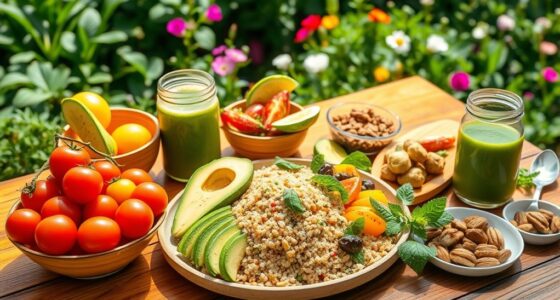

Your gut and brain are connected through a complex gut-brain axis, which means what you eat can directly influence your mood and mental health. Consuming processed foods, sugar, and unhealthy fats disrupts your gut bacteria, leading to inflammation and leaky gut, which can cause anxiety and depression. On the other hand, eating fiber, fermented foods, and probiotics supports beneficial bacteria that produce mood-enhancing chemicals. Keep exploring how your diet impacts your mind and body for better well-being.

Get kitchen staples and gadgets delivered free — and shop member deals
- Fast, free delivery on millions of items
- Access to Prime Big Deal Days deals on October 6–7
- Prime Video, Amazon Music and more included
Key Takeaways
- Food influences gut bacteria balance, impacting the production of mood-related neurotransmitters like serotonin.
- Diets high in processed foods and sugar promote inflammation and leaky gut, worsening mental health symptoms.
- Consuming fiber, fruits, vegetables, and fermented foods supports beneficial bacteria and mental well-being.
- Probiotics and prebiotics help restore gut flora, reducing inflammation and improving mood regulation.
- Supporting gut health through diet and stress management enhances overall mental health and emotional stability.

Have you ever wondered how your gut and brain communicate? It’s a fascinating connection that influences your mood, thoughts, and overall mental health. Your gut isn’t just about digestion; it’s a complex system filled with trillions of bacteria that can impact your brain in surprising ways.
Your gut and brain communicate in ways that influence your mood, thoughts, and mental health.
This communication happens through the gut-brain axis, a bidirectional pathway involving nerves, hormones, and immune signals. When your gut bacteria are balanced, they produce neurotransmitters like serotonin, which plays a role in regulating your mood. In fact, about 90% of serotonin is made in your gut, not your brain. That means what you eat can directly influence how you feel emotionally and mentally.
When you consume a diet rich in processed foods, sugar, and unhealthy fats, it can disrupt this delicate balance. These foods often promote the growth of harmful bacteria, leading to inflammation and increased intestinal permeability, sometimes called “leaky gut.”
This condition allows toxins and inflammatory molecules to enter your bloodstream, which can reach your brain and contribute to feelings of anxiety, depression, or mental fog. Conversely, eating a diet high in fiber, fruits, vegetables, and fermented foods feeds your beneficial gut bacteria. These healthy bacteria help produce mood-enhancing neurotransmitters and reduce inflammation, supporting better mental health.
Probiotics and prebiotics play a crucial role in maintaining this balance. Probiotics are live beneficial bacteria found in foods like yogurt, kefir, and sauerkraut, which can replenish your gut flora. Prebiotics, found in foods such as garlic, onions, and bananas, serve as fuel for these good bacteria.
When you incorporate these into your diet, you’re actively supporting the production of mood-stabilizing chemicals and strengthening the gut barrier. This, in turn, reduces the risk of mental health issues linked to gut dysbiosis.
Your mental health isn’t just affected by what’s happening inside your brain; it’s deeply intertwined with your gut health. Stress and anxiety can also upset your gut bacteria, creating a cycle where poor gut health worsens your mental state, and vice versa.
To break this cycle, focus on nourishing your gut with wholesome, minimally processed foods, managing stress through activities like meditation or exercise, and getting enough sleep. Recognizing that your diet influences your mental well-being empowers you to make choices that support a healthier gut and a happier mind.
The gut-brain connection isn’t just science — it’s a reminder that what you put inside your body truly matters. Supporting this connection with gut health strategies can lead to improvements in both your physical and mental well-being.
As an affiliate, we earn on qualifying purchases.
Frequently Asked Questions
Can Specific Foods Instantly Improve Mental Health?
You might wonder if certain foods can instantly boost your mental health. While some foods, like dark chocolate or foods rich in omega-3s, can improve mood quickly, they don’t provide a magic fix.
Your mental health benefits from consistent, balanced eating habits over time. So, while a particular snack might lift your mood briefly, lasting mental health improvements come from a sustained, healthy diet and lifestyle choices.
How Long Does It Take to See Gut-Related Mood Changes?
Wondering how long it takes to notice mood shifts from gut health? Surprisingly, it varies — some feel a difference within a few days, while others may wait weeks.
Your gut’s response depends on factors like diet consistency, stress levels, and individual biology. So, don’t expect instant miracles, but stay patient and committed; your gut’s mood makeover is a gradual process worth the wait.
Are Supplements Effective for Gut-Brain Health?
Supplements can be effective for supporting your gut-brain health, but their success varies based on the type and your individual needs.
You might notice improvements in mood and digestion if you choose high-quality probiotics, prebiotics, or specific vitamins.
However, supplements work best when combined with a balanced diet and healthy lifestyle.
Always consult a healthcare professional before starting new supplements to guarantee they suit your specific gut health needs.
Does Gut Health Influence Sleep Quality?
They say “you are what you eat,” and this holds true for sleep quality. Your gut health directly influences how well you rest because a balanced gut supports the production of sleep-regulating chemicals like serotonin.
When your gut is out of whack, you might struggle with insomnia or restless nights.
Can Gut Issues Cause Mental Health Disorders?
Gut issues can definitely influence mental health disorders. When your gut isn’t functioning well, it can lead to inflammation and imbalance of gut bacteria, which affects your brain’s chemistry.
This disruption may cause symptoms like anxiety, depression, or mood swings. By addressing gut health through diet, probiotics, or medical treatment, you might see improvements in your mental well-being.
Conclusion
Think of your gut as the conductor of your mental symphony. When you nourish it with healthy foods, you’re tuning the strings for a harmonious mind. But neglecting it can throw the entire orchestra off balance, causing mental fog and mood swings. Remember, what you feed your gut shapes the melody of your mental well-being. So, choose your ingredients wisely—your brain will thank you with clarity and calm, like a peaceful river flowing smoothly.
Fall Picks
fall essentials
As an affiliate, we earn on qualifying purchases.