

To rescue a bland dinner, start by adding a splash of broth to boost savory depth and moisture. Finish with a bit of melted or browned butter to create a rich, silky texture. Gradually stir in a small amount of acid, like lemon juice or vinegar, tasting as you go to brighten the dish. Mastering these simple steps helps transform dull meals into flavorful favorites—keep exploring to learn more about balancing these ingredients perfectly.

Get kitchen staples and gadgets delivered free with Prime
- Fast, free delivery on millions of items
- Prime Video, Amazon Music and more included
- Member-only deals all year
Key Takeaways
- Add broth to simmer or cook dishes, boosting umami and moisture for more flavor.
- Finish with melted or browned butter to enrich texture and introduce subtle or nutty notes.
- Gradually incorporate acid like lemon juice or vinegar, tasting frequently to brighten flavors.
- Use broth, butter, and acid in combination to create a balanced, flavorful profile.
- Experiment with different broth types and acid amounts to tailor the rescue to your dish.
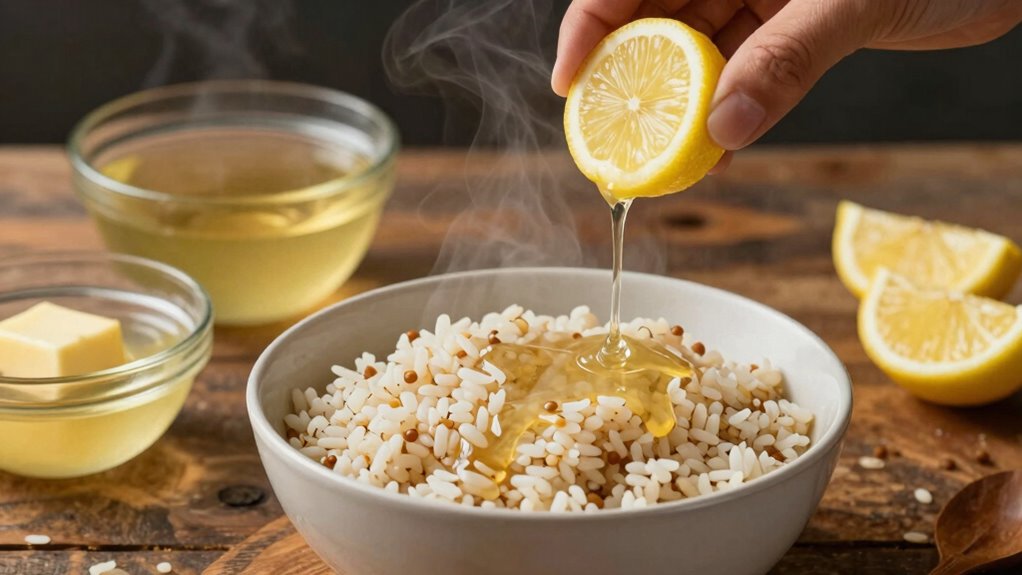
When a dinner turns out bland, it can feel like your efforts have gone to waste, but there’s a simple fix: using broth, butter, and acid to boost flavor. These ingredients are powerful tools in your seasoning techniques arsenal, capable of transforming a dull dish into something vibrant and satisfying. Instead of overloading with salt or complex spices, you can achieve flavor enhancement with just a few well-chosen additions. Broth adds depth and richness, providing a savory backbone that can bring life back into a dish. It’s especially useful when your dish lacks seasoning or has been overcooked, as it infuses moisture and umami, making every bite more flavorful. Incorporating umami-rich ingredients like broth can further enhance the savory qualities of your dish. Additionally, understanding how balance of flavors works can help you create more harmonious and appealing meals. You might also consider experimenting with different types of broth, such as vegetable, chicken, or beef, to tailor the flavor profile to your dish. Butter is another essential element for flavor enhancement. Not only does it add a silky texture, but it also carries a subtle richness that rounds out flavors beautifully. When you finish cooking, melting a bit of butter into your dish can elevate the overall taste, making it feel more indulgent and well-rounded. You can also use browned butter for a nuttier, more complex flavor. Incorporating butter at the right moment—like just before serving—ensures you maximize its flavor-boosting potential without losing its delicate qualities. It works especially well in sauces, risottos, and sautéed dishes, where it helps meld ingredients together seamlessly. Using flavor-balancing techniques such as adding a touch of acid can help you achieve a more harmonious taste. Acid is often overlooked but plays an essential role in seasoning techniques by balancing out flavors. A splash of vinegar, lemon juice, or lime can brighten up the dish, cutting through any dullness and adding a fresh, lively note. Acid helps to wake up muted flavors and can make a huge difference, especially in creamy or rich dishes that might feel heavy or flat. When you notice your dish lacking vibrancy, start by adding a small amount of acid, tasting as you go, until you reach the desired brightness. Incorporating broth, butter, and acid together can create a harmonious flavor profile that transforms your bland dinner into a memorable meal. Mastering these simple ingredients allows you to quickly salvage an uninspired dish, giving you control over flavor enhancement without complicated seasonings. With practice, you’ll develop an intuitive sense of how to balance these elements and turn average meals into flavorful successes every time.
As an affiliate, we earn on qualifying purchases.
Frequently Asked Questions
Can I Use Vegetable Broth Instead of Chicken or Beef?
Yes, you can use vegetable broth instead of chicken or beef. Vegetable broth provides a good base and adds flavor, especially if you need a vegetarian option. To enhance the flavor further, consider adding a bit of butter or an acid like lemon juice or vinegar. These ingredients will boost the overall taste and prevent your dish from tasting bland, making your meal more satisfying and flavorful.
What Types of Acid Work Best for Balancing Flavors?
Did you know that acidity balancing can boost flavor perception by up to 20%? For flavor enhancement, lemon juice, vinegar, and lime juice work best because their bright, sharp notes cut through blandness. Tomato-based acids also add depth. Use small amounts first to avoid overpowering, then adjust gradually. These acids help brighten dishes and restore balance, making your meals more vibrant and satisfying.
How Much Butter Should I Add to a Bland Dish?
You should add about one to two tablespoons of butter per serving to enhance flavor and create a richer, smoother taste. Butter acts as a flavor enhancer and can serve as an ingredient substitution for missing richness. Start with a small amount, taste, and gradually add more until the dish reaches your desired depth. This simple addition can transform blandness into a satisfying, well-rounded flavor.
Can These Techniques Be Used for Desserts?
Yes, you can use broth, butter, and acid for dessert flavor enhancement, but with a different approach. Incorporate a splash of acid like lemon juice or vinegar to add brightness and balance sweet acidity, enhancing flavors without overpowering. Butter enriches textures, making desserts feel luxurious. Experiment carefully, as these techniques can elevate simple desserts, balancing sweetness and acidity, and adding depth to flavors.
How Do I Prevent Over-Seasoning When Rescuing a Bland Meal?
Think of seasoning control like a Jedi’s lightsaber—use it wisely. To prevent over-seasoning, add small amounts gradually, tasting as you go. Focus on flavor balancing by adjusting acidity, salt, and fat to enhance the dish without overpowering it. Keep a light hand; it’s easier to add more than to fix a dish that’s too salty or spicy. Trust your palate and remember, less is often more.
Conclusion
Next time your dinner feels bland, remember that a splash of broth, a pat of butter, or a squeeze of acid can transform the dish. These simple ingredients boost flavor without extra salt or calories, making your meals more satisfying. Did you know chefs often use these tricks to elevate dishes quickly? Just a small adjustment can make a big difference—so don’t be afraid to experiment and turn a boring meal into something delicious!
NFL season / tailgating Picks
team gear
As an affiliate, we earn on qualifying purchases.