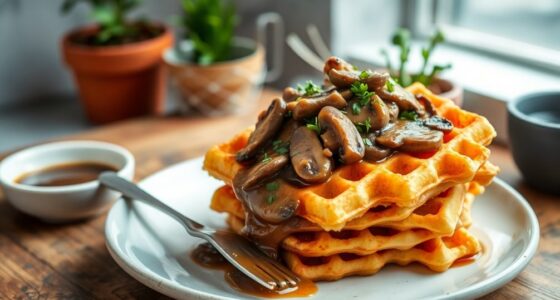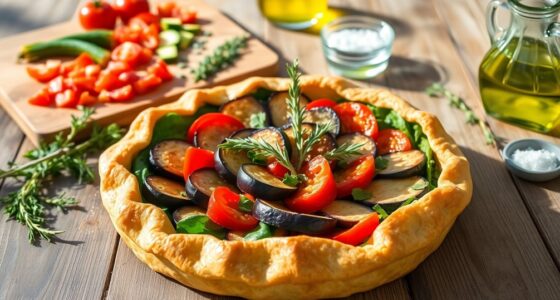
To maximize sauces across multiple dinners, prepare a few versatile options like tangy vinaigrettes, savory soy-based sauces, and creamy herb dressings in advance. Use these to marinate meats, dress salads, finish roasted vegetables, or dip snacks. Store them properly in airtight containers, label dates, and freeze small portions if needed. This approach streamlines meal prep, adds flavor effortlessly, and helps you enjoy healthful, delicious dinners without starting from scratch each time. Keep exploring for more tips.

Get kitchen staples and gadgets delivered free with Prime
- Fast, free delivery on millions of items
- Prime Video, Amazon Music and more included
- Member-only deals all year
Key Takeaways
- Prepare versatile core sauces like vinaigrettes, soy-based, and herb sauces in advance for quick meal assembly.
- Use sauces as marinades to flavor multiple proteins and vegetables, saving time and enhancing consistency.
- Store sauces properly in airtight containers, labeling with dates to ensure freshness and safety across meals.
- Incorporate sauces into different cuisines and dishes to maximize their use and keep meals varied.
- Freeze small portions of sauces in ice cube trays for long-term storage and easy access during busy weeknights.

When planning multiple dinners, having versatile sauces ready can save you time and add flavor to every dish. The key is choosing sauces that can be used across various cuisines and dishes, making your meal prep more efficient. Start by preparing a few core sauces that serve as marinade options, dressings, or finishing touches. For instance, a tangy vinaigrette, a savory soy-based sauce, and a creamy herb sauce can blend seamlessly into salads, grilled meats, or roasted vegetables. These versatile options allow you to streamline your cooking process and ensure each meal has a flavorful boost. Proper storage tips are essential to keep your sauces fresh and safe. Store your sauces in airtight containers, preferably glass jars or BPA-free plastic bottles, to maintain freshness and prevent contamination. Label each container clearly with the date and contents, so you can easily identify what’s available and avoid waste. Many sauces, like vinaigrettes or herb sauces, keep well in the fridge for up to a week. Thicker sauces or those containing dairy, such as creamy herb dressings, should be used within a few days to prevent spoilage. For longer storage, consider freezing small portions in ice cube trays—this allows you to defrost only what you need for a particular meal, reducing waste and keeping flavors intact. Incorporating meal prep strategies ensures you always have a variety of sauces on hand for quick and tasty meals. Additionally, using proper storage methods is crucial to preserve the quality and safety of your sauces over time. Implementing food safety practices helps prevent contamination and spoilage, ensuring your sauces remain fresh longer. To maximize the benefits of your stored sauces, it’s also helpful to keep track of expiration dates, which can prevent the use of spoiled ingredients. Being mindful of storage durations can help you plan your meals more effectively and minimize waste. Using these stored sauces across multiple dinners adds a layer of convenience and flavor versatility. For example, a simple marinade of soy, garlic, and ginger can be used for chicken one night and then drizzled over grilled vegetables the next. A spicy tomato-based sauce can be spooned over pasta, poured over roasted fish, or used as a dip for bread. Having a variety of sauces on hand means you can quickly elevate any dish without starting from scratch each time. Plus, if you prepare your sauces in advance, you’ll find it easier to stick to healthy options and avoid last-minute takeout. Incorporating these strategies into your meal planning helps you use your ingredients more efficiently and reduces kitchen stress. By selecting adaptable marinade options and following storage tips, you’ll have a well-stocked sauce arsenal that makes every dinner more flavorful and effortless. This approach not only saves you time but also encourages creative cooking, allowing you to enjoy a variety of delicious meals without the hassle of constant preparation.
glass airtight sauce storage containers
As an affiliate, we earn on qualifying purchases.
As an affiliate, we earn on qualifying purchases.
Frequently Asked Questions
How Can I Store Sauces to Keep Them Fresh Longer?
To keep your sauces fresh longer, store them in airtight storage containers to prevent spoilage and contamination. Make sure to refrigerate sauces promptly after use, following proper refrigeration tips like keeping the temperature below 40°F. Label containers with dates so you know when to use them, and avoid leaving sauces out at room temperature for extended periods. Proper storage helps preserve flavor and prevents bacterial growth.
Are There Any Sauces Suitable for Both Vegetarian and Non-Vegetarian Dishes?
Imagine sauces as versatile storytellers, weaving through your meals with grace. Many meat-compatible sauces, like creamy mushroom or tangy barbecue, double as vegetarian alternatives when you swap out meats for hearty vegetables or plant-based proteins. These sauces act as chameleons, blending seamlessly into both vegetarian and non-vegetarian dishes, making your culinary journey flexible and flavorful. With these, you can craft dishes that satisfy everyone at the table.
What Are Some Quick Ways to Thicken Sauce Consistency?
To quickly thicken your sauce, you can use a cornstarch slurry—mix equal parts cornstarch and cold water, then stir it into your simmering sauce until it thickens. Alternatively, the reduction method works well; simmer the sauce uncovered to evaporate excess liquid, intensifying the flavors and naturally thickening it. Both methods are efficient, allowing you to adjust thickness quickly without compromising taste.
Can Sauces Be Customized for Different Dietary Restrictions?
Of course, sauces can be customized for dietary restrictions—who would’ve thought? You can easily make gluten-free sauces with tamari or rice vinegar, and vegan-friendly options with nut butters or coconut milk. It’s surprisingly simple to adapt flavors while keeping everyone happy. So, whether you’re catering to gluten sensitivities or vegan diets, you can enjoy versatile, delicious sauces that fit your needs without sacrificing taste or creativity.
How Do I Reheat Sauces Without Losing Flavor or Texture?
To reheat sauces without losing flavor or texture, do it gently over low heat, stirring constantly. This prevents sauce emulsification from breaking down and preserves smoothness. Keep the sauce covered to maintain moisture and allow flavor infusion to continue evenly. Avoid boiling, which can cause separation or thickening. These steps help retain the sauce’s original richness, ensuring it stays delicious and fresh for your next dish.
Conclusion
By mastering versatile sauces, you’ll enhance every meal, elevate every flavor, and simplify your cooking routine. Whether drizzling, dipping, or mixing, these sauces become your secret weapon. They bring variety to your dinners, consistency to your kitchen, and creativity to your palate. So, embrace the art of using sauces thoughtfully, and watch your meals transform. Because when you make sauces work for you, every dinner becomes a delicious opportunity, every bite a celebration, every meal a masterpiece.
Halloween Picks
halloween
As an affiliate, we earn on qualifying purchases.