

Immerse yourself in Italy’s lively aperitivo culture, where spritzes like Aperol or Campari reflect regional flair, and the Negroni Sbagliato offers a lighter twist on a classic cocktail. These drinks aren’t just for quenching thirst—they symbolize social bonding and tradition passed down through generations. From Venice to Turin, each area adds its unique touch, blending history and local ingredients. Keep exploring to discover the stories behind these iconic drinks and how they continue to evolve today.

Get kitchen staples and gadgets delivered free with Prime
- Fast, free delivery on millions of items
- Prime Video, Amazon Music and more included
- Member-only deals all year
Key Takeaways
- The spritz originated in Northern Italy, influenced by Austrian customs, to dilute stronger wines, and varies regionally with ingredients like Aperol or Campari.
- Negroni Sbagliato was accidentally created when sparkling wine replaced gin, symbolizing Italy’s innovation within traditional aperitivo drinks.
- Aperitivo culture promotes social bonding, relaxation, and regional identity through shared drinks and local snacks in Italian communities.
- Different regions add unique twists to aperitivo, reflecting local ingredients, climate, and culinary traditions, especially in Venice and Turin.
- Modern practices emphasize sustainability and eco-friendly ingredients, ensuring the tradition evolves while respecting its historical roots.
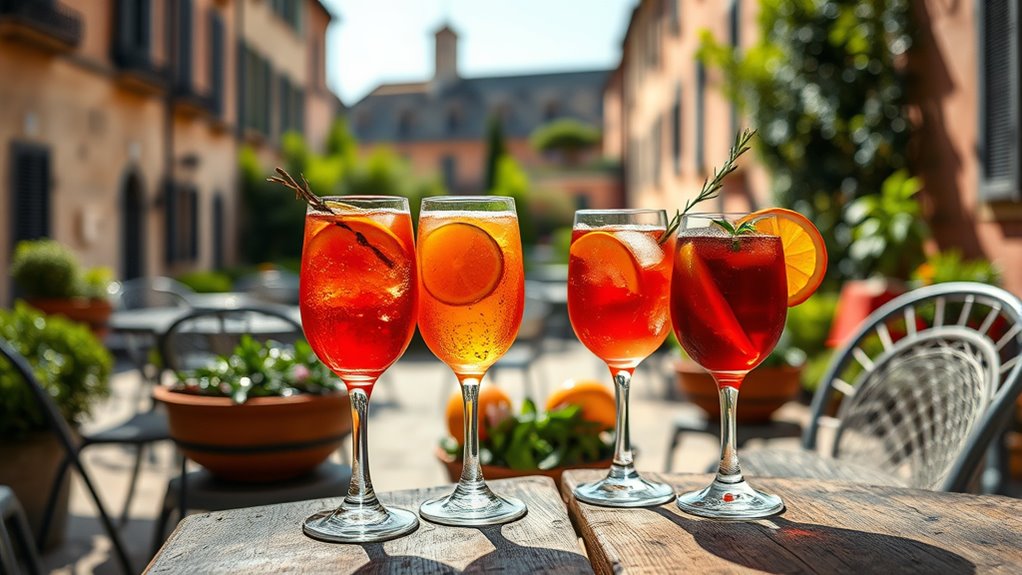
Have you ever wondered why aperitivo culture is such an essential part of social life in many countries? It’s more than just a pre-meal drink; it’s a tradition rooted in history and social customs that bring people together. In Italy, the tradition of aperitivo dates back to the 18th century, when aristocrats and merchants would gather in cafes and piazzas to enjoy a light drink before dinner. Over time, this practice became embedded in Italian culture, evolving into a cherished ritual that signifies relaxation and social connection. Each region in Italy adds its own touch to the tradition, resulting in regional variations that reflect local tastes and history. For example, in Venice, spritzes made with Aperol or Campari are popular, while in Turin, the Negroni Sbagliato—a twist on the classic Negroni—has gained popularity. These regional variations highlight how local ingredients, climate, and history influence the drinks served during aperitivo hour.
When you participate in Italian aperitivo culture, you’re joining a centuries-old tradition that celebrates conviviality and the art of savoring life’s simple pleasures. The history behind these drinks isn’t just about flavor; it’s about the stories and customs passed down through generations. The spritz, originating from the Austrian Empire’s influence in Northern Italy, was created as a way to dilute stronger wines and make them more approachable. Meanwhile, the Negroni Sbagliato, meaning “mistaken” Negroni, was born when a bartender accidentally used sparkling wine instead of gin, creating a lighter, more invigorating alternative. These drinks are now iconic, representing Italy’s ability to adapt and innovate while respecting tradition. Eco-friendly crafting practices are increasingly being incorporated into the production of some aperitivo ingredients, reflecting a growing awareness of sustainability in the industry.
As you explore the world of aperitivo, you’ll notice how regional variations influence the drink choices and accompanying snacks. In the north, you might find more bitter and aromatic options like the Negroni Sbagliato, paired with local delicacies such as olives, cheese, and cured meats. In the south, lighter, citrus-infused spritzes often accompany seafood and fresh vegetables. This diversity reflects Italy’s rich culinary and cultural landscape, where each area adds its flavor to the collective tradition. Participating in aperitivo, thus, isn’t just about drinking—it’s about immersing yourself in a cultural experience that changes from place to place, rooted in history and shaped by regional identity.
As an affiliate, we earn on qualifying purchases.
Frequently Asked Questions
What Is the History Behind the Spritz Origin?
You might find it interesting that the spritz originated in the 19th century, when Austrian soldiers in Veneto diluted local wines with a splash of soda to suit their taste. Over time, it became a popular regional beverage, with variations like the Aperol Spritz and Campari Spritz emerging. Today, enjoying a spritz involves following aperitivo etiquette, while regional differences add unique twists to this revitalizing drink.
How Do Regional Aperitivo Customs Differ Across Italy?
Imagine strolling into a Venetian bar and enjoying an ombra with local Prosecco, while in Milan, you might sip a Negroni Sbagliato at a sleek lounge. Regional aperitivo customs vary across Italy; in Tuscany, you’ll find hearty antipasti paired with Chianti at traditional osterias, while in Rome, lighter snacks with Frascati dominate local venues. You’ll notice regional wine varieties and local aperitivo venues shaping each area’s unique social scene.
What Are Essential Ingredients for Authentic Aperitivo Snacks?
To make authentic aperitivo snacks, you need quality ingredients like cured meats, olives, and fresh bread. Pair cheeses such as Parmigiano-Reggiano or soft cheeses with savory crackers for variety. Focus on snack presentation by arranging everything attractively on a platter, inviting guests to indulge. Remember, simple yet flavorful ingredients, combined with appealing presentation, create the perfect accompaniment to your spritz or Negroni Sbagliato.
When Is the Best Time to Enjoy an Aperitivo?
You should enjoy an aperitivo during the charming shift from work chaos to evening calm, typically between 6 and 8 pm. Picture yourself caught in Italy’s timeless timing traditions, sipping a spritz as local daily routines wind down. This magical window isn’t just about drinks; it’s about merging your day’s hustle with Italy’s relaxed elegance, turning ordinary moments into a delightful prelude to dinner.
Are There Traditional Non-Alcoholic Aperitivo Options?
Yes, there are traditional non-alcoholic aperitivo options you can enjoy. You might try non-alcoholic beverages like sparkling water with a splash of citrus, herbal teas, or freshly squeezed fruit juices. These aperitivo alternatives offer a invigorating way to participate in the Italian tradition without alcohol. Next time, explore these options to savor the social and flavorful experience of an aperitivo, even when you prefer to avoid alcohol.
Conclusion
Now that you’ve embraced Italy’s aperitivo culture, you see it’s more than just drinks—it’s about savoring the moment and connecting with others. Whether you’re enjoying a spritz or a Negroni Sbagliato, you’re truly immersing yourself in a tradition that’s as much about community as it is about cocktails. Remember, it’s not just what you sip, but how you enjoy it that counts—sometimes, the best things in life come in small, flavorful moments.
Fall Picks
fall essentials
As an affiliate, we earn on qualifying purchases.