
TL;DR
VinePair published a map and guide to 15 regional bar snacks, linking dishes and small bites to local drinking traditions. The supplied source excerpt describes several European examples, including Italian stuzzichini, British Scotch eggs and pork scratchings, German pretzels, and Spanish gildas and croquetas.
VinePair has published a guide to 15 regional bar snacks, mapping small dishes served alongside drinks and describing their links to local food and drinking traditions. The supplied excerpt details snacks from Italy, the United Kingdom, Germany, and Spain; it does not include the full list of 15.

Get kitchen staples and gadgets delivered free with Prime
- Fast, free delivery on millions of items
- Prime Video, Amazon Music and more included
- Member-only deals all year
VinePair presents bar snacks as more than a generic accompaniment to alcohol, saying their ingredients and forms reflect local customs. Its Italian example is stuzzichini, small savory bites served during aperitivo hour. The guide traces the tradition to Turin and the 18th-century rise of vermouth. Typical offerings may include taralli crackers, olives, peanuts, or potato chips.
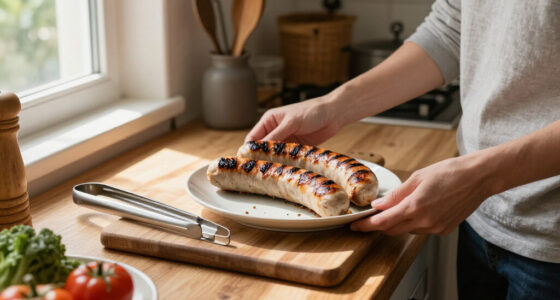
For Britain, VinePair describes Scotch eggs—boiled eggs wrapped in sausage meat, breaded, and fried—and pork scratchings, salted, fried pig skin. The guide says food historians generally place the egg dish’s invention in England in the 18th century, despite its name, while accounts connecting it to Indian Nargisi kofta are presented as theories rather than settled history. VinePair traces scratchings to 19th-century working-class communities that used more parts of an animal for food.
The excerpt also covers German soft pretzels, which VinePair associates with beer drinking and a history reaching back to the Middle Ages, and two Spanish tapas-bar staples. The guide attributes gildas—skewers of olives, pickled peppers, and anchovies—to a customer at San Sebastián’s Bar Casa Vallés in 1946. It says croquetas, which may contain ham, chicken, cod, or cheese, have French antecedents but became especially popular in Spain after being adopted there in the 19th century.
How Snacks Reflect Drinking Customs
VinePair’s guide argues that bar food can offer a compact view of regional ingredients and social habits. It describes Italian aperitivo snacks as food designed for a pre-dinner drink, contrasts them with hearty fried foods associated with British pubs, and presents Spanish skewered seafood and small fried bites as part of a tapas culture built around sharing and variety.
For readers, the map connects familiar bar orders to their reported local histories. VinePair also describes how dishes travel: croquetas have French roots but became strongly associated with Spanish bars, while Scotch eggs have sometimes been linked to culinary exchange between Britain and India. The guide offers cultural context, not evidence that every bar in a country serves the same snacks.
Products Worth Considering

Ninja CREAMi Scoop & Swirl 13-in-1 Ice Cream and Soft Serve Maker, NC701

Cuisinart MultiClad Pro 12-Piece Stainless Steel Cookware Set

Weber Spirit E-425 4-Burner Propane Gas Grill, Black
As an affiliate, we earn on qualifying purchases.
From Aperitivo to Tapas Bars
VinePair frames these foods within the longstanding practice of serving salty or savory bites with drinks. The guide says the broader tradition dates back centuries and notes that common accompaniments such as nuts, chips, and olives remain popular. Its mapped selection focuses on dishes it describes as more regionally distinctive and the stories attached to them.
The excerpt gives origin accounts with differing levels of certainty. VinePair presents the 1946 introduction of gildas at Bar Casa Vallés as a specific account, but qualifies its discussion of Scotch eggs and pretzels with competing or debated historical explanations. These distinctions matter: a dish’s present-day association with a place does not always establish where or exactly when it began.
What the Excerpt Leaves Out
The supplied excerpt from VinePair’s article ends during its entry on Spanish croquetas, so it does not identify all 15 snacks on the map or provide the full article’s explanations for them. The publication date is also not included. As a result, this report cannot verify the complete geographic range or details beyond the excerpt.
Some origin stories remain qualified in VinePair’s account. The guide says historians generally believe Scotch eggs were invented in England, while it describes the proposed connection to Nargisi kofta as a theory. It also attributes the invention of the pretzel shape to an account some historians support, rather than presenting it as definitive. The supplied excerpt does not include independent historical documentation for these accounts.
The Full Map Adds More Regions
Readers seeking the complete list can consult VinePair’s original map and article, the source for the reported selection. The supplied material does not state whether VinePair plans to update the map or describes any follow-up reporting.
Until the complete source is available, only the snacks and history included in VinePair’s excerpt can be summarized here. The guide’s wider geographic coverage, publication timing, and any additional sourcing remain unverified in the materials provided.
Key Questions
What did VinePair publish?
VinePair published a map and guide to 15 regional bar snacks, describing the foods and their connections to local drinking customs. The supplied excerpt contains only part of the guide.
Which snacks are named in the excerpt?
The excerpt from VinePair’s guide names Italian stuzzichini, British Scotch eggs and pork scratchings, German pretzels, and Spanish gildas and croquetas.
Where did gildas originate, according to the guide?
VinePair attributes gildas to Bar Casa Vallés in San Sebastián, where a regular customer reportedly skewered olives, pickled peppers, and anchovies together in 1946.
Are Scotch eggs definitively Scottish in origin?
No. VinePair’s guide says their name suggests Scotland, but food historians generally believe they were invented in England in the 18th century. It presents a proposed connection to Indian Nargisi kofta as a theory.
Does the supplied material list all 15 snacks?
No. The supplied excerpt from VinePair’s article stops during the Spanish croquetas entry, so the remaining snacks and the complete map cannot be confirmed from the material provided.
Source: vinepair.com