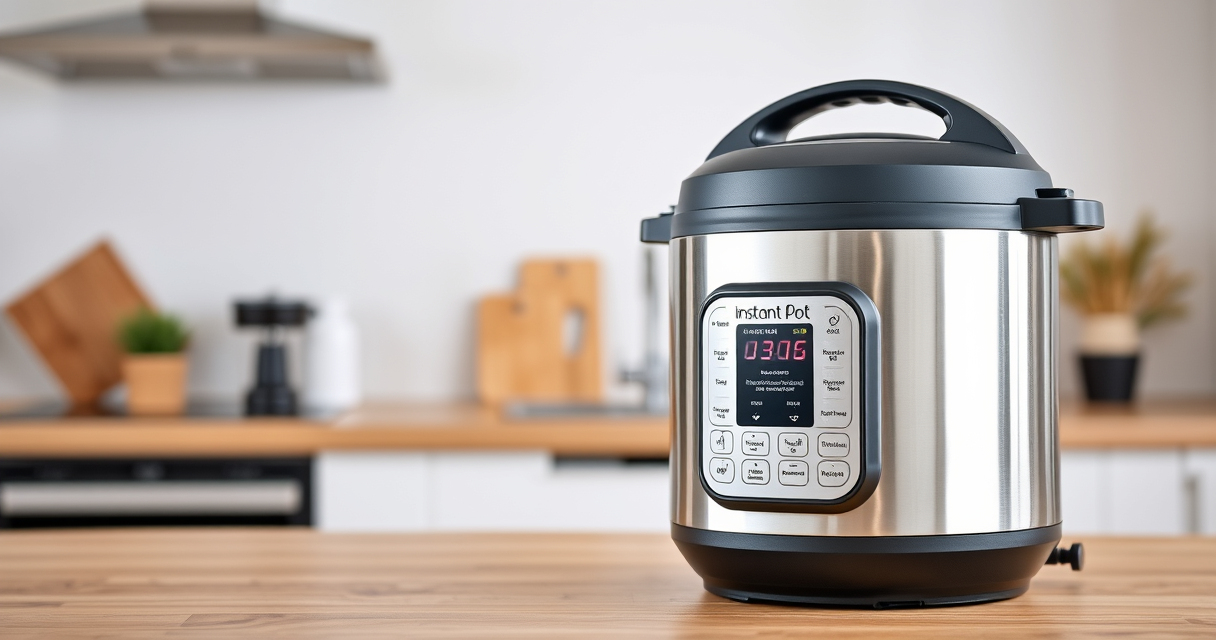

Maintaining your Instant Pot ensures it operates safely, efficiently, and lasts for years to come. Regular cleaning and troubleshooting can prevent common issues like sealing ring leaks, pressure build-up problems, or malfunctioning buttons. Whether you’re a new user or seasoned chef, knowing how to care for your multi-cooker is essential for optimal performance.

Get kitchen staples and gadgets delivered free — and shop member deals
- Fast, free delivery on millions of items
- Access to Prime Big Deal Days deals on October 6–7
- Prime Video, Amazon Music and more included
This guide walks you through the practical steps of maintaining your Instant Pot, troubleshooting common problems, and tips to extend its lifespan—all while emphasizing safety and ease of use.
Key Takeaways
| Regular Cleaning | Keeps your Instant Pot hygienic and functioning smoothly. |
| Sealing Ring Care | Ensures proper pressure and prevents leaks. |
| Component Checks | Identifies wear and tear before issues escalate. |
| Troubleshooting Tips | Quick fixes for common problems to save time. |
| Safe Use Practices | Maintains safety and prolongs device longevity. |
Step 1: Regular Cleaning of the Instant Pot
- Unplug your Instant Pot and allow it to cool completely before cleaning.
- Remove the inner pot, sealing ring, and accessories such as the steamer basket or trivet.
- Wash the inner pot and accessories with warm, soapy water. Use a non-abrasive sponge to avoid scratches.
- Clean the sealing ring thoroughly with warm soapy water, paying attention to the groove where it sits. Remove any food residue or mold if present.
- Wipe the lid, the pressure release valve, and the anti-block shield with a damp cloth. Use a soft brush or toothpick to clear any debris from the pressure valve and vent openings.
- Dry all parts completely before reassembling to prevent mold growth.
Regular cleaning prevents food buildup, maintains proper sealing, and ensures safe operation.
Step 2: Checking and Replacing the Sealing Ring
The sealing ring is crucial for maintaining pressure during cooking. Over time, it can become worn, cracked, or odor-absorbing, affecting performance.
- Inspect the sealing ring for cracks, tears, or persistent odors. If you notice any damage or bad smells that won’t go away after cleaning, replacement is recommended.
- Remove the sealing ring by gently pulling it out of the lid groove.
- Replace it with a new one — you can use a genuine Instant Pot sealing ring designed for 5 or 6-quart models, or a compatible silicone gasket for extended durability.
- Ensure the new ring sits firmly in the groove and is properly aligned before reassembling the lid.
A good sealing ring prevents leaks, maintains optimal pressure, and ensures your meals are cooked evenly.
Step 3: Maintaining the Lid and Pressure Release Components
Proper maintenance of the lid and pressure release components ensures safety and prevents malfunctions.
- Regularly check the silicone sealing ring on the lid for wear or damage; replace as needed.
- Clean the steam release valve by removing it and rinsing it under warm water. Use a toothpick or small brush to clear blockages.
- Inspect the anti-block shield, which prevents food from blocking the pressure release valve, and clean it thoroughly.
- Ensure the lid’s locking mechanism moves freely and securely locks in place.
Keeping these parts clean and functional prevents pressure build-up issues and potential safety hazards.
Step 4: Troubleshooting Common Instant Pot Issues
- Instant Pot Won’t Turn On: Check the power connection, ensure the inner pot is properly seated, and verify that the lid is locked correctly.
- Leaking Sealing Ring or Lid: Inspect the sealing ring and lid for cracks or improper placement. Replace damaged parts.
- Erratic Pressure or Error Codes: Reset the device by unplugging, then replugging. Check for debris in the pressure valve or sealing ring.
- Food Not Cooking Properly: Ensure the lid is sealed correctly, and the pressure release valve isn’t blocked.
Refer to your Instant Pot’s user manual for specific error codes and troubleshooting steps.
Tips and Warnings for Safe Maintenance
- Always unplug the Instant Pot before cleaning or inspecting internal parts.
- Avoid using abrasive scrubbers on non-stick surfaces or silicone parts.
- Replace worn sealing rings and valves promptly to maintain safety and performance.
- Never force components into place; ensure they are correctly aligned and seated.
- Regularly check for recalls or safety notices from the manufacturer.
Prioritize safety by following these simple maintenance tips and avoiding shortcuts that could compromise the device’s safe operation.
The Products in This Guide

Instant Pot 4QT RIO Mini 7-in-1 Multi-Cooker
- ✔ Dimensions: 8 x 10 x 8 inches
- ✔ Power: 1000W
- ✔ Weight: 9.5 lbs

AOZITA Steamer Basket
- ✔ Material: Stainless steel
- ✔ Size: Fits 6/8 qt
- ✔ Care: Dishwasher safe
Instant Pot 4QT RIO Mini 7-in-1 Multi-Cooker
The Instant Pot 4QT RIO Mini 7-in-1 Multi-Cooker offers versatile cooking functions in a compact design, perfect for small households or limited kitchen space. Regular maintenance ensures it continues to perform at its best, with simple cleaning and part checks.
Pros:
- Space-saving design
- Multiple cooking functions
- Easy to clean
- Good for small families
Cons:
- Limited capacity for large meals
- Requires regular sealing ring maintenance
- Slightly more frequent cleaning needed
Best for: Small families, singles, students, and those with limited kitchen space
Not ideal for: Large families or those needing big batch cooking
Bottom line: A compact, versatile multi-cooker perfect for small kitchens and quick meals.
AOZITA Steamer Basket
Enhance your Instant Pot experience with the AOZITA Steamer Basket. Its two-tier design allows for steaming multiple ingredients simultaneously, making meal prep faster and more efficient.
Pros:
- Two-tier stackable design
- Stainless steel mesh
- Multi-purpose use
- Dishwasher safe
Cons:
- Requires extra space in the pot
- Silicone handle may wear over time
- Not suitable for very large items
Best for: Steaming vegetables, seafood, eggs, and more
Not ideal for: Heavy-duty roasting or baking
Bottom line: A versatile steamer basket that maximizes your Instant Pot’s utility.
Frequently Asked Questions
How often should I replace the sealing ring?
It’s recommended to replace the sealing ring every 12-18 months, or sooner if it shows cracks, tears, or persistent bad odors.
Can I clean the lid and sealing components in the dishwasher?
Yes, most parts including the lid, sealing ring, and accessories are dishwasher safe. Always check your specific model’s instructions.
What should I do if my Instant Pot is leaking during pressure cooking?
Check the sealing ring for damage, ensure it is seated properly, and verify that the lid is locked correctly. Replace damaged parts if necessary.
How can I troubleshoot error codes?
Unplug the device, check for blockages or debris in the pressure valve and sealing ring, then reset. Consult the user manual for specific error codes.
Is it safe to use a replacement sealing ring or gasket?
Yes, only use manufacturer-approved replacement parts to ensure safety and proper functioning of your Instant Pot.
Keep Your Instant Pot in Top Shape for Delicious Meals
Regular maintenance of your Instant Pot not only prolongs its lifespan but also ensures safe, efficient cooking every time. Simple steps like cleaning the lid, inspecting seals, and replacing worn parts can prevent common issues and keep your device performing at its best. With proper care, your Instant Pot will continue to be a reliable kitchen companion for years to come.
Affiliate disclosure: As an Amazon Associate we earn from qualifying purchases. Prices and availability are accurate as of the time of publishing.
Halloween Picks
halloween
As an affiliate, we earn on qualifying purchases.