TL;DR

Get kitchen staples and gadgets delivered free with Prime
- Fast, free delivery on millions of items
- Prime Video, Amazon Music and more included
- Member-only deals all year
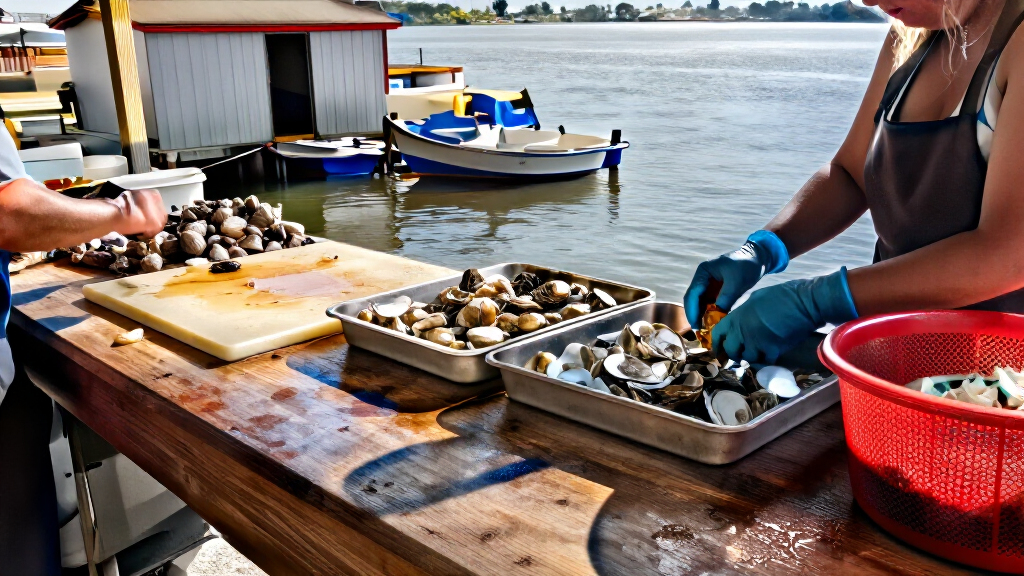
Virginia closed a section of the Little Wicomico River to oyster and clam harvesting on Oct. 9 after officials linked shellfish from the waters to a Pennsylvania Salmonella outbreak involving at least five people. The closure runs through Nov. 7; crabs and finfish may still be harvested, and shellfish from the area are being tested.
Virginia health officials closed part of the Little Wicomico River to oyster and clam harvesting on Oct. 9 after shellfish from the waters were epidemiologically linked to a Salmonella outbreak in Pennsylvania that has sickened at least five people, according to the Virginia Department of Health. The closure, issued just over a week after the state’s public oyster season opened, is scheduled to remain in effect through Nov. 7.
The department’s Emergency Condemnation Order #010A covers downstream waters of the river in Northumberland County, Virginia, within boundaries set by specified coordinates. The source report did not include those coordinates. The order bars shellfish harvesting in the affected zone while officials investigate and test shellfish, and the closure applies to oysters and clams.
Virginia officials said the closure was made out of an abundance of caution and in line with recommendations from the U.S. Food and Drug Administration. The department said shellfish from the closure area are being actively tested. It also clarified that crabs and finfish may still be harvested there and that the order does not affect drinking water.
A second emergency shellfish closure was issued on Oct. 9 for parts of Lower Machodoc Creek in nearby Westmoreland County. That separate order, #005-083B, temporarily prohibits harvesting in the specified waters through Oct. 29. In either condemned area, harvesting, storing or transporting shellfish is illegal without a special permit from the Virginia Marine Resources Commission.
Harvest Ban During Oyster Season
The Little Wicomico closure began only eight days after Virginia’s public oyster season opened on Oct. 1, interrupting harvest in the affected waters at the start of the season. The restriction is also a direct public-health measure: shellfish from the area have been linked to illnesses reported in another state, and testing is continuing.
The restriction is limited to the designated waters and shellfish. It does not shut down all harvesting in the region: crabs and finfish remain permitted in the Little Wicomico closure area, under the information provided by state officials. The separate Lower Machodoc Creek order affects another area and has a different end date.
For anyone who may have eaten clams from the affected area, the source report advises seeking medical care if symptoms develop and telling a clinician about the possible Salmonella exposure. Diarrhea, abdominal cramps and fever can begin 12 to 72 hours after eating contaminated food. The report says otherwise healthy adults often recover within four to seven days, though severe diarrhea can require hospitalization; older adults, young children, pregnant people and those with weakened immune systems face greater risk of serious illness.
As an affiliate, we earn on qualifying purchases.
Virginia’s 2026 Shellfish Season
Virginia’s 2026–2027 public oyster harvest season opened on Oct. 1, according to notices from the Virginia Marine Resources Commission. The Little Wicomico order followed on Oct. 9, after officials connected the Pennsylvania illnesses to oysters harvested from the river. The available report does not specify when the implicated shellfish were harvested or eaten.
Virginia’s public oyster grounds produce about 250,000 bushels a year, according to the source report. The Marine Resources Commission says it spends between $4 million and $10 million annually on reef maintenance and shell planting. Those figures describe the wider public fishery; the closure itself concerns only the designated waters, not the state’s entire oyster harvest.
Salmonella-contaminated food may look, smell and taste normal, so appearance is not a reliable way to judge whether shellfish are safe. The outbreak connection and closure do not, by themselves, establish how the shellfish became contaminated or whether other products or locations are involved.
“The closure was made “out of an abundance of caution.””
— Virginia Department of Health
Outbreak Details Still Developing
The source report says at least five people in Pennsylvania have been sickened, but it does not provide their ages, locations, illness-onset dates, hospitalization status or current condition. It also does not give the total number of people who may have been exposed, identify the specific harvest dates or distribution channels, or report a confirmed laboratory match between the shellfish and patient samples.
Officials have linked the illnesses to oysters harvested from the river through epidemiological information, but the precise contamination source and route remain unclear in the available account. The results of ongoing shellfish testing and any further changes to the affected area or order are not reported. The Lower Machodoc Creek closure is a separate order; the source material does not establish a connection between it and the Pennsylvania outbreak.
Testing and Closure Review
The Little Wicomico harvesting ban is scheduled to continue through Nov. 7, while shellfish from the affected waters are tested. The Lower Machodoc Creek restriction is scheduled to run through Oct. 29. The source material does not say whether either order could be lifted early or extended, so harvesters and buyers should check current notices from Virginia health and marine-resource authorities before relying on those dates.
Anyone who ate clams from the affected area and develops symptoms should contact a health professional and report the possible exposure. Because Salmonella can be difficult to distinguish from other illnesses, clinicians may need specific testing to diagnose an infection, according to the source report. Further information about the outbreak, test findings and any additional restrictions has not yet been provided.
Key Questions
Which waters are closed to oyster and clam harvesting?
The closure covers specified downstream waters of the Little Wicomico River in Northumberland County, Virginia. The source report does not reproduce the order’s boundary coordinates; harvesters should consult the official order before entering or taking shellfish from the area.
How long will the Little Wicomico closure last?
The closure is scheduled to remain in force through Nov. 7, 2026. The available report does not say whether officials might change the date based on test results.
Can people still harvest crabs or finfish there?
Yes. Virginia health officials said crabs and finfish may still be harvested from the affected Little Wicomico waters during the shellfish closure. The ban applies to shellfish, including oysters and clams.
What symptoms can Salmonella cause?
Symptoms can include diarrhea, abdominal cramps and fever, often beginning 12 to 72 hours after eating contaminated food. Anyone who ate clams from the affected area and becomes ill should seek medical advice and mention the possible exposure.
Source: rss
Halloween Picks
halloween
As an affiliate, we earn on qualifying purchases.