
TL;DR

Get kitchen staples and gadgets delivered free with Prime
- Fast, free delivery on millions of items
- Prime Video, Amazon Music and more included
- Member-only deals all year
A Good Housekeeping health report featuring physician guidance says facial swelling can result from fluid leaking into tissue, with inflammation, infection and allergies among common causes. Seek emergency care for swelling that affects breathing or the throat, and contact a doctor if swelling persists beyond 48 hours, worsens or has no clear cause.
A Good Housekeeping health report featuring physicians outlines common causes of facial swelling and when to seek care, warning that breathing or swallowing trouble, throat or tongue swelling, and other serious symptoms may require emergency attention. The article says inflammation, infections and allergies are among likely causes, but swelling can also have dental, skin-related or other explanations.
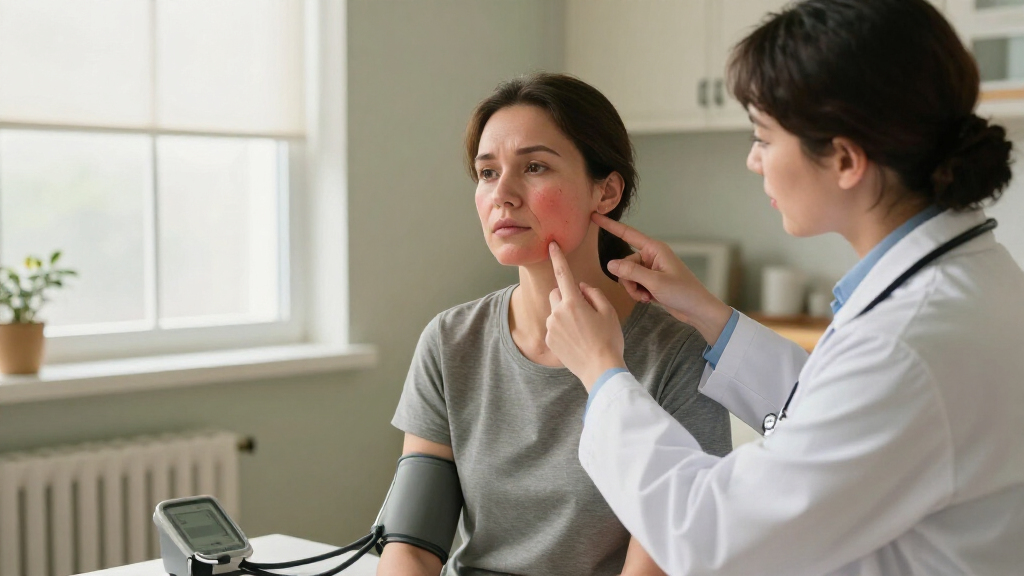
Facial swelling occurs when fluid builds up in the tissues. Osteopathic physician Josie Conte, who is board-certified in family medicine and neuromusculoskeletal medicine, told Good Housekeeping that swelling may be more noticeable in the face because it has a rich blood supply and relatively thin skin. She explained that small blood vessels can become leaky, allowing fluid to move into nearby tissue.
The report identifies inflammation, infection and allergies as common triggers, citing Mount Sinai. It also notes that crying and alcohol use can contribute to temporary puffiness. Swelling may be mild or severe and can sometimes extend beyond the face, according to the material. The report does not provide a full catalogue of causes or a diagnosis for any individual reader.
For swelling that does not appear to be an emergency, Conte says some people may find relief from a cold compress, hydration and sleeping with the head elevated. An over-the-counter antihistamine may help in certain situations, but the article cautions that treatment depends on the cause. Readers should not treat these measures as a substitute for medical advice when symptoms are severe, worsening or unexplained.
Recognizing Facial Swelling Emergencies
Swelling can be alarming because it may reflect a range of conditions, from temporary puffiness to an allergic reaction or infection requiring prompt care. The practical distinction in the report is between mild swelling without urgent symptoms and signs that could involve the airway or a serious infection.
The article advises emergency care for swelling of the throat, tongue or lips, a tight or itchy throat, difficulty breathing, a racing heart, dizziness, or a fever of 103°F or higher. It also says sudden swelling accompanied by breathing or swallowing difficulty, pain or numbness, fever, or inability to move part of the face should prompt immediate medical attention. These symptoms are not presented as a diagnosis; they are warning signs that need professional assessment.
Products Worth Considering

KitchenAid Artisan 5-Quart Tilt-Head Stand Mixer, KSM150PS, Almond Cream

KitchenAid Artisan 5-Qt Tilt-Head Stand Mixer – Dried Rose (KSM150PS)

KitchenAid Classic Series 4.5-Quart Tilt-Head Stand Mixer, Onyx Black
As an affiliate, we earn on qualifying purchases.
How Clinicians Assess the Cause
There is no single treatment for facial swelling because the underlying cause matters. The report says clinicians will work to identify what is driving the swelling and decide whether diagnostic tests are needed. A clinician may ask when the swelling began, how long it has lasted, whether treatment has helped, and whether the person encountered a possible allergen.
Other relevant details include current medications, recent injury or surgery, and any accompanying symptoms. The source says a doctor or dentist may be involved depending on the suspected cause. It also notes that over-the-counter antihistamines, pain relievers or hydrocortisone cream might provide relief in some situations, but does not recommend a specific product or dose for all cases.
Conte advises contacting a doctor if the cause is unclear, the swelling lasts longer than 48 hours or it worsens at any point. That timeframe is guidance quoted in the report, not a guarantee that waiting is safe: emergency symptoms call for immediate care.
“The area of the face has a high level of blood supply, and the skin tends to be thin.”
— Josie Conte, osteopathic physician, as quoted by Good Housekeeping
When the Cause Is Still Unknown
The source material does not establish what is causing swelling in any particular case, and its list of causes is not exhaustive. It also does not set out a complete diagnostic or treatment protocol. The severity of symptoms, medical history, medications and timing can affect what care is appropriate, so unexplained or changing swelling needs individual assessment.
The article advises immediate emergency care for serious warning signs and says to contact a doctor when swelling persists beyond 48 hours or worsens. It does not specify how quickly every non-emergency case should be evaluated, or which tests a clinician may order; those decisions depend on the person’s symptoms and examination.
When to Contact a Clinician
Monitor the swelling and note when it started, whether it is getting worse, and any associated symptoms or recent exposures. Contact a doctor if you cannot identify a cause, symptoms persist for more than 48 hours, or swelling worsens. Be ready to describe medicines taken, possible allergen contact, recent injury or surgery, and whether any treatment has helped.
Do not wait for a routine appointment if there is difficulty breathing or swallowing, swelling in the throat, tongue or lips, dizziness, a racing heart, or another severe symptom described in the report. Call emergency services or go to an emergency department for a life-threatening emergency.
Key Questions
What commonly causes facial swelling?
The report identifies inflammation, infections and allergies as common causes. Temporary puffiness may also follow crying or alcohol use. A clinician can help determine the cause in an individual case.
When should facial swelling be treated as an emergency?
Seek emergency care for difficulty breathing or swallowing, swelling of the throat, tongue or lips, a tight or itchy throat, dizziness, a racing heart, or a fever of 103°F or higher, according to the report. Call emergency services for a life-threatening emergency.
When should I call a doctor if the swelling is not severe?
Contact a doctor if the cause is unclear, swelling lasts longer than 48 hours or gets worse. Do not wait if serious symptoms develop.
What can I try at home?
For swelling that does not seem urgent, the report lists a cold compress, staying hydrated and sleeping upright as possible measures. An over-the-counter antihistamine may help in some situations, but the right response depends on the cause; seek medical advice if symptoms persist or worsen.
Source: goodhousekeeping.com