TL;DR

Get kitchen staples and gadgets delivered free — and shop member deals
- Fast, free delivery on millions of items
- Access to Prime Big Deal Days deals on October 6–7
- Prime Video, Amazon Music and more included
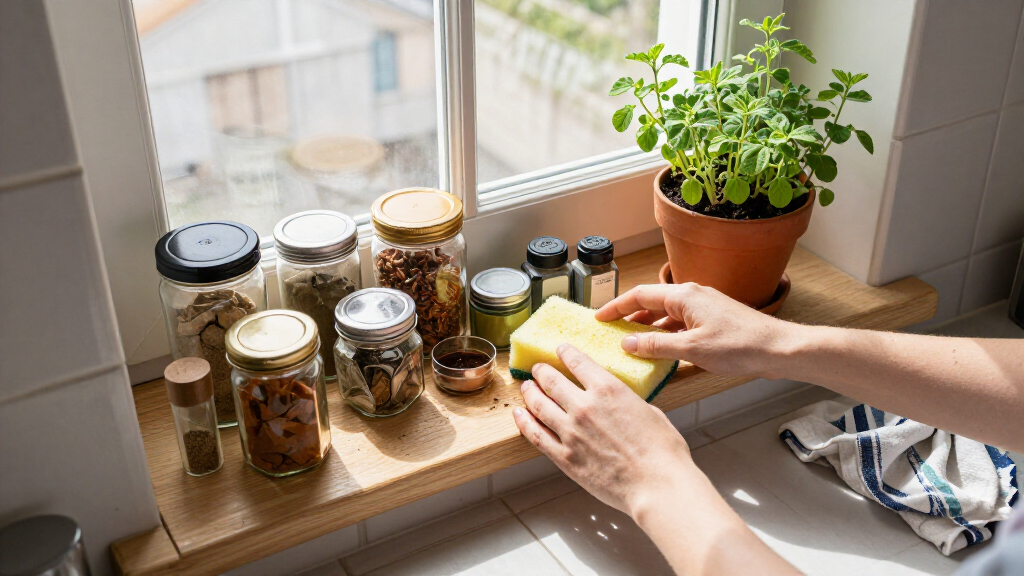
A Good Housekeeping report outlines nine types of belongings professional organizers advise keeping off sunny or exposed windowsills. Their concerns include heat damage, fading, moisture and food spoilage; the risk depends on the window and local conditions.
A Good Housekeeping report cites professional organizers advising people to keep batteries, power banks, photographs, watches, candles, chocolate, books, perishables and artwork off windowsills exposed to direct sunlight, heat or moisture. The guidance matters because a ledge that seems convenient for storage or display can expose belongings to conditions that may damage them, though the specific risk depends on the window and its surroundings.
Olivia Parks, a professional organizer and co-owner of The Organizer Directory, says batteries and power banks should not sit in places that receive direct sunlight or heat. She recommends storing batteries in a kitchen junk drawer, utility closet or with other electronics. Power banks can go in a drawer, nightstand or another accessible place away from direct sun. The report does not specify battery types or give temperature thresholds.
Parks also points to possible damage to photographs and watches. Repeated sunlight can fade photographs, she says, and sun and heat may fade or damage some watch materials over time. Rain entering through an open window could also harm a watch. She suggests albums or shaded display spots for photos, and a watch box, jewelry organizer, closet or drawer for watches.
Heat can soften or melt candles and chocolate left on a sunny ledge, Parks says. Wendy Trunz, partner and head organizer at Jane’s Addiction Organization, warns that books and artwork may be damaged by sun or moisture. For books, she describes fading, discoloration, brittle paper and pages sticking together. Trunz also says food, oils and jarred goods can melt, spoil or break down faster in heat and sunlight; cold near a window may also affect some perishables. She recommends keeping food in a temperature-controlled place such as a refrigerator, cupboard or pantry.
How Window Exposure Can Damage Belongings
The advice addresses an everyday storage habit: using a windowsill as a handy shelf or display area. Exposure varies by home. A ledge in direct afternoon sun may become warmer than one that is shaded, while an open or poorly sealed window can bring rain or moisture. The report describes potential mechanisms of damage, but it does not quantify how quickly any item might be affected or suggest that every windowsill poses the same risk.
Moving vulnerable items to a drawer, shelf or shaded display area can reduce exposure while keeping them accessible. The possible consequences differ by item: food may spoil, wax may soften, and photos, paper or some watch materials may fade or deteriorate. For readers deciding what to move first, the report’s central distinction is whether a ledge receives sunlight, heat or moisture.
The Items Organizers Flagged
The report groups its recommendations around nine categories rather than a single type of hazard. Batteries and power banks are discussed in relation to heat and direct sunlight; photos and watches in relation to fading or material damage. Candles and chocolate are singled out because warmth can soften or melt them.
Books and artwork face potential harm from sunlight and moisture, while food and perishables may be affected by heat or cold near a window. The suggested alternatives are ordinary storage locations: drawers, closets, shelves, albums, watch boxes and temperature-controlled food storage. The source does not compare products, test household conditions or offer a schedule for checking stored items.
““Over time, the paper can become discolored, brittle, or even destroyed.””
— Wendy Trunz, partner and head organizer at Jane’s Addiction Organization
Risks Depend on Each Window
The report does not provide measurements for window temperatures, identify a safe duration of exposure or quantify how often the listed damage occurs. It also does not distinguish among battery chemistries, book materials, artwork types or food products beyond noting that some materials and perishables may be vulnerable. Conditions differ by window, including the amount of direct sun, indoor temperature, moisture and exposure to rain. The advice is attributed to organizers; the source does not describe laboratory testing or a formal survey.
Check Sunny and Exposed Ledges
The report gives no announced follow-up or next publication milestone. For readers applying its advice, the practical next step is to check which windowsills receive direct sun or may be exposed to rain or moisture, then move vulnerable items to the suggested alternatives. Food and perishables should be kept in storage suited to the item, including refrigeration where needed. The report does not offer product-specific storage instructions, so packaging directions remain relevant for individual foods and batteries.
Key Questions
Which items does the report advise moving from a windowsill?
It names batteries, power banks, photographs, watches, candles, chocolate, books, perishables and artwork, especially when the ledge gets direct sun, heat or moisture.
Why are batteries and power banks mentioned?
Organizer Olivia Parks says direct sunlight or heat can make the area hot and may damage a power bank over time. She recommends an accessible drawer or another location away from direct sun. The report does not give temperature limits.
Can books and artwork be damaged near a window?
Wendy Trunz says sunlight and moisture may fade or damage books and artwork. She describes possible discoloration and brittle paper in books, and warns that moisture or leaks can harm artwork.
Where should food kept near a window go?
Trunz recommends a temperature-controlled place, such as a refrigerator, cupboard or pantry shelf, as appropriate for the food. The report says heat or cold near a window may affect perishables but does not give food-specific storage times.
Source: rss
Fall Picks
fall essentials
As an affiliate, we earn on qualifying purchases.