
TL;DR

Get kitchen staples and gadgets delivered free with Prime
- Fast, free delivery on millions of items
- Prime Video, Amazon Music and more included
- Member-only deals all year
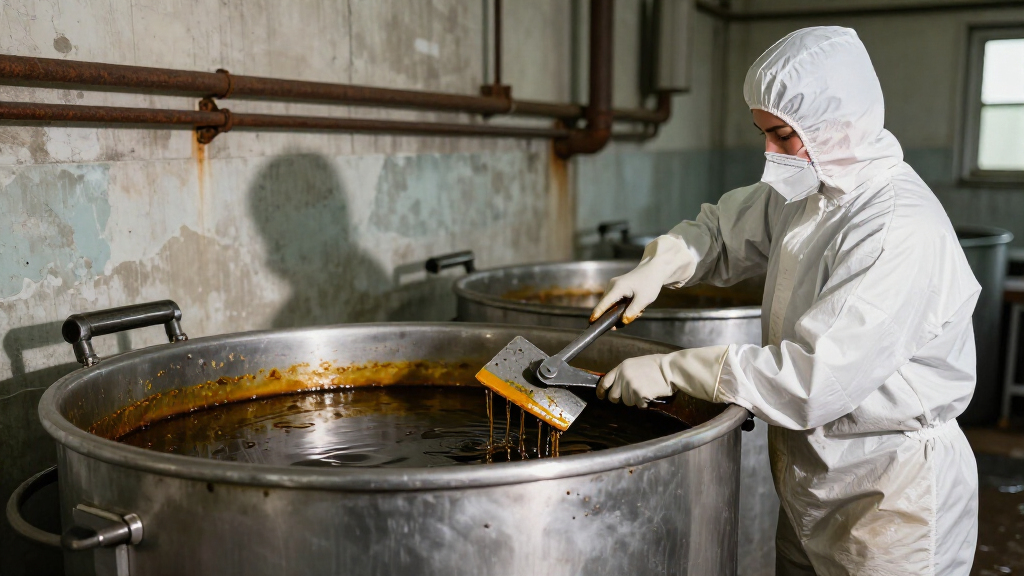
Decades-old fish sauce stored at an abandoned factory in Canada is now being removed. Authorities confirmed the cleanup effort started recently to address environmental and health concerns. The operation highlights ongoing safety issues at the site.
Authorities in Canada have begun removing decades-old fish sauce stored at an abandoned factory, marking a significant step in addressing environmental and safety concerns at the site.
The factory, located in Ontario, has been abandoned for years, with reports indicating that large quantities of fish sauce, a product used in cooking, had been stored there for decades. Local officials confirmed that the cleanup operation started in early April 2024, aiming to safely remove the substance and mitigate potential environmental hazards.
Environmental safety agencies stated that the fish sauce, which had been left exposed in the factory’s storage tanks, posed risks of contamination to nearby soil and water sources. The process involves specialized disposal procedures to handle the product, which is known to spoil and emit strong odors over time.
Local authorities emphasized that the removal is part of broader efforts to secure the site and prevent any health issues among nearby residents or wildlife. The factory has been vacant since the late 20th century, with no active operations ongoing.
Environmental and Public Health Risks Addressed
The removal of the fish sauce is significant because it reduces potential environmental contamination and health risks associated with long-term storage of perishable food products in abandoned industrial sites. This operation highlights ongoing concerns about safety standards at long-dormant facilities and the importance of environmental remediation.
As an affiliate, we earn on qualifying purchases.
History of the Abandoned Fish Sauce Factory
The factory, built in the 1970s, was once a major producer of fish sauce, a staple ingredient in Asian cuisine. It ceased operations in the late 1990s due to economic shifts and regulatory challenges. Over the years, the site fell into disrepair, with reports emerging of stored products, including large quantities of fish sauce, left in tanks and storage areas.
Local residents and environmental groups raised concerns about potential leaks and odors, prompting inspections and eventual cleanup efforts. The site has remained inactive, with no redevelopment plans announced as of now.
Authorities confirmed that the fish sauce, which had been stored in large drums and tanks, was not properly contained, leading to fears of environmental contamination and safety hazards.
Remaining Environmental and Safety Concerns
It is not yet clear whether all of the stored fish sauce has been safely removed or if further contamination issues will emerge during or after the cleanup process. Details about the total quantity remaining or potential long-term environmental impacts are still under assessment.
Next Steps in Site Remediation and Monitoring
After the initial removal phase, authorities plan to conduct environmental testing around the site to assess any residual contamination. Further cleanup or containment measures may follow depending on test results. Local officials also aim to develop plans for site redevelopment or secure long-term monitoring to prevent future hazards.
Key Questions
Why was the fish sauce stored in the factory for so long?
The factory ceased operations in the late 1990s, and the fish sauce was likely stored as inventory or waste, left behind when the site was abandoned.
Is the fish sauce dangerous to the environment or public health?
Prolonged exposure and decomposition of fish sauce can lead to environmental contamination and foul odors, which pose risks to nearby residents and wildlife. Authorities are taking steps to mitigate these risks.
What are the plans for the factory site after removal?
There are no official redevelopment plans announced yet. Authorities intend to monitor the site and evaluate potential future uses once cleanup is complete.
Could there be more hazardous materials at the site?
It is possible, but current assessments focus on the known stored fish sauce. Further investigations may be needed to identify other potential hazards.
When will the cleanup be fully completed?
The initial removal phase is ongoing, with environmental testing scheduled afterward. Complete remediation may take several more weeks or months, depending on findings.
Source: hn
Halloween Picks
halloween
As an affiliate, we earn on qualifying purchases.