

To make zero-waste lunches, use every part of your vegetables and meat. Slice broccoli stems instead of discarding them, blend carrot tops into pesto, and save vegetable scraps to make stock. Shred leftover chicken for salads or wraps, and turn bones into flavorful broth. Incorporate versatile ingredients to prevent leftovers and reduce waste. By adopting these tips, you can create sustainable, delicious meals while helping the environment—continue to explore more tips to maximize your zero-waste efforts.

Get kitchen staples and gadgets delivered free with Prime
- Fast, free delivery on millions of items
- Prime Video, Amazon Music and more included
- Member-only deals all year
Key Takeaways
- Utilize vegetable stems, tops, and peels in soups, pestos, or stir-fries to maximize edible parts and reduce waste.
- Incorporate leftover meats and bones into homemade broths and stock for flavorful, sustainable meals.
- Preserve vegetable scraps in the freezer for future stock-making, minimizing spoilage and waste.
- Replace discarded parts with versatile ingredients like carrot tops or broccoli stems in various recipes.
- Turn leftovers into new dishes such as salads, wraps, or grain bowls to extend ingredient use and prevent waste.
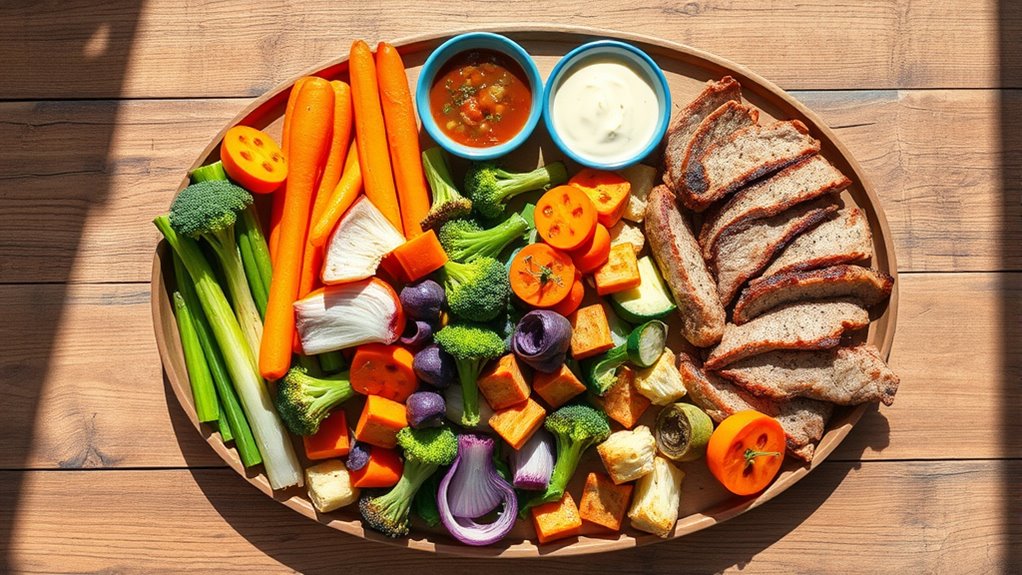
Eating a zero-waste lunch is a simple way to reduce your environmental impact while enjoying delicious meals. When you focus on using every part of your vegetables and meat, you not only minimize waste but also get creative with your ingredients. One of the best ways to do this is by incorporating composting tips into your routine. Composting scraps like vegetable peels, coffee grounds, and eggshells transforms waste into nutrient-rich soil, closing the loop on your food system. This practice reduces landfill waste and enriches your garden if you have one. To make the most of your ingredients, consider ingredient substitutions that maximize edible parts. For example, broccoli stems can be sliced thinly and sautéed, while carrot tops can be blended into pesto or added to soups. Using the whole vegetable ensures you get the most value out of your groceries and cuts down on trash.
When preparing your lunch, think about how you can repurpose leftovers or parts that usually go to waste. Leftover roasted vegetables, for instance, can be turned into a flavorful salad or a filling for wraps. Meat bones and trimmings are perfect for making homemade broth, which can serve as a base for soups or rice dishes. Instead of discarding vegetable scraps, keep a dedicated container in your freezer to save them until you’re ready to make stock. This approach not only reduces waste but also boosts the flavor of your homemade meals.
You can also explore ingredient substitutions to avoid waste and enhance sustainability. For example, if a recipe calls for a specific vegetable that you find is too much or goes uneaten, swap it out for something more versatile or what you already have on hand. Using what’s available prevents spoilage and unnecessary trips to the store. When it comes to meat, consider smaller portions or using leftovers creatively—shredded chicken can be added to salads or wraps for quick, nutritious lunches, making sure nothing goes to waste.
vegetable scrap storage containers
As an affiliate, we earn on qualifying purchases.
As an affiliate, we earn on qualifying purchases.
Frequently Asked Questions
How Can I Store Leftover Vegetable Scraps Safely?
You can store leftover vegetable scraps safely by placing them in airtight storage containers in your refrigerator. Make sure to use composting tips, like labeling containers and storing scraps away from ready-to-eat foods, to keep things fresh and prevent odors. Transfer scraps to your compost bin promptly to minimize waste. Regularly clean your storage containers to avoid bacteria buildup, ensuring your scraps stay safe until you’re ready to compost or use them.
Are There Specific Tools to Prepare Zero-Waste Lunches?
Yes, you can use specific tools like reusable containers and food storage bags to prepare zero-waste lunches. Reusable containers keep your food fresh and reduce single-use plastics, while food storage bags are perfect for storing veggie scraps or leftovers. These tools help you organize your ingredients efficiently, minimize waste, and make packing eco-friendly lunches easier. Investing in quality, eco-conscious tools makes your zero-waste journey more sustainable and convenient.
How Do I Ensure Food Safety With Unconventional Ingredients?
To guarantee food safety with unconventional ingredients, you should thoroughly wash and properly store them to prevent contamination. Always cook meats to the recommended internal temperature and use a food thermometer. Keep vegetables at safe temperatures and avoid cross-contamination by using separate cutting boards and utensils. When in doubt, research specific handling guidelines for unusual ingredients to avoid foodborne illnesses and enjoy your zero-waste lunch safely.
Can Zero-Waste Recipes Be Suitable for Meal Prep?
Think of zero-waste recipes as a puzzle where all pieces fit perfectly. They’re definitely suitable for meal prep, especially since you can plan ahead with meal prep strategies and ingredient substitutions. I once prepped a week’s worth of veggie-stuffed wraps using scraps others discarded, saving time and reducing waste. With thoughtful planning, you can make zero-waste meals convenient, sustainable, and just as practical as traditional prep methods.
What Are Creative Ways to Repurpose Meat Trimmings?
You can turn meat trimmings into flavorful additions by using meat trimming ideas like making broth, adding them to soups, or grinding for patties. Get creative with waste utilization by blending trimmings into sauces or stuffing vegetables. Freeze leftovers for future meals or incorporate them into stir-fries. These strategies help you minimize waste while creating delicious, resourceful dishes that make the most of every part of your meat.
Conclusion
By embracing zero-waste lunch recipes, you’re not just saving leftovers—you’re planting seeds of change. Every scrap you use symbolizes respect for the earth’s bounty, nurturing a cycle of renewal. When you choose to maximize every part of your vegetables and meat, you’re tending a garden of sustainability, where abundance blossoms from mindful choices. Remember, your waste is a story unfinished; by finishing it thoughtfully, you become the gardener of a greener, more hopeful future.
NFL season / tailgating Picks
team gear
As an affiliate, we earn on qualifying purchases.