Syrian Muhammara is a vibrant roasted red pepper and walnut spread that highlights hospitality and tradition. You’ll combine smoky peppers, crunchy walnuts, breadcrumbs, and a splash of pomegranate molasses for a tangy, flavorful dip. Customize it with spices like cumin or chili to suit your taste. This dish reflects Syrian culture and social gatherings, bringing people together over bold flavors. If you continue exploring, you’ll discover ways to make it your own.
Key Takeaways
- Muhammara is a traditional Syrian roasted red pepper and walnut spread often served as a salad or appetizer.
- It combines smoky roasted peppers, rich walnuts, pomegranate molasses, and breadcrumbs for a creamy, flavorful spread.
- Variations include adding spices like cumin, chili, or lemon juice to customize taste and heat levels.
- Muhammara is a symbol of Syrian hospitality, shared during gatherings and cultural celebrations.
- It pairs well with bread, grilled meats, or as part of a mezze platter, reflecting its versatile role in Syrian cuisine.
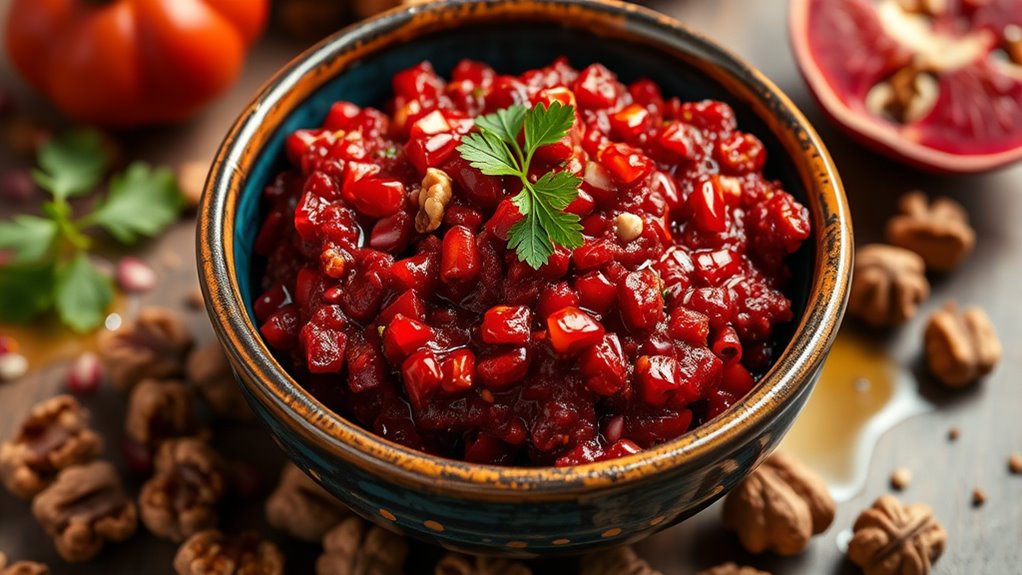
Have you ever tasted the rich, spicy flavors of Syrian Muhammara Salad? If you haven’t, you’re missing out on a dish that’s as much about tradition as it is about bold taste. Muhammara holds a special place in Syrian cuisine, symbolizing hospitality and community. It’s often served during family gatherings, celebrations, and religious festivals, where sharing this vibrant spread brings people together. Its cultural significance goes beyond just flavor—it’s a reflection of Syrian history, blending local ingredients and culinary techniques passed down through generations. When you prepare Muhammara, you’re participating in a culinary tradition that connects you to a broader cultural heritage, emphasizing the importance of shared meals and storytelling through food.
Discover the rich tradition and bold flavors of Syrian Muhammara, a vibrant dish that brings people together through shared culture.
The beauty of Muhammara lies in its ingredient variations. While the core ingredients—roasted red peppers, walnuts, breadcrumbs, and pomegranate molasses—are consistent, you can find regional and personal twists. Some recipes favor a more garlic-forward approach, while others add a hint of cumin or smoked paprika for depth. You might also come across versions that incorporate a splash of lemon juice for brightness or a touch of chili for extra heat. The walnuts can be replaced with other nuts like pistachios or almonds, depending on availability or personal preference, giving each version a unique character. The use of different spices and ingredients speaks to the adaptability of Muhammara, allowing you to tailor it to your taste or dietary needs.
As you make Muhammara, you’ll notice how each ingredient plays a essential role in creating its signature texture and flavor profile. Roasted peppers lend a smoky sweetness, balanced by the richness of walnuts. The pomegranate molasses adds a tangy sweetness that brightens the spread, while the breadcrumbs help achieve a smooth, spreadable consistency. The variations in ingredients also influence its cultural significance—each tweak can reflect regional tastes or family traditions. Some families might add a dash of hot paprika for a fiery kick, while others keep it milder, emphasizing the natural sweetness of peppers. This flexibility highlights how Muhammara can be both a traditional dish and a canvas for culinary innovation.
In essence, Muhammara isn’t just a flavorful dip; it’s a reflection of Syrian culture and its rich culinary tapestry. Its ingredient variations show how adaptable and personal this dish can be, allowing you to craft your own version rooted in tradition or inspired by your palate. Whether you enjoy it as part of a mezze platter or as a condiment on grilled meats, Muhammara invites you into a world of bold flavors and meaningful history. Making it connects you to centuries of Syrian culinary heritage, making each bite a celebration of culture and community.
Frequently Asked Questions
Can Muhammara Be Stored for Multiple Days?
Yes, Muhammara can be stored for multiple days. Its shelf life typically ranges from 3 to 5 days when kept in an airtight container in the refrigerator. To guarantee it stays fresh, always use clean utensils when serving and store it promptly after use. Proper storage helps preserve its flavor and texture, so you can enjoy it over several days without worry.
Is Muhammara Suitable for Vegans?
Yes, muhammara is suitable for vegans. You can make vegan adaptations by using ingredient substitutions like maple syrup instead of honey and ensuring your bread crumbs are vegan. Focus on plant-based ingredients like roasted red peppers, walnuts, and olive oil. By adjusting the traditional recipe slightly, you create a delicious vegan spread that retains authentic flavors, perfect for sharing with friends who follow a plant-based diet.
What Are Traditional Accompaniments for Muhammara?
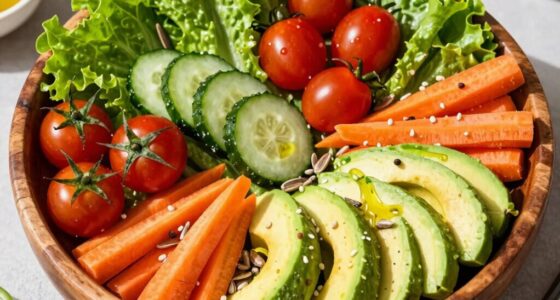
Did you know muhammara is often served with traditional accompaniments that enhance its flavor? You should try pairing it with warm pita bread or fresh vegetable crudités like carrots, cucumbers, and bell peppers. These options provide a nice crunch and balance the richness of the spread. Enjoying muhammara with these simple sides makes for a delicious, authentic experience that highlights the vibrant flavors of Middle Eastern cuisine.
Can Muhammara Be Frozen for Later Use?
Yes, you can freeze muhammara to preserve flavors for later use. To do so, transfer it to an airtight container or freezer-safe bag, leaving some space for expansion. Freezing muhammara helps maintain its freshness, but for the best taste, consume it within a few months. Just remember to thaw it in the refrigerator before serving, and give it a good stir to restore its creamy texture.
Are There Regional Variations of Muhammara Across Syria?
Yes, muhammara varies across Syria with regional ingredients shaping its flavor profiles. In some areas, you’ll find additions like pomegranate molasses or unique spices that give each version a distinct taste. You might also notice differences in the type of peppers or walnuts used, reflecting local availability. These regional variations make muhammara a versatile and culturally rich dish, offering a unique experience with each region’s twist.
Conclusion
Now that you’ve mastered the art of making Syrian Muhammara Salad, you’re practically a culinary magician. Picture yourself confidently spreading this fiery, nutty concoction on bread, causing friends to swoon and neighbors to peer through windows, all while your kitchen smells like a spice market explosion. Next time someone doubts your skills, just remind them you wield roasted peppers and walnuts like a flavor wizard. Who knew salad could be so daringly delicious and slightly mischievous?