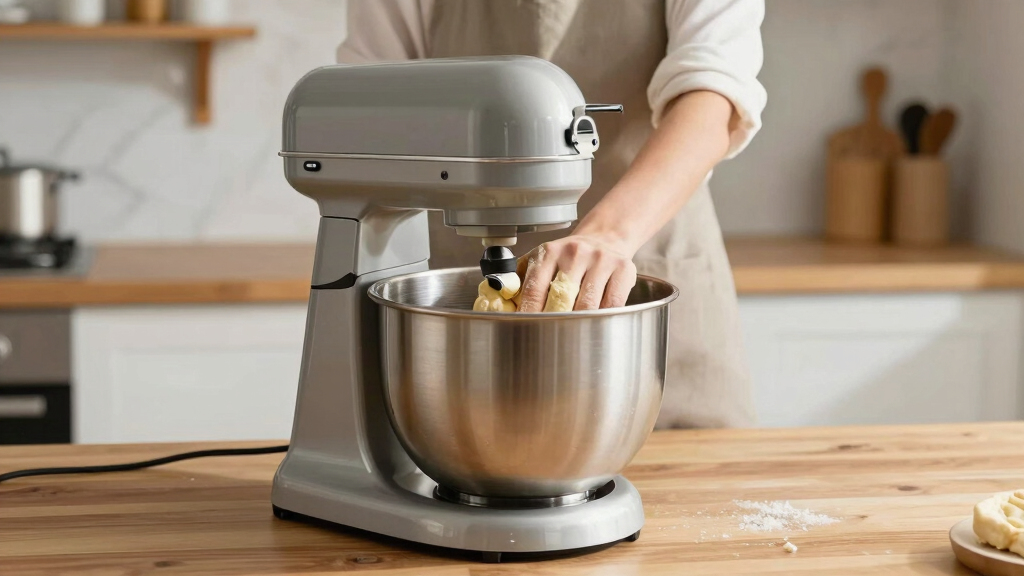
Finding the best stand mixer for bread dough means balancing power, capacity, and durability. The KitchenAid Artisan Series stands out for its reliable performance and user-friendly design, making it ideal for home bakers craving consistent results. For larger batches, the KitchenAid 7 Quart Bowl-Lift Mixer offers increased capacity, suited for serious bread enthusiasts. Meanwhile, the Ooni Halo Pro Spiral Mixer impresses with its high-speed versatility and specialized attachments, though it comes at a higher price. Each option involves tradeoffs: larger capacity often means a bigger footprint, while more powerful motors usually cost more. Continue reading for a detailed breakdown of these top picks and what to consider before buying.
Key Takeaways
- Powerful motors (around 500W or more) are essential for kneading dense bread dough without strain.
- Bowl capacity varies widely; larger bowls (6+ quarts) suit frequent or large-batch bread baking, but may be less maneuverable for small tasks.
- Build quality and stability are critical, especially when mixing heavy dough; models with sturdy bases and metal construction excel here.
- Attachments like dough hooks and whisks significantly influence versatility, but not all models include them or handle all bread types equally.
- Higher price often correlates with durability and power, but some mid-range options deliver excellent performance for home bakers.


More Details on Our Top Picks
Cuisinart Stand Mixer, 12 Speeds, 5.5-Quart Mixing Bowl, Chef’s Whisk, Flat Mixing Paddle, Dough Hook, and Splash Guard with Pour Spout, Silver Lining, SM-50BCNAS, Silver Lining
This Cuisinart SM-50BCNAS stands out for its robust 500-watt motor and die-cast metal build, making it a reliable choice for kneading dense bread dough, especially when compared with the KitchenAid Classic. Its 12-speed control offers nuanced mixing, while the large 5.5-quart stainless steel bowl accommodates bigger batches. The tilt-back head provides easy access, and the included attachments—dough hook, whisk, paddle—cover most baking needs. Although it’s more affordable than some premium models, it doesn’t quite match the smooth, quieter operation of the KitchenAid Artisan or the higher capacity of the KitchenAid Bowl-Lift. The all-metal construction ensures stability but adds weight, and the dishwasher-safe accessories make cleanup simple. Tradeoffs involve slightly louder operation and fewer optional attachments than others. This pick is ideal for home bakers seeking power and durability without the premium price, but those needing a smaller or quieter machine may want to consider alternatives.
Pros:- Powerful 500-watt motor handles dense bread dough with ease
- Die-cast metal construction for stability and durability
- 12-speed options for precise mixing control
- Includes essential attachments: dough hook, whisk, paddle
Cons:- Relatively loud during heavy kneading
- Heavier and less portable than some competitors
- Limited optional attachments compared to KitchenAid
Best for: Bakers who need a powerful, durable mixer with a large capacity for frequent bread dough kneading.
Not ideal for: Small kitchens or users preferring a quieter, lighter machine for occasional baking.
- Motor Power:500 watts
- Bowl Capacity:5.5 quarts
- Speed Settings:12
- Material:Die-cast metal
- Controls:Tilt-back head knob
- Dishwasher Safe:Yes
Bottom line: This stand mixer suits serious home bakers who prioritize power and capacity over weight and noise.
Bosch Universal Plus Stand Mixer 500 Watt, 6.5 Quarts with Wire Whips, Dough Hook & NutriMill Dough Hook Extender Bundle
The Bosch Universal Plus excels in versatility, especially for large batches like multiple loaves of bread, thanks to its powerful belt-driven transmission and 6.5-quart BPA-free bowl. Its bottom drive makes adding ingredients seamless, and the dual beaters provide superior whipping action, outperforming smaller mixers like the KitchenAid Artisan for tasks like mashing potatoes or shredding chicken. The included NutriMill dough hook extender enhances kneading capacity, making it a strong choice for serious bread makers. However, its plastic bowl, while lightweight and dishwasher safe, isn’t as sturdy as metal alternatives, and the machine’s size can be cumbersome in smaller kitchens. The motor’s noise level and the lack of a tilt-head design are minor inconveniences. This model is best suited for bakers who need a large-capacity, multi-function mixer capable of handling heavy doughs and multiple tasks simultaneously, but less so for compact or quiet environments.
Pros:- Powerful 500-watt belt-driven motor for heavy doughs
- Large 6.5-quart BPA-free bowl suitable for big batches
- Includes multiple beaters and NutriMill dough hook extender
- Versatile with optional attachments for slicing, grinding, and more
Cons:- Plastic bowl less durable than metal counterparts
- Bulky size may fit poorly in tight spaces
- No tilt-head feature, making access less convenient
Best for: Bakers requiring a large capacity and multi-purpose attachments for frequent, heavy-duty bread and dough preparation.
Not ideal for: Small kitchens or users seeking a compact, ultra-quiet mixer for light baking tasks.
- Motor Power:500 watts
- Bowl Capacity:6.5 quarts
- Drive System:Bottom drive belt
- Material:Plastic bowl
- Included Attachments:Wire whips, dough hook, NutriMill extender
- Dishwasher Safe:Yes
Bottom line: Ideal for serious bakers who need a powerful, multi-use mixer capable of handling large quantities and diverse kitchen tasks.
KitchenAid Artisan Series 5 Quart Tilt Head Stand Mixer with Pouring Shield KSM150PS, Onyx Black
The KitchenAid Artisan KSM150PS offers a stylish, reliable option with a 5-quart bowl and a 325-watt motor that performs well for standard bread doughs, especially in comparison with the smaller Classic. Its tilt-head design allows easy access to the bowl, and the 10 speed settings provide sufficient control for kneading, mixing, and rising doughs. Compared to the Cuisinart, it’s quieter and has a more refined aesthetic, but with slightly less power and capacity. The Artisan’s reputation for durability is unmatched, yet it’s less suited for large batches, making it better for occasional baking rather than frequent heavy kneading. The pouring shield helps contain splashes, but the overall weight and size can be challenging in smaller kitchens. This model makes sense for home bakers who value style and reliability but don’t need the highest capacity or power.
Pros:- Stylish design with durable metal construction
- Tilt-head for easy access to the bowl
- Reliable performance with 10-speed control
- Includes pouring shield for mess reduction
Cons:- Lower 5-quart capacity limits batch size
- Less powerful than larger or professional models
- Can be somewhat heavy and less portable
Best for: Home bakers seeking a dependable, attractive mixer with moderate capacity for bread and other baked goods.
Not ideal for: Bakers who frequently knead large batches of bread dough or require heavy-duty performance.
- Motor Power:325 watts
- Bowl Capacity:5 quarts
- Speed Settings:10
- Material:Metal
- Design:Tilt-head
- Included Accessories:Pouring shield
Bottom line: This mixer balances style, reliability, and moderate capacity, ideal for occasional bread baking and everyday use.
KitchenAid 7 Quart Bowl-Lift Stand Mixer
The KitchenAid KSM70SKXX stands out for its 7-quart capacity and bowl-lift design, making it a favorite among serious bread makers who need to knead large batches like 8.5 pounds of dough. Its 10-speed control offers precision, and the sturdy all-metal construction provides excellent stability during tough kneading. The double flex edge beater enhances ingredient incorporation, outperforming standard flat beaters, especially when mixing dense bread doughs. Compared to tilt-head models like the Artisan, the bowl-lift approach offers better leverage for large, heavy doughs. However, its size and weight make it less ideal for small kitchens or casual bakers. The machine’s high capacity and power come with a higher price point and increased footprint. This model is perfect for professional bakers or serious enthusiasts who regularly work with large batches of bread dough.
Pros:- 7-quart large capacity for big batches
- Bowl-lift design provides stability and leverage
- 10-speed control for precise kneading
- Double flex edge beater for thorough mixing
Cons:- Heavy and less maneuverable in tight spaces
- Higher price point
- Size may be cumbersome for small kitchens
Best for: Professional-grade bakers or serious hobbyists needing large batch capacity and heavy-duty performance.
Not ideal for: Small kitchens or casual bakers who only occasionally knead bread dough.
- Motor Power:325 watts
- Bowl Capacity:7 quarts
- Speed Settings:10
- Material:Metal
- Design:Bowl-lift
- Included Attachments:Beater, dough hook, wire whip
Bottom line: A top choice for those who require professional-level capacity and power for frequent large-batch bread making.
KitchenAid Classic Series 4.5 Quart Tilt-Head Stand Mixer K45SS, Onyx Black
The KitchenAid K45SS Classic offers a dependable, budget-conscious option for occasional bread baking, with a 4.5-quart bowl and a 275-watt motor. Its tilt-head design allows easy access, and the 10-speed control covers basic mixing and kneading tasks. Compared to larger models like the Artisan or the 7-quart Bowl-Lift, it’s less suitable for large batches or heavy doughs, but it performs well for small to medium-sized loaves. Its sturdy metal construction ensures durability, yet its lower power might struggle with very dense bread doughs. The smaller capacity also means fewer batches per session. It’s a good starting point for beginners or those with limited space, but advanced bakers may find it lacking for regular heavy-duty kneading. This model fits bakers with modest needs and tighter budgets, but isn’t ideal for large or frequent bread making.
Pros:- Affordable price point
- Sturdy metal construction for durability
- Tilt-head design for easy access
- Reliable 10-speed control
Cons:- Lower 4.5-quart capacity limits batch size
- Less powerful motor may struggle with dense doughs
- Fewer attachments and features than higher-end models
Best for: Beginner bakers or those who bake bread infrequently and prefer an affordable, reliable machine.
Not ideal for: Heavy bread dough kneading or large batch baking on a regular basis.
- Motor Power:275 watts
- Bowl Capacity:4.5 quarts
- Speed Settings:10
- Material:Metal
- Design:Tilt-head
- Included Accessories:Flat beater, dough hook, wire whip
Bottom line: A practical choice for occasional bakers seeking a reliable, space-saving mixer on a budget.
8.4QT Commercial Stand Mixer 800W with Aluminum Die Casting Meets the Standard of NSF/ANSI 8-2023, Mixers Kitchen Electric Stand Mixer with Stainless Steel 8L Bowl, Dough Hook, Whisk and Beater
This commercial-grade stand mixer stands out for its impressive capacity and robust build, making it ideal for large families or small bakeries. Compared to the KitchenAid Artisan, which offers a more home-friendly size, this model’s 8.4-quart bowl handles up to 3 kg of dough with ease, reducing mixing time for big batches. Its 800W motor and 11-speed settings ensure powerful kneading and thorough mixing, even for dense bread doughs. The tilt-head design simplifies accessory swaps, and the digital LED display adds a modern touch, enabling precise time and speed control. The ultra-low noise level enhances comfort during extended use—something other large mixers like the Bosch Universal might not match. However, its size and weight (33 pounds) are less suitable for small kitchens, and its higher price point could be a barrier for casual bakers. For those needing high capacity, quiet operation, and professional features, this mixer delivers excellent value.
Pros:- High capacity of 8.4 quarts, suitable for large dough batches
- Ultra-low noise operation for extended use comfort
- Digital display and precise time control for consistent results
- Heavy-duty build with stainless steel accessories
Cons:- Bulky and heavy at 33 pounds, less portable
- Higher price may be prohibitive for casual users
- Size may not fit in smaller kitchen spaces
Best for: Bakers, small bakeries, or large households who regularly make big batches of bread dough and need reliable, high-capacity equipment.
Not ideal for: Small kitchens or casual home bakers who prioritize compactness and affordability over large volume capacity.
- Capacity:8.4 Quarts
- Motor Power:800W
- Number of Speeds:11
- Material:Aluminum Die Casting, Stainless Steel
- Dimensions:18.11″D x 12.2″W x 16.3″H
- Weight:33 Pounds
Bottom line: This mixer is best for serious bakers or small commercial setups needing large capacity and quiet, durable operation.
Ooni Halo Pro Spiral Mixer – Dough Stand Mixer with Attachments, 7.3 Quart Capacity and 58 Speed Settings – Charcoal Grey
The Ooni Halo Pro excels in developing superior gluten networks thanks to its innovative spiral mixing technology, making it ideal for home bakers who want bakery-quality dough. Unlike the more traditional planetary mixers like the KitchenAid, which use orbiting beaters, this spiral design creates stronger doughs that produce tastier bread and pizza. With 58 adjustable speed settings, from 60 RPM to over 1,000, it offers granular control that can be fine-tuned for different recipes. The bowl’s removable, dishwasher-safe design adds convenience, while bright LEDs illuminate the mixing process, enhancing visibility. Its powerful motor and added cooling fan improve long-term reliability, though at 14.6 kg (about 32 pounds), it remains quite substantial for home use. The non-removable bowl of the KitchenAid might be less flexible for heavy doughs, but the Halo’s unique spiral action makes it a top choice for those aiming for professional results.
Pros:- Advanced spiral mixing technology for stronger gluten development
- 58 adjustable speeds for precise control
- Removable, dishwasher-safe bowl for easy cleaning
- Bright LED lighting for better visibility during mixing
Cons:- Relatively heavy at over 32 pounds, less easy to move
- More expensive than basic planetary mixers
- Non-removable bowl limits quick bowl swaps for heavy doughs
Best for: Home bakers and pizza enthusiasts seeking professional-quality dough with precise control and innovative spiral technology.
Not ideal for: Small kitchens or casual bakers who prefer lightweight, less feature-rich mixers or have limited space.
- Capacity:7.3 Quarts
- Wattage:650W
- Number of Speeds:58
- Material:Die Cast Aluminum, Stainless Steel, Glass
- Dimensions:9.9″D x 17.2″W x 13.5″H
- Weight:14.6 kg
Bottom line: This mixer is designed for serious home bakers who want professional dough quality and detailed control in a durable, innovative machine.
How We Picked
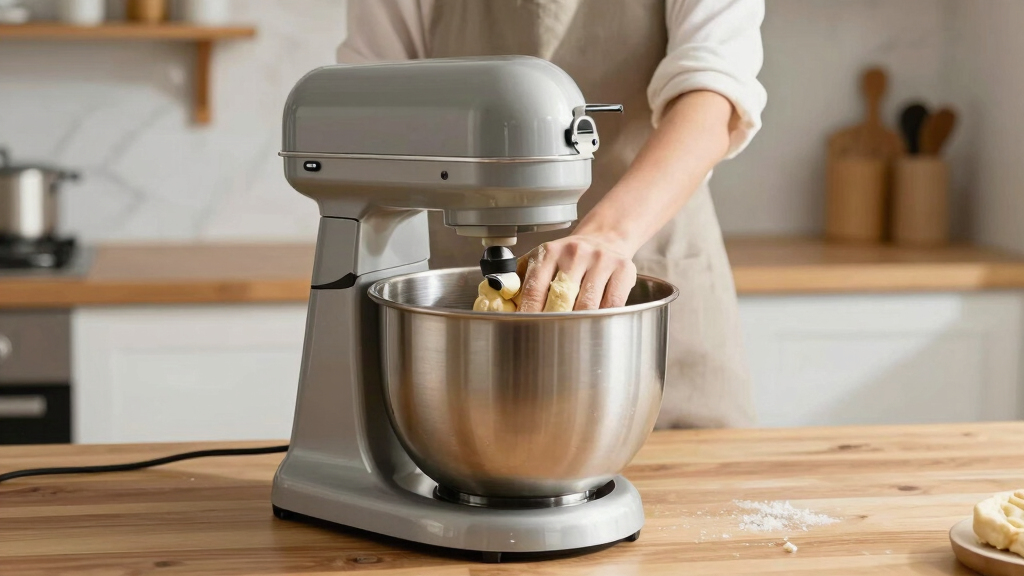
To determine the best stand mixers for bread dough, I focused on key factors that impact baking performance and user experience. Power (watts), bowl capacity, and build quality were top priorities, since kneading dense dough requires robust motors and sturdy construction. Ease of use, including tilt-head versus bowl-lift designs, also influenced rankings, as they affect convenience during extended mixing sessions. I evaluated included attachments and versatility, especially for bread-making tasks. Price was considered in relation to performance, helping to identify options that offer the best value for serious bread bakers versus casual users. The final ranking reflects a balance between these elements to serve different baking needs effectively.Factors to Consider When Choosing Best Stand Mixers For Bread Dough
Choosing the right stand mixer for bread dough involves considering several factors that can significantly affect your baking experience. Beyond just power and size, it’s important to think about how the machine handles heavy doughs, its stability during operation, and the types of attachments available. Understanding these broader considerations can help you avoid common pitfalls, such as purchasing a model that can’t knead dense bread properly or one that takes up too much space in your kitchen. Here are the key factors to keep in mind:Motor Power and Durability
For kneading bread dough, a powerful motor—typically 500 watts or more—is essential to handle dense, high-gluten mixtures without overheating. Cheaper models with lower wattage may struggle or burn out over time. Durability depends on the motor’s build quality and the materials used inside; metal gear transmissions tend to last longer and perform better under heavy loads. Investing in a sturdy, high-quality motor pays off in consistent results and longevity, especially if you bake bread regularly.
Capacity and Size
Bowl capacity directly affects how much dough you can make at once. For most home bakers, 4.5 to 6.5 quarts strike a good balance between size and maneuverability. Larger bowls (7+ quarts) are better suited for frequent bread baking or batch production but can be bulkier and heavier to handle. Smaller models may be easier to store and operate for occasional use but could limit batch size. Carefully consider your typical bread recipes and kitchen space before choosing.
Stability and Build Quality
Heavy-duty stand mixers with a stable, weighted base prevent wobbling during intense kneading. Metal construction, especially in the frame and gears, adds robustness and longevity. Cheaper plastic models might vibrate excessively or even shift during tough mixing tasks. For bread dough, stability isn’t just comfort—it’s essential for safety and achieving evenly mixed results. Prioritize models with non-slip feet and solid build quality if you plan to knead frequently.
Attachments and Versatility
Most bread-making involves kneading with a dough hook, but additional attachments like whisks and paddles expand a mixer’s usefulness. Some models include multiple attachments, making multitasking easier. However, not all attachments are equally effective for bread dough, and specialized options like spiral mixers tend to produce better results for large batches. Consider your typical recipes and whether a model’s attachments meet those needs before buying.
Price and Value
High-powered, large-capacity mixers often come with a higher price tag, but they also tend to last longer and perform better with dense doughs. Mid-range models frequently strike a good balance between cost and performance, suitable for serious home bakers. Cheaper models might suffice for occasional bread baking but could require replacements sooner or limit your dough size. Budget wisely based on your baking frequency and ambitions—sometimes paying more upfront saves money long-term.
Frequently Asked Questions
Can I use a regular stand mixer for heavy bread dough?
Many standard stand mixers can handle bread dough, but their success depends on the motor power and build quality. For dense, high-gluten doughs, a mixer with at least 500 watts and a sturdy construction will perform better without overheating or straining. Cheaper models with lower wattage may struggle or burn out over time, especially with frequent use. It’s wise to check the manufacturer’s recommended maximum knead load and consider investing in a more robust model if you bake bread often.
What size bowl should I look for if I bake large batches of bread?
If you regularly make large batches or thick doughs, a bowl capacity of 6.5 quarts or more is advisable. Larger bowls accommodate bigger quantities without overflowing or requiring multiple batches. Keep in mind that bigger models may be heavier and take up more space, so ensure your kitchen can handle the size. For occasional or small-batch baking, a 4.5 to 5-quart bowl may be sufficient and easier to store and maneuver.
Are expensive mixers worth the extra cost for bread baking?
Higher-priced mixers often feature more powerful motors, larger capacities, and stronger build quality, which translate into better performance and durability during intensive bread kneading. If you bake bread frequently or in large quantities, these investments can pay off through consistent results and longer lifespan. However, for occasional bread baking, mid-range models with sufficient power and capacity can deliver excellent results at a more accessible price point.
Is a tilt-head or bowl-lift mixer better for bread dough?
Both designs can handle bread dough effectively, but bowl-lift mixers generally provide more stability and are easier to access during heavy mixing. Tilt-head models are more compact and easier to add ingredients but may wobble slightly under heavy loads. For frequent bread baking or larger batches, a bowl-lift design offers a more robust platform, reducing strain on the motor and frame. Consider your workspace and preference for ease of use when choosing between the two.
What features should I prioritize if I mostly bake bread?
For bread baking, prioritize a powerful motor (around 500W or higher), a large capacity bowl, and a sturdy, stable frame. Attachments such as a reliable dough hook are essential, and some models offer spiral or specialized kneading attachments that improve results. Ease of access for adding ingredients and durability for frequent use are also key considerations. While extra bells and whistles are nice, focus on performance features that directly impact bread quality and consistency.
Conclusion
For dedicated bread bakers, the KitchenAid 7 Quart Bowl-Lift Mixer offers superb capacity and stability for large batches, making it the best choice for serious hobbyists or small commercial use. Casual bakers or those with limited space will find the KitchenAid Artisan Series an excellent, reliable all-rounder that balances power and ease of use. For those seeking premium performance and the ability to handle high-volume bread making, the Ooni Halo Pro Spiral Mixer stands out, though it involves a higher investment. Beginners or occasional bakers should consider more affordable models with sufficient power, while professional bakers benefit from models with larger capacities and heavy-duty features. Ultimately, your choice depends on your baking frequency, batch size, and budget.