
This checklist is for home cooks who want to make fresh pasta and are choosing a few useful tools and ingredients. It covers equipment for shaping and cutting, plus flour and storage considerations, so you can plan a setup that suits the way you cook. Start with your pasta routine: how often you expect to make it and which shapes you want to try.

Get kitchen staples and gadgets delivered free with Prime
- Fast, free delivery on millions of items
- Prime Video, Amazon Music and more included
- Member-only deals all year
The sections follow the steps and needs of a home pasta setup: rolling dough, making filled pasta, drying strands, choosing flour, and storing supplies. Product picks appear where provided; the drying rack and flour sections offer guidance without naming a specific product. Use each section as a decision guide, checking that a tool fits your counter space and intended recipes.
Read the advice before buying, then compare the listed product details with your own needs. For powered equipment, confirm the voltage and included attachments; for cutters and containers, check dimensions and intended use. Fit and compatibility matter more than choosing every item at once. You can build a practical kit gradually, starting with the tools that support the pasta you most want to make.
Pasta Machine
A pasta machine helps turn dough into sheets for cutting or filling, making it a central choice if you plan to prepare pasta regularly. The listed pick is the Marcato Made in Italy Atlasmotor 110V Electric Pasta Machine, Chrome S. Its name identifies it as an electric machine and specifies 110V, so check your outlet compatibility and the product listing before ordering. Confirm what attachments are included and whether they make the shapes you plan to prepare.
A common buying mistake is assuming every machine handles every pasta style. Consider whether you want sheets for hand-cut noodles, filled pasta, or both, and verify the machine’s functions against those uses. Check the machine’s footprint and the clearance around it, including room to feed dough and collect sheets. If you prefer manual control or have limited counter space, compare operating style and storage dimensions before committing. Match the machine to your recipes and kitchen setup, rather than relying on the product name alone.
What to look for:
- Confirm the 110V specification suits your power supply.
- Check which rollers or attachments are included.
- Compare the machine’s dimensions with available counter and storage space.
- Verify that its functions suit the pasta shapes you plan to make.
- Review the listing’s care and cleaning guidance.
Marcato Made in Italy Atlasmotor 110V Electric Pasta Machine, Chrome Steel

The Atlasmotor combines manual and electric pasta making with a 10-position thickness adjustment. It includes accessories for making various pasta shapes and features easy-to-clean anodized aluminum rollers.
Pros:
- Versatile with manual and motorized operation
- Adjustable thickness for various pasta types
- Easy to clean and maintain
- Supports multiple pasta shapes with accessories
Cons:
- Not dishwasher safe
- Requires sitting for 30 minutes before cleaning
- Motorized component may increase cost
Best for: Home cooks who want an electric machine for preparing pasta sheets.
Not ideal for: Cooks seeking a compact manual tool or a machine with different voltage requirements.
Bottom line: Check voltage, included attachments, and available workspace before choosing the Atlasmotor.
Ravioli Cutter
A ravioli cutter or mold can help portion filled dough into consistent shapes, making it useful when you want to prepare several pieces at once. The listed pick is the Ravioli Maker Press, Ravioli Cutter, 8-Holes Square Mold, Empanada Pre. The name indicates an eight-hole square mold and mentions empanadas as well, but verify its actual intended uses and included components in the listing. Check whether its dimensions suit the size of ravioli you want to serve.
One common mistake is choosing a multi-cavity mold without checking how much filling each pocket holds or how its edges seal and cut. Look for clear product dimensions and instructions, and consider whether the press works with the dough thickness you can roll. A mold that is awkward to fill or clean may be less practical for your routine. Confirm that the number and shape of cavities suit your recipes, and check storage dimensions before buying. Think through the full process: filling, sealing, cutting, transferring, and cleaning.
What to look for:
- Check the mold’s overall size and the dimensions of each cavity.
- Confirm whether the product cuts, seals, or performs both tasks.
- Review instructions for dough thickness and filling quantity.
- Verify the listed uses and included pieces.
- Consider how the mold can be cleaned and stored.
Ravioli Maker Press, Ravioli Cutter, 8-Holes Square Mold, Empanada Press

This ravioli maker set includes a press, empanada mold, wheel cutter, rolling pin, cleaning brush, and dough cutter. Made of food-grade plastic, it helps create perfectly shaped ravioli, empanadas, and other dough-based foods quickly and easily, suitable for home and restaurant use.
Pros:
- Easy to use with dual-sided design and precise cutting edges
- Made of durable, food-grade plastic
- Versatile for making ravioli, empanadas, biscuits, and pasta
- Includes cleaning brush for easy maintenance
Cons:
- May require flour dusting to prevent sticking
- Limited to small batch sizes due to mold size
Best for: Cooks who want to shape multiple square filled pieces together.
Not ideal for: Anyone who needs a different cavity shape or individually sized ravioli.
Bottom line: Confirm cavity dimensions and the mold’s cutting and sealing functions before buying.
Pasta Drying Rack
A drying rack gives freshly cut pasta a place to rest before cooking or storage, so it can be useful if you make long strands or prepare batches ahead. No specific product is listed here; choose based on the shapes you make, how much you prepare at a time, and the room available in your kitchen. Prioritize stable support and enough hanging or resting space for your typical batch.
A common mistake is buying a rack that holds too little pasta or takes up more room than the counter can spare. Check its assembled and stored dimensions, how it opens or folds, and whether its supports suit the pasta shapes you make. Consider where it will stand while in use and whether you can reach it without disturbing the strands. If you mainly make short shapes or cook pasta immediately, a large rack may not fit your routine. Choose capacity to match your batches, and follow the rack’s care instructions to keep it ready for future use.
What to look for:
- Compare capacity with the amount of pasta you usually make.
- Check assembled height, width, and storage dimensions.
- Look for a stable base and supports suited to your pasta shapes.
- Confirm whether the rack folds or disassembles for storage.
- Review cleaning and care instructions.
Semolina Flour
Semolina is one flour option to consider when planning homemade pasta, but the right choice depends on the recipe and the texture you want. No specific product is listed, so use your recipe as the guide and compare the flour type named there with the package label. Follow the recipe’s flour specification rather than assuming one flour works identically in every dough.
A frequent buying mistake is overlooking how a recipe describes the flour or substituting without checking the expected dough texture. Read ingredient lists and package descriptions carefully, and consider whether the flour is intended for the pasta you plan to make. If you are combining flours, use a recipe that gives proportions instead of guessing. Check package size against how often you cook and whether you have a suitable place to store it after opening. Keep the recipe and package details together so you can repeat a dough that works for you.
What to look for:
- Match the flour type to the recipe you plan to follow.
- Read the package description and ingredient information.
- Use stated proportions when combining flour types.
- Choose a package size that suits your cooking frequency.
- Check the package’s storage guidance after opening.
Pasta Flour
The flour you choose affects how your dough comes together, so check the recipe before buying a bag. No specific product is listed in this section. Compare the flour named in the instructions with the package description, and note whether the recipe calls for one flour or a blend. Start with a clearly specified recipe if you are still learning how a dough should feel.
A common mistake is assuming that all flour types can be swapped in equal amounts without changing the dough. Follow the recipe’s quantities and instructions, and avoid making several substitutions at once when you are trying to understand a result. Consider package size in relation to how often you make pasta and where you can keep the flour. Read storage guidance and seal the package as directed after opening. Choose for the recipe you will cook, then adjust only when you have a reliable method for judging the dough’s texture and handling.
What to look for:
- Check the recipe’s exact flour description.
- See whether the recipe calls for a single flour or a blend.
- Follow stated quantities and mixing instructions.
- Choose a package size you can use and store appropriately.
- Read storage guidance on the package.
Pasta Storage Containers
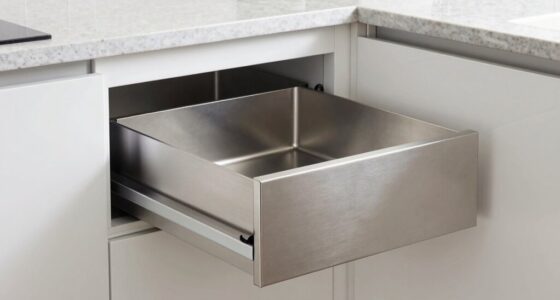
Storage matters for keeping pasta supplies organized, but the right container depends on what you plan to store and the space you have. The listed pick is the Airtight Stainless Steel Bread Box, Large Bread Storage Container, 1 P. Its name describes a large stainless steel bread box; confirm its dimensions and intended use before treating it as a fit for pasta storage. Check that the opening accommodates the items you want to keep inside.
A common mistake is choosing a container based on material or appearance without checking capacity, shape, or how it fits your storage area. Measure the shelf or counter where it will sit, then compare that space with the product dimensions. Consider whether you need to store dry pasta supplies, tools, or something else, and verify that the container’s design suits those contents. The word “airtight” appears in the product name, but review the listing for details about its closure. Let dimensions and closure details decide whether this bread box works for your storage needs.
What to look for:
- Compare the listed dimensions with your shelf or counter space.
- Check the opening size against the items you plan to store.
- Review how the lid or closure works.
- Confirm the container’s material and care instructions.
- Verify that its intended use suits the contents you have in mind.
Airtight Stainless Steel Bread Box, Large Bread Storage Container, 1 Pack

This large stainless steel bread box features an airtight seal and a removable lid with a date dial, ideal for storing bread, bagels, or meal prep portions. It is oven, freezer, and dishwasher safe, providing versatile storage options for the kitchen or refrigerator.
Pros:
- Airtight seal with date recording dial helps keep bread fresh
- Made of durable stainless steel that is easy to clean
- Multi-use design suitable for bread, leftovers, or meal prep
- Oven, freezer, and dishwasher safe
Cons:
- Lid is not oven or microwave safe
- Hand washing recommended for lid to maintain seal
- May be heavy when filled
Best for: Cooks seeking a large named bread box for kitchen organization.
Not ideal for: Anyone needing a compact container or a confirmed pasta-specific design.
Bottom line: Check dimensions, opening, and closure details before using this bread box for pasta supplies.
Build your setup in a practical order: first choose the flour and recipe you want to use, then add a machine or cutter that supports the pasta you plan to make. Consider a drying rack if your routine involves batches of strands, and choose storage only after measuring the space and identifying what you need to keep there. Start with the next recipe you want to cook, then buy the item that makes that step easier.
You do not need every tool to begin making homemade pasta. A few well-matched choices can support your cooking routine, and you can add equipment as you learn which shapes and methods you enjoy. Check product details carefully, follow recipe instructions, and give yourself room to experiment. Build your checklist at your own pace and let your kitchen habits guide what comes next.