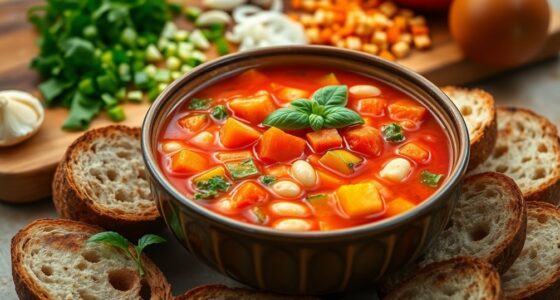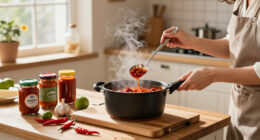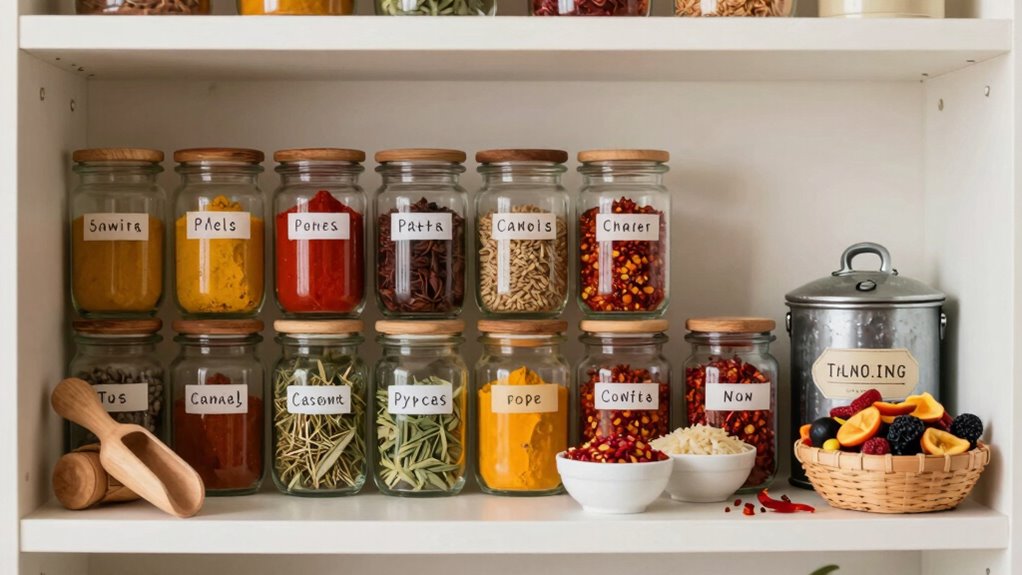

Start small by focusing on a few key flavors from different cuisines you enjoy. Gradually expand your pantry with essential spices, ingredients, and staples, organizing them in clear, labeled containers. Prioritize seasonal and locally-sourced items to keep costs manageable and guarantee freshness. Avoid buying everything at once—build your collection over time based on your culinary interests. Keep exploring new ingredients and techniques, and you’ll discover even more ways to enrich your world-cuisine pantry.

Get kitchen staples and gadgets delivered free with Prime
- Fast, free delivery on millions of items
- Prime Video, Amazon Music and more included
- Member-only deals all year
Key Takeaways
- Start by selecting a few core spices and ingredients from different cuisines to build a versatile foundation.
- Gradually expand your pantry by exploring one cuisine at a time, avoiding overwhelm and unnecessary purchases.
- Focus on high-quality, essential items first, and add specialty ingredients as you develop your culinary skills.
- Utilize organized storage and labeling to keep track of what you have and prevent duplicate purchases.
- Incorporate seasonal and locally sourced ingredients to enhance flavor and support sustainable shopping habits.
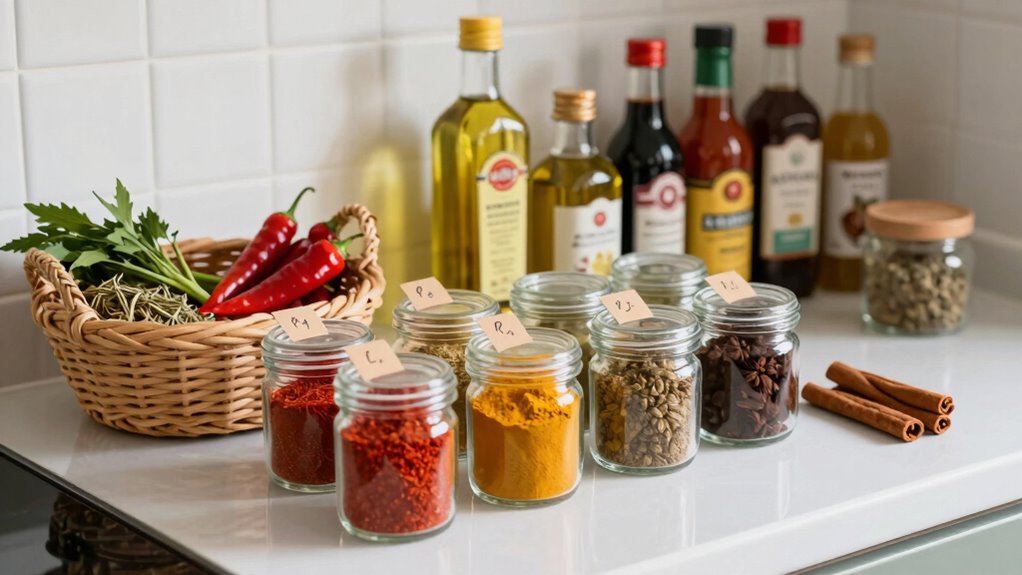
Building a world-cuisine pantry doesn’t have to be overwhelming. Instead of trying to gather every spice or ingredient at once, focus on a strategic approach that makes your shopping more manageable and enjoyable. Start small, and gradually expand as you discover the flavors you love and need most. One of the key elements in creating an efficient pantry is ingredient storage. Invest in airtight containers for grains, flours, and dried goods, which keep everything fresh and prevent pests. Clear containers are ideal because they let you see what’s inside at a glance, saving you time and reducing frustration when you’re cooking. Label each container clearly with the name and purchase date, so you know exactly what you have and when to restock. This organization makes your pantry visually appealing and functional, helping you avoid duplicate purchases or missing ingredients. Proper storage techniques can also extend the shelf life of your ingredients and ensure they stay flavorful longer. When it comes to spices organization, think beyond just buying a bunch of small jars. As you start exploring different cuisines, you’ll accumulate a variety of spices from around the world. Instead of cluttering your spice rack with dozens of tiny jars, consider using a spice drawer or a dedicated spice rack with tiers. Group similar spices together—curry powders, chili powders, herbs—so you can quickly find what you need. Keep frequently used spices within easy reach, while more exotic or less-used ones can go in a secondary storage spot. To keep spices fresh longer, store them in a cool, dark place away from direct sunlight and humidity, which can degrade their flavor. You might also want to transfer spices from their original packaging into small, labeled jars for better organization and to prevent spills. Being mindful of biodiversity in your spice sources can also help you support sustainable practices and reduce environmental impact. Additionally, researching ethically sourced ingredients can ensure your culinary explorations align with your values. Incorporating sustainable practices into your pantry building can further enhance your efforts to support the environment while enjoying diverse flavors. Remember that understanding the importance of seasonal ingredients can also guide you in selecting fresh, flavorful items that are in peak condition and support local producers.
As an affiliate, we earn on qualifying purchases.
Frequently Asked Questions
How Do I Store International Spices Long-Term?
To store international spices long-term, keep them in airtight, dark containers to preserve flavor and prevent moisture. Store spices in a cool, dry place away from direct sunlight. Incorporate fermentation techniques and spice blending to enhance their longevity and flavor profiles. Regularly check for freshness, and consider labeling with purchase dates. Proper storage guarantees your spices stay vibrant, making your culinary experiments more flavorful and authentic over time.
Which Pantry Staples Are Essential for Most Cuisines?
You need essential pantry staples like rice, pasta, beans, and flour to support global flavor and culinary diversity. Spices such as cumin, turmeric, and paprika add depth to dishes from various cuisines. Oils like olive and sesame, along with soy sauce and coconut milk, help you craft authentic flavors. These staples form a versatile base, allowing you to explore different cuisines without overstocking, making your pantry both functional and inspiring.
How Can I Avoid Buying Duplicates of Similar Ingredients?
To avoid duplicates, focus on versatile ingredients that work across cuisines, like soy sauce or garlic. Use ingredient substitution ideas to maximize what you have, swapping similar spices or condiments based on flavor pairing. Keep a list of core ingredients and note their common substitutes. This way, you can adapt recipes without buying identical items, reducing clutter and expanding your culinary options efficiently.
Are There Budget-Friendly Ways to Try New Ingredients?
Yes, you can try new ingredients on a budget by incorporating them into your meal prep. Start with small quantities and focus on ingredients that match familiar flavor profiles, making them easier to incorporate into dishes you already enjoy. Look for sales or bulk options to save money, and experiment with one new ingredient at a time. This way, you expand your culinary horizons without overspending or overwhelming your pantry.
How Often Should I Replenish My Pantry Supplies?
You should replenish your pantry supplies every few months, especially after meal prep sessions reveal empty spice jars or missing ingredients. Keep an eye on expiration dates and make note of staples used often, so you can do ingredient substitution easily. Coincidences happen when you realize you’re running low just as you’re planning new recipes, prompting a quick refill. This way, your pantry stays fresh and ready for culinary adventures.
Conclusion
Building a world-cuisine pantry is a flavorful journey, not a race. Start small, explore spices and staples from different cultures, and gradually expand your collection. Think of it as assembling your own culinary time machine—today’s ingredients could transport you straight to a bustling Moroccan market or a lively Thai street stall. With patience and curiosity, you’ll soon have a pantry that’s as diverse and vibrant as the stories behind each dish. Bon appétit!
NFL season / tailgating Picks
team gear
As an affiliate, we earn on qualifying purchases.