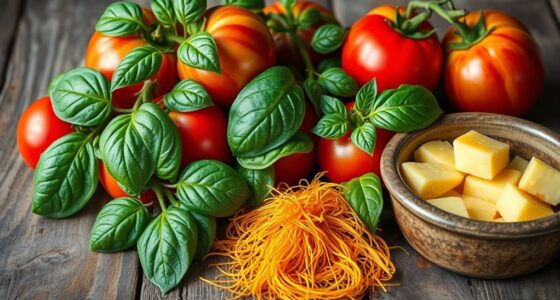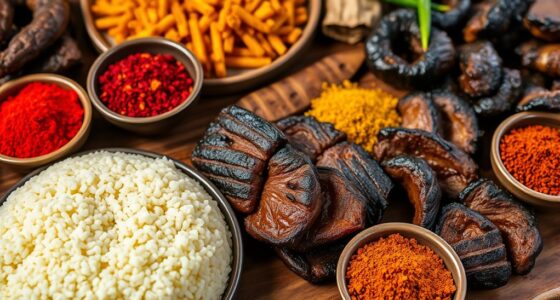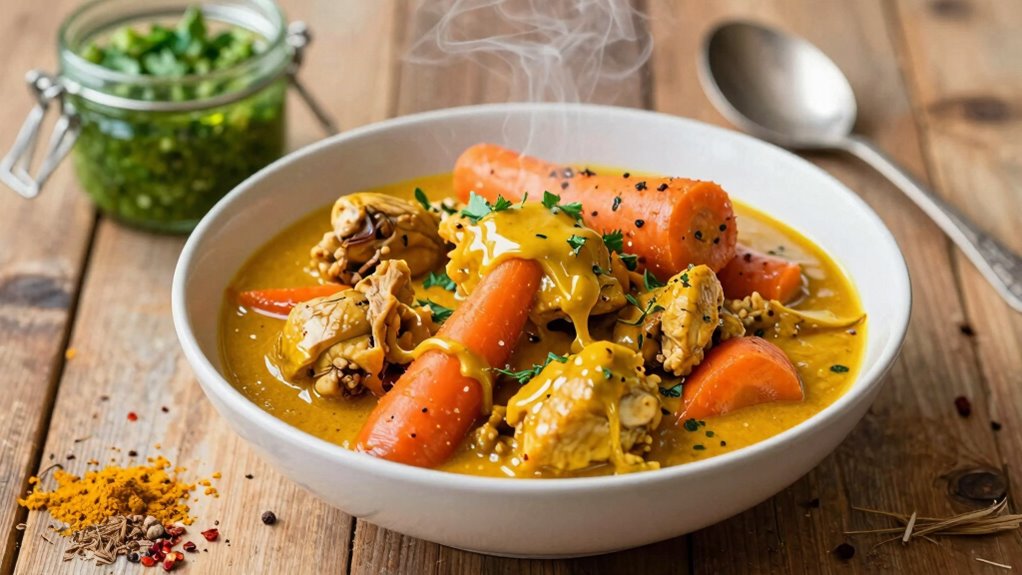

To make home cooking more interesting instantly, try using spice blends and fermented ingredients. These shortcuts give you access to global flavors like smoky curry, zesty jerk, or tangy kimchi with minimal effort. They add depth and complexity to your dishes without long prep times or special skills. Incorporating these elements allows you to experiment and create memorable meals quickly. If you want to discover more ways to spice up your cooking, there’s plenty you can explore.

Get kitchen staples and gadgets delivered free with Prime
- Fast, free delivery on millions of items
- Prime Video, Amazon Music and more included
- Member-only deals all year
Key Takeaways
- Utilize pre-made international spice blends to quickly add authentic flavors to everyday dishes.
- Incorporate fermented ingredients like kimchi or miso for instant depth and tang.
- Combine spice blends with fermented foods to create bold, multi-layered flavors effortlessly.
- Experiment with simple shortcuts like spiced kimchi stir-fries or fermented marinades.
- Use these techniques to diversify meals, impress guests, and explore global cuisines easily.
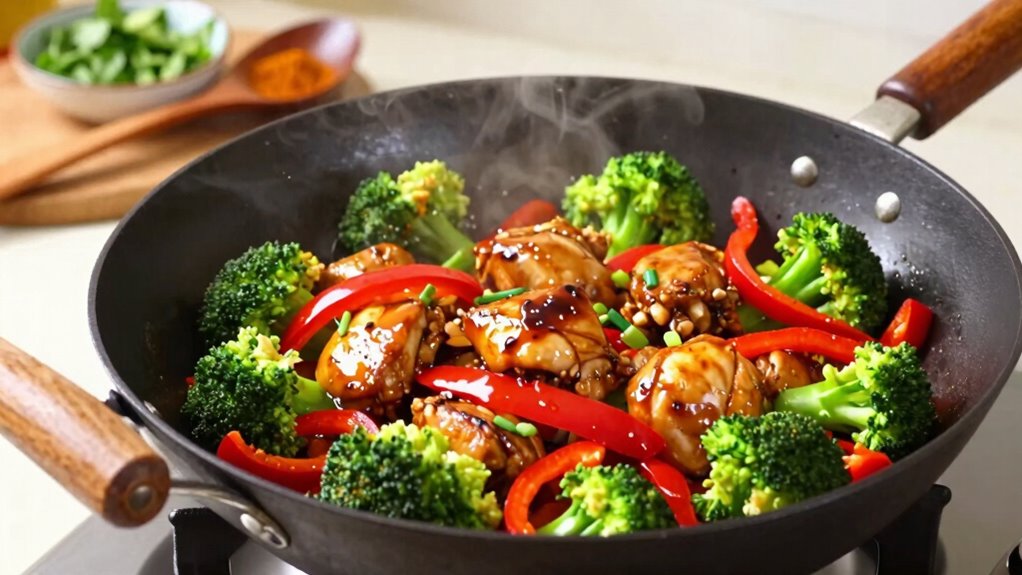
In today’s interconnected world, accessing diverse flavors from around the globe has never been easier. You can bring international cuisine right into your own kitchen with a simple shortcut: spice blends. These carefully crafted mixtures of herbs and spices instantly elevate your dishes, adding layers of complexity without the need for lengthy cooking processes or hard-to-find ingredients. Whether it’s a smoky curry powder, a fragrant za’atar, or a zingy jerk seasoning, spice blends serve as a quick passport to global flavors. They’re versatile and convenient, enabling you to experiment confidently with dishes from different cultures. Plus, they save you time, letting you skip individual spice measurements and focus on creating memorable meals.
But spice blends aren’t the only shortcut to exciting flavors. Fermentation techniques offer another powerful way to transform your cooking. Fermentation enhances depth and tang, bringing out umami-rich flavors that aren’t achievable through traditional cooking methods alone. Think of adding a splash of tangy kimchi juice or a dollop of tangy miso to your recipes—these ingredients unlock an entirely new flavor dimension. You don’t need to be a fermentation expert to incorporate these techniques; many fermented products are readily available, or you can experiment with simple at-home methods. For example, fermenting vegetables or dairy can develop complex flavors that make even everyday dishes stand out. These techniques also introduce beneficial probiotics, boosting your gut health while making your meals more interesting. Exploring biodiversity in your ingredients can further enhance your culinary options and support sustainable practices. Incorporating sustainable ingredients not only benefits the environment but also enriches your dishes with unique flavors and nutritional value.
Combining spice blends with fermentation techniques opens up a world of culinary possibilities. You might start by adding a dash of spiced kimchi to stir-fries or mixing a fermented chili paste into marinades. The fusion of smoky, spicy, and tangy elements can reinvent your approach to home cooking, giving you bold flavors with minimal effort. Incorporating a variety of fermented ingredients can also help diversify your diet and contribute to a balanced microbiome. Understanding how these techniques work together can deepen your appreciation for culinary innovation and inspire creative experimentation. This approach also allows you to explore authentic regional tastes without needing to travel or master complex recipes. Instead, you just need a few ingredients and a little curiosity. Over time, you’ll discover how these shortcuts can lead to new favorite dishes, impress guests, and keep your everyday meals exciting. Whether you’re looking to spice up a weeknight dinner or impress at your next gathering, embracing spice blends and fermentation techniques makes your culinary journey richer and more flavorful—without the hassle.
international spice blends for cooking
As an affiliate, we earn on qualifying purchases.
As an affiliate, we earn on qualifying purchases.
Frequently Asked Questions
Which Global Flavor Shortcut Is Easiest for Beginners to Use?
You’ll find soy sauce to be the easiest global flavor shortcut for beginners. It offers cultural authenticity in dishes like stir-fries and marinades, instantly elevating flavors. Plus, soy sauce provides flavor versatility—use it in salads, rice, or even soups. Its simple, familiar taste makes it accessible for those new to international cooking, helping you create authentic, flavorful meals without complex techniques or ingredients.
Can These Shortcuts Replace Traditional Spices Completely?
Sure, these shortcuts can *try* to replace traditional spices, but don’t expect full flavor authenticity or true cultural adaptation. They’re great for quick, interesting dishes, but not for genuine regional taste. Think of them as a fun shortcut, not a complete replacement. If you want real flavor depth, you’ll still need the traditional spices, but these shortcuts definitely add a creative twist to your cooking adventures.
Are There Any Health Considerations With Using Global Flavor Shortcuts?
Using global flavor shortcuts can impact your health, especially if you’re mindful of nutritional impact and allergen concerns. Some mixes may contain added sodium or preservatives, so check labels carefully. Additionally, if you have allergies, confirm the ingredients don’t include common allergens like soy or gluten. Moderation and reading ingredient lists help you enjoy diverse flavors without compromising your health or risking allergic reactions.
How Long Do the Flavors Last in Cooked Dishes?
Sure, your flavors last about as long as a summer romance—roughly 24 to 48 hours, if you’re lucky. Flavor preservation depends on ingredients and storage, but generally, the shelf life of bold global flavors fades quickly once cooked. To keep that vibrant taste, enjoy your dish soon after preparing, and store leftovers properly. After all, no one wants their culinary adventure to turn into a flavor ghost town!
Can These Shortcuts Be Used in Vegetarian or Vegan Recipes?
Yes, these shortcuts work great in vegetarian or vegan recipes. You can use plant-based alternatives like soy sauce, tahini, or coconut aminos for depth of flavor. Flavor substitution options include miso paste or nutritional yeast to add umami. These ingredients seamlessly enhance plant-based dishes, making them more vibrant and satisfying without compromising your dietary choices. Just experiment with different options to find what best complements your recipes.
Conclusion
By adding just a pinch of global spices to your dishes, you can transform your home cooking into a vibrant culinary adventure. In fact, studies show that incorporating international flavors can increase meal excitement by up to 60%, making dinner something to look forward to every night. So next time you’re in the kitchen, take a flavorful shortcut—your taste buds will thank you for the journey around the world without ever leaving home.
NFL season / tailgating Picks
team gear
As an affiliate, we earn on qualifying purchases.