TL;DR

Get kitchen staples and gadgets delivered free — and shop member deals
- Fast, free delivery on millions of items
- Access to Prime Big Deal Days deals on October 6–7
- Prime Video, Amazon Music and more included
The right lunch box container makes meal prep easier, safer, and more eco-friendly. This article compares materials, design features, recent innovations, and offers practical tips to choose what’s best for you.
Imagine opening your lunch box and smelling that fresh, inviting aroma of your homemade meal. It’s a simple pleasure, but choosing the right container can make all the difference. Whether you’re packing for work, school, or a picnic, the container you pick impacts freshness, safety, and convenience.
In this guide, you’ll learn what to look for in lunch box meal prep containers—materials, design features, new tech, and how to pick the best one for your needs. Get ready to upgrade your lunch game and make meal prep a breeze.
Prioritize materials: glass and stainless steel are safest and most durable, but weigh weight and microwave needs.
Design features like compartments and leak-proof seals greatly improve packing convenience and spill prevention.
Recent innovations include eco-friendly, smart, and modular containers that adapt to modern lifestyles.
Choosing the right size depends on your meal type and portion preferences—small for snacks, large for full meals.
Proper cleaning and regular seal checks extend container lifespan and keep your food safe.
What Material Makes a Safe, Durable Lunch Container?
Choosing the right material is like picking the foundation of a sturdy house. Plastic, glass, stainless steel, and silicone all have their pros and cons. Plastic containers are lightweight and affordable—look for BPA-free options to avoid chemical leaching. Glass is tough, non-toxic, and microwave-safe, but heavier and prone to breaking if dropped. Stainless steel is incredibly durable and eco-friendly; it’s perfect for hot foods but can’t go into the microwave. Silicone containers are flexible, lightweight, and microwave-safe, ideal for snacks or cold meals.
For example, if you want a container that lasts years and keeps your food safe, stainless steel is often the best choice. But if you love reheating leftovers, glass or BPA-free plastic might suit you better.
stainless steel lunch box containers
As an affiliate, we earn on qualifying purchases.
As an affiliate, we earn on qualifying purchases.
How Do Design Features Boost Your Lunch Packing Game?
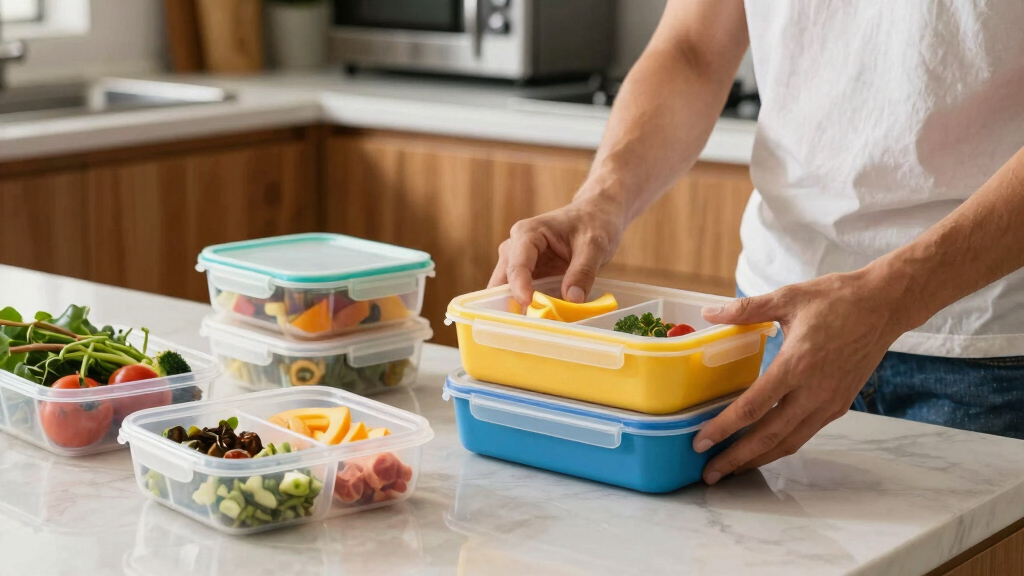
Design features can turn a good container into a great one. Compartments keep your foods separate—think of a divided tray holding crunchy veggies on one side and hummus on the other, no sogginess. Leak-proof lids prevent spills, perfect for sauces or dressings. Stackability saves space in your fridge or bag, while easy-to-clean surfaces make cleanup quick after a busy day.
Imagine packing a salad with dressing on the side, or stacking multiple containers in your bag without a mess. These little features make a big difference.
- Compartments for organized meals
- Leak-proof seals for liquids
- Stackable design for space-saving
- Dishwasher-safe for easy cleanup
- Portable, secure closures
What Are the Latest Innovations in Lunch Box Containers?
Recent developments focus on making meal prep even smarter and greener. Eco-friendly materials like biodegradable plastics and recycled stainless steel are on the rise. Some containers now include temperature indicators—think of a tiny strip that changes color if your food cools down or heats up beyond a safe range. Slimmer, ergonomic designs make packing and carrying easier. Improved sealing technology ensures spills stay sealed, even during bounces in your backpack.
One rising star: glass containers with silicone lids that are microwave-safe and durable, blending convenience with sustainability. Plus, modular sets let you customize your meal portions, perfect for varied diets or snack packs.
These innovations are not just about convenience—they address common issues like food safety, waste reduction, and portability. For example, temperature indicators help prevent unsafe eating, while eco-friendly materials reduce environmental impact. Modular sets allow for personalized meal planning, reducing food waste by providing exactly the right portion sizes. Such features demonstrate how modern containers are evolving to meet the needs of busy, eco-conscious consumers.
Comparison Table: Plastic, Glass, Stainless Steel — Which Is Best?
| Feature | Plastic | Glass | Stainless Steel |
|---|---|---|---|
| Durability | Lightweight, but can crack or warp under stress, especially with temperature changes, which affects longevity and reliability. | Very durable and resistant to scratches, but prone to shattering if dropped, requiring careful handling to ensure long-term use. | Almost indestructible and lasts forever, making it ideal for heavy daily use; however, it may dent if mishandled, which doesn’t compromise safety but affects appearance. |
| Safety | Must be BPA-free; hot liquids can cause chemical leaching if containers are not marked microwave-safe, making careful selection essential for health. | Non-toxic and microwave-safe, ensuring safe reheating; however, glass can break if mishandled, which might pose safety risks if not carefully managed. | Non-toxic, highly durable, and naturally free of chemicals; but since it’s not microwave-safe, reheating requires transferring food to other containers, which can be inconvenient. |
| Weight | Light, making it ideal for portability and reducing strain on shoulders or bags. | Heavier, which can be a consideration for children or those carrying multiple containers. | Heavy, especially when full, so best for car trips or static storage rather than on-the-go use. |
| Leak-Proof | Depends on lid quality; high-quality silicone seals improve reliability, but lower-quality lids may leak, especially with liquids. | Usually very good, especially with secure, screw-on or snap-on lids, but always check seal integrity for liquids. | Excellent with proper seals; many models feature locking mechanisms that prevent leaks even during vigorous movement. |
| Eco-Friendly | Recyclable, but durability varies; frequent replacement due to damage can lead to waste. Choosing high-quality plastics extends lifespan. | Recyclable and eco-friendly; glass is reusable and reduces waste but requires energy for production and recycling. | Highly eco-friendly, reusable forever, and requires minimal maintenance; its durability means fewer replacements and less waste over time. |
This table helps you weigh the trade-offs—plastic for lightness, glass for safety, steel for toughness—and understand the implications of each choice on your lifestyle and environmental impact.
How to Pick the Perfect Lunch Container for Your Needs
Follow this step-by-step to find your match:
- Determine what you’ll pack most often—salads, hot meals, snacks? Recognizing your primary use helps narrow down features like insulation, size, and material.
- Consider your priority—lightweight for portability, eco-friendly for sustainability, microwave-safe for reheating? Understanding what matters most guides your choice and balances trade-offs.
- Check for leak-proof features if you pack liquids or sauces. Reliable seals prevent messes and protect other items in your bag, which is crucial for maintaining food safety and cleanliness.
- Match the size to your typical meal portion—small for snacks, larger for full meals. Overly large containers can lead to food waste, while too small may not hold enough.
- Read reviews—durability and ease of cleaning matter. Real-world feedback can reveal hidden issues or advantages not apparent from product descriptions.
For example, if you prepare salads daily, a glass container with a leak-proof silicone lid could be perfect because it maintains freshness and prevents leaks. For hot lunches, stainless steel might be better, even if it’s heavier, because it retains heat longer and is extremely durable.
Maintaining Your Containers for Longevity and Safety
Proper care is essential to keep your lunch boxes safe and functional over years of use. Regularly cleaning and inspecting your containers prevents bacterial buildup and ensures they perform well. Most containers are dishwasher safe, but always check the label—high heat or harsh detergents can degrade certain materials over time.
Hand washing silicone or wood parts with mild soap can extend their lifespan, as these materials are more sensitive to high temperatures or abrasive cleaners. Avoid microwaving plastic containers that aren’t marked microwave-safe because chemicals can leach into your food, posing health risks. Regularly inspect seals and replace them if they crack, warp, or lose elasticity—compromised seals can lead to leaks and contamination, undermining safety and convenience.
Picture this: a set of glass containers you’ve used daily for three years, still looking new because you rinse them gently, avoid abrasive scrubbers, and replace seals when needed. Proper maintenance not only prolongs their life but also ensures your food remains safe and fresh, preventing mold or bacterial growth that can occur with neglect.
Frequently Asked Questions
What material is safest for food storage?
BPA-free plastics, glass, and stainless steel are the safest choices. They won’t leach harmful chemicals and are durable enough for daily use.
Are these containers microwave-safe?
Many are, especially glass and certain plastics. Always check the manufacturer’s label to confirm microwave safety before reheating.
How do I clean and maintain these containers?
Most are dishwasher safe, but hand wash silicone or wood parts. Regularly inspect seals and replace if damaged to prevent leaks and ensure safety.
What size container should I choose?
Pick a size based on your typical meal—small for snacks, larger for full meals. Modular sets can help customize for different days or appetites.
Are leak-proof containers truly leak-proof?
High-quality containers with silicone seals and secure lids are reliable, but no container is completely foolproof. Always check seal integrity before packing liquids.
Conclusion
Picking the perfect lunch box container isn’t just about style; it’s about safety, convenience, and sustainability. The right choice makes meal prep simpler and more enjoyable, turning your lunch into a moment of nourishment and delight.
Next time you pack your bag, consider the materials, features, and innovations that best fit your routine. Your lunch—and your planet—will thank you.
Fall Picks
fall essentials
As an affiliate, we earn on qualifying purchases.