Indian idli and sambar are traditional breakfast favorites made from fermented rice and urad dal batter, which gives them their fluffy, tangy texture. The fermentation process relies on natural bacteria and yeast, developing flavors and lightness in the cakes. Regional differences, like climate and ingredients, influence fermentation times and flavors. When you serve these steamed idlis with sambar, a spicy lentil stew, you’ll experience authentic Indian flavors that vary across regions—explore further to discover the diverse traditions behind this beloved dish.
Key Takeaways
- Idli is a steamed, fermented rice and urad dal cake, popular as a nutritious Indian breakfast.
- Fermentation creates light, fluffy texture and tangy flavor, essential for authentic idli.
- Regional variations influence fermentation time, ingredients, and methods, affecting flavor and texture.
- Served with sambar—a spicy lentil stew with tamarind and vegetables—adding flavor and nutrition.
- Proper fermentation and regional techniques are key to achieving the perfect idli and sambar combination.
Have you ever wondered why Indian Idli and Sambar are such beloved staples across South India? The answer lies in their unique preparation, especially the fermentation process that gives them their distinctive texture and flavor. When you make idli, you start by soaking rice and split urad dal (black gram) separately, then grinding them into a smooth batter. After mixing, you allow the batter to ferment overnight. During fermentation, naturally occurring bacteria and yeast convert the sugars into carbon dioxide, causing the batter to rise and develop a light, airy texture. This process is essential because it not only softens the idlis but also enhances their digestibility and flavor. The fermentation process varies across regions, influenced by local climate, ingredients, and traditional methods. For instance, in coastal areas with higher humidity, fermentation tends to be quicker, often completing within eight hours, whereas in drier inland regions, it may take longer. Some communities even add a pinch of fenugreek seeds to improve fermentation and flavor, showcasing regional variations that make each style unique. Additionally, proper temperature control during fermentation is crucial for consistent results.
Your experience with idli can differ based on these regional nuances. In some places, the batter is left to ferment at room temperature, while in others, it’s stored in a warm spot or even in a warm climate, which speeds up the process. The regional variations extend beyond fermentation to the ingredients, with some areas using slightly different rice varieties or adding a bit of flattened rice (poha) or cooked rice to achieve distinct textures. These subtle differences reflect local tastes and available resources, and they contribute to the rich diversity of South Indian cuisine.
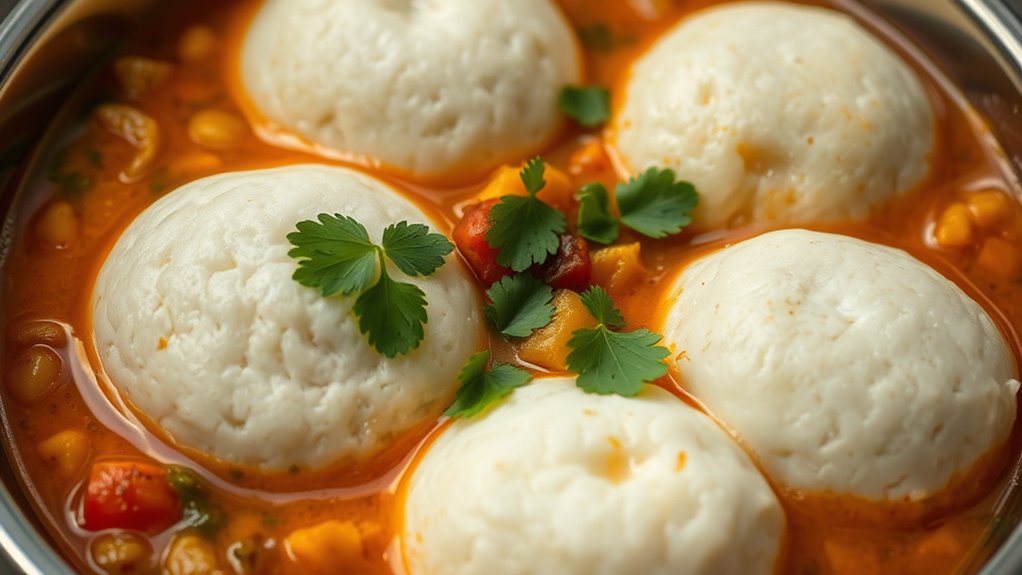
When you’re ready to serve, the fermented batter is poured into molds and steamed until fluffy. The result is a tender, moist, and slightly tangy cake that pairs beautifully with sambar—a spicy, flavorful lentil stew infused with tamarind, vegetables, and a blend of spices. Sambar itself is a proof to regional variation, with ingredients and spice blends differing from one area to another, yet always complementing the idli perfectly. This harmony between the fermented rice cakes and the tangy, spicy sambar is what makes the breakfast both comforting and vibrant. Proper fermentation temperature significantly impacts the quality of the idli, making it an essential step in the process. So, next time you enjoy an idli and sambar, remember that the secret lies not just in the ingredients but in the careful fermentation process and the regional traditions that shape their unique flavors.
Top picks for "indian idli sambar"
Open Amazon search results for this keyword.
As an affiliate, we earn on qualifying purchases.
Frequently Asked Questions
Can Idli Batter Be Stored Overnight Without Spoiling?
Yes, you can store idli batter overnight without spoiling if you keep it refrigerated. Proper fermentation is key, so make sure the batter is well-fermented before storing. Use an airtight container to maintain freshness and prevent contamination. When stored safely in the refrigerator, the batter can last up to 24 hours. Just give it a gentle stir before use, and avoid keeping it too long to prevent spoilage or off-flavors.
What Are the Traditional Variations of Sambar Across India?
Think of sambar as a vibrant tapestry woven with regional flavors and ingredient variations. Across India, you’ll find diverse styles—from Tamil Nadu’s spicy, coconut-infused sambar to Karnataka’s tangy, vegetable-rich versions, and Andhra Pradesh’s fiery, mustard seed-laden variety. Each region adds its unique touch, using local ingredients and spices, creating a rich mosaic that reflects local culture and tastes. Exploring these variations lets you taste India’s culinary diversity firsthand.
How Do You Make Gluten-Free Idli Without Rice?
To make gluten-free idli without rice, you can use gluten-free flours like millet, buckwheat, or sorghum. Mix the flours with yogurt or water, and use fermentation techniques by leaving the batter in a warm place for 8-12 hours. Once fermented, pour the batter into idli molds and steam until fluffy. This method guarantees soft, tasty idlis without rice or gluten.
Is There a Vegan Alternative to Traditional Sambar Ingredients?
Yes, you can make vegan sambar using plant-based ingredients. Replace traditional lentils with yellow split peas or tofu for protein. Use vegetables like carrots, potatoes, and tomatoes, and season with turmeric, cumin, and coriander. Skip ghee and add coconut oil or vegetable oil instead. This vegan sambar maintains the rich flavors and hearty texture, making it a delicious, plant-based alternative perfect for your gluten-free, dairy-free breakfast.
What Are the Nutritional Benefits of Eating Idli Regularly?
Eating idli regularly offers you impressive nutritional advantages and health benefits. This light, steamed delicacy is low in calories and rich in protein, helping you stay full longer. Its fermentation process boosts digestion and promotes gut health. Plus, idli provides essential vitamins and minerals, supporting overall well-being. Incorporating idli into your diet can be a delicious way to nurture your body and enhance your daily nutrition naturally.
Conclusion
As you savor the soft, steamed idlis paired with tangy sambar, you experience a comforting tradition rooted in fermentation and flavor. The simplicity of these rice cakes contrasts beautifully with the complexity of the spices and lentils in the sambar. This harmony of textures and tastes reminds you that sometimes, the most humble ingredients can create the most memorable breakfast, blending history and culture into every bite, awakening your senses and spirit alike.