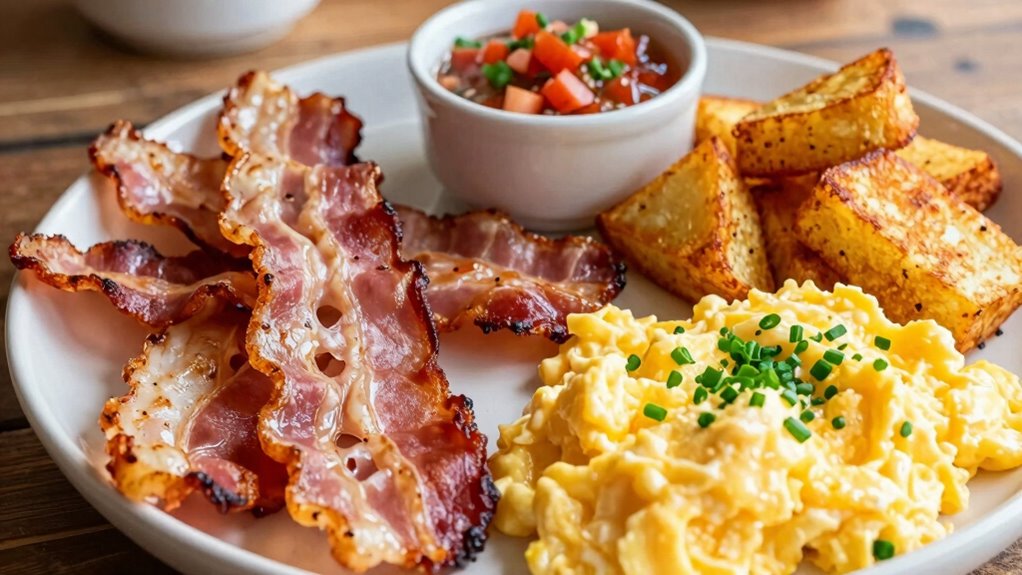

Savory breakfasts deserve more respect because they offer a wider range of flavors, cultural richness, and lasting energy. You get to enjoy hearty ingredients like eggs, meats, vegetables, and cheeses that satisfy and fuel you longer than sweet options. These dishes showcase diverse culinary traditions and techniques, deepening your appreciation for global cuisines. If you keep exploring, you’ll discover even more reasons why savory breakfasts can transform your mornings with flavor and meaning.

Get kitchen staples and gadgets delivered free — and shop member deals
- Fast, free delivery on millions of items
- Access to Prime Big Deal Days deals on October 6–7
- Prime Video, Amazon Music and more included
Key Takeaways
- Savory breakfasts offer complex flavors and diverse ingredients that provide sustained energy and satisfy palate needs better than sweet options.
- They reflect rich cultural traditions, promoting culinary diversity and cultural appreciation through traditional techniques.
- Savory meals tend to be more nutrient-dense, incorporating proteins, vegetables, and healthy fats for balanced nutrition.
- Their hearty nature makes them more filling and long-lasting, supporting productivity and focus throughout the day.
- Emphasizing savory options honors global culinary heritage, enriching breakfast culture beyond the commonly favored sweet dishes.
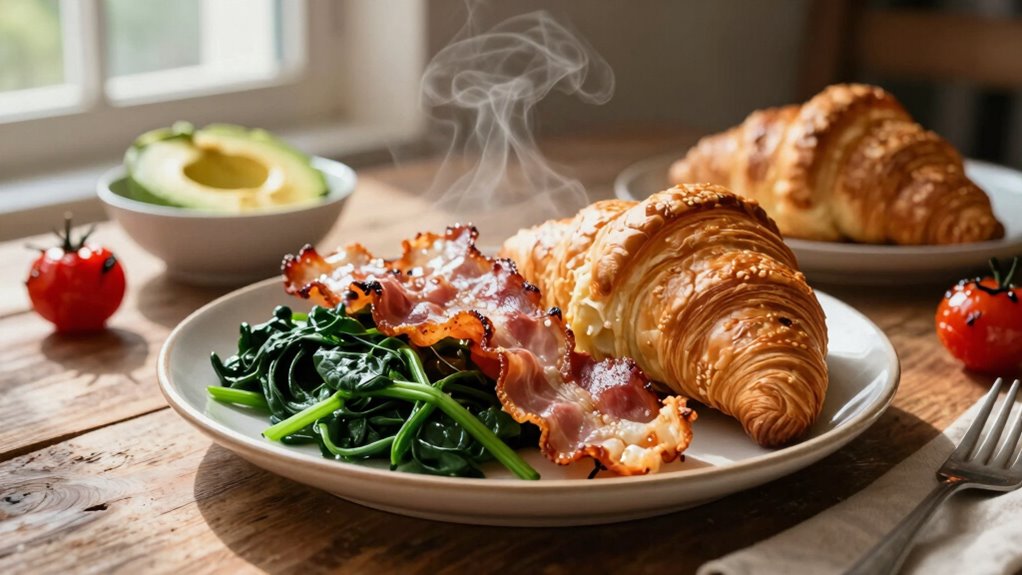
Many people tend to overlook savory breakfasts in favor of sweeter options, but they deserve much more recognition. While pancakes, waffles, and pastries dominate morning menus, savory dishes hold a rich history rooted in breakfast traditions across cultures. These traditions often highlight hearty, flavorful meals that set the tone for a productive day. When you think about breakfast, it’s easy to picture syrup-covered waffles, but exploring savory options reveals a world of complex flavor profiles that can be just as satisfying, if not more so. They often incorporate ingredients like eggs, cheese, meats, and vegetables, creating a balanced combination of textures and tastes that energize you long after the meal ends.
Savory breakfasts offer rich, cultural flavors and hearty ingredients that energize and satisfy beyond sweet options.
The flavor profiles of savory breakfasts are diverse and dynamic. They range from smoky and spicy to tangy and umami-rich, offering a depth that sweet breakfasts rarely match. For example, a simple breakfast of scrambled eggs seasoned with herbs can provide a comforting, mild flavor, but when you add crispy bacon, sautéed spinach, or a dash of hot sauce, it transforms into a bold, memorable experience. These dishes allow you to appreciate the nuanced interplay of salty, savory, and spicy notes. Unlike sweet breakfasts, which often rely on sugar as the primary flavor enhancer, savory dishes emphasize seasoning, herbs, and spices that develop more complex tastes as they’re cooked. Exploring traditional breakfast dishes broadens your appreciation for these flavorful options and highlights how different cultures celebrate savory flavors. Recognizing the culinary techniques involved in crafting these dishes can deepen your understanding of global cooking methods.
Choosing savory breakfasts also means embracing a broader variety of ingredients, which can make your mornings more interesting. You might start with a classic eggs Benedict, enjoy a spicy breakfast burrito, or indulge in a flaky, cheese-filled croissant. Each of these options reflects distinct breakfast traditions worldwide, from the Mediterranean shakshuka to the hearty English full English breakfast. These traditions emphasize the importance of flavors that satisfy and sustain, rather than merely sweetening the start of your day. Additionally, many savory breakfasts incorporate cultural influences, enriching your understanding of global culinary practices and their significance. Incorporating savory breakfast classics into your routine can introduce you to a rich tapestry of flavors and culinary techniques from around the world. When you shift your focus to savory options, you open up a world of culinary possibilities that can suit any mood or taste preference.
In the end, savory breakfasts deserve more respect because they honor diverse culinary traditions and offer richer flavor profiles that can elevate your morning routine. They provide a hearty, satisfying start that fuels you longer and stimulates your palate in ways sweet breakfasts often don’t. Exploring culinary traditions related to savory breakfast foods can deepen your appreciation for their cultural significance. By exploring these options, you not only diversify your diet but also connect with a broader cultural history of breakfast foods. Savory breakfasts aren’t just an alternative—they’re a celebration of taste, tradition, and nourishment that can make every morning more flavorful and fulfilling.
savory breakfast egg muffin cups
As an affiliate, we earn on qualifying purchases.
As an affiliate, we earn on qualifying purchases.
Frequently Asked Questions
Are Savory Breakfasts Suitable for All Dietary Preferences?
Yes, savory breakfasts are suitable for all dietary preferences. You can find vegetarian options like veggie omelets and avocado toast, and gluten-free alternatives such as scrambled eggs with vegetables or gluten-free breakfast meats. These dishes cater to various needs, making savory options versatile and inclusive. By choosing thoughtfully prepared savory breakfasts, you guarantee everyone in your group enjoys a satisfying, balanced meal that respects their dietary choices.
How Can I Make Savory Breakfasts More Appealing to Kids?
You can make savory breakfasts more appealing to kids by using fun presentation techniques like colorful plating or creative shapes. Juxtapose familiar favorites with new flavor combinations—think cheesy egg muffins with veggie faces or mini breakfast pizzas. Adding a touch of sweetness or fun toppings can balance flavors and boost interest. Engaging their curiosity and making meals visually exciting encourages kids to try and enjoy savory options.
What Are Some Common Regional Savory Breakfast Dishes Worldwide?
You’ll find regional flavors shine in breakfast traditions worldwide, showcasing diverse savory dishes. In Japan, you might enjoy tamagoyaki or grilled fish with rice. In Mexico, chilaquiles or huevos rancheros are popular. France offers croque monsieur, while the UK serves a hearty full English breakfast. India features dosas or masala omelets, and the Middle East favors shakshuka. These dishes highlight unique flavors and cultural history, deserving respect and exploration.
Do Savory Breakfasts Require More Preparation Time Than Sweet Ones?
Savory breakfasts often require more preparation time than sweet ones due to timing considerations and ingredient variety. You might need to chop vegetables, cook meats, or prepare sauces, which extend the process. Meanwhile, sweet breakfasts like cereal or fruit take less time since they involve minimal prep. However, if you plan ahead, you can streamline savory dishes, making their preparation more manageable and worthwhile for a hearty start to your day.
Can Savory Breakfasts Be Easily Incorporated Into Meal Prep Routines?
Did you know 80% of people who meal prep stick to healthier choices? Savory breakfasts can easily fit into your routine with simple meal prep tips like batch-cooking eggs, bacon, or veggie-filled frittatas. Use ingredient substitutions such as cauliflower rice instead of potatoes or turkey bacon for variety. Prep ahead on weekends or evenings, then just reheat and enjoy—saving time while enjoying nutritious, satisfying meals every morning.
Conclusion
Next time you reach for a sweet breakfast, consider trying savory instead. Not only are savory options more filling and satisfying, but they also pack a punch of flavor that keeps you going longer. Some say our ancestors preferred savory dishes because they provided essential nutrients. Maybe it’s time to give savory breakfasts the respect they deserve—you might find they become your new favorite way to start the day. Give it a shot; your taste buds will thank you.
Fall Picks
fall essentials
As an affiliate, we earn on qualifying purchases.