
To fix a dessert that tastes one-note fast, add contrasting flavors and textures. Incorporate elements like chocolate, nuts, or dried fruits to bring variety and richness. Crunchy toppings or crispy cookie crumbles can break up uniform textures, creating excitement with each bite. Balancing sweetness with a hint of tartness or salt can also enhance the overall taste. Keep experimenting with these simple tricks, and you’ll discover even more ways to elevate your desserts effectively.

Get kitchen staples and gadgets delivered free with Prime
- Fast, free delivery on millions of items
- Prime Video, Amazon Music and more included
- Member-only deals all year
Key Takeaways
- Add a contrasting flavor, like a splash of citrus or a touch of spice, to instantly diversify taste.
- Incorporate texture variety with crunchy nuts, crispy toppings, or chewy dried fruits for sensory interest.
- Drizzle with bittersweet chocolate or cocoa to deepen flavor and balance sweetness.
- Use fresh herbs or zest to introduce bright, unexpected flavor notes.
- Mix in a complementary ingredient, such as salted caramel or tangy berries, to enhance overall complexity.
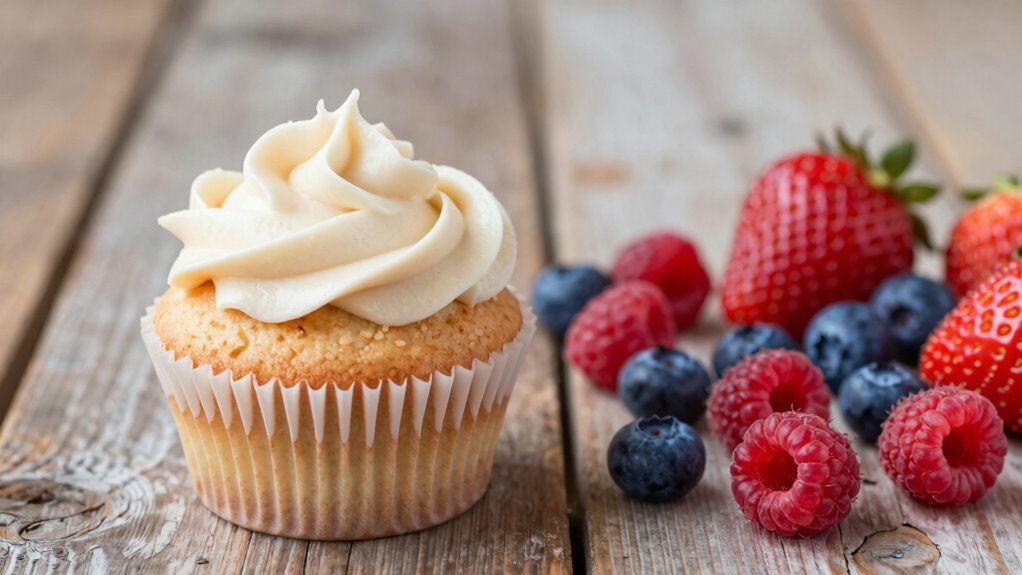
Sometimes, desserts can be surprisingly one-dimensional, offering only a single dominant flavor without much complexity or balance. If you’ve ever bitten into an overly sweet cake or a monotonous pudding, you know how quickly that one-note sensation can dull your enthusiasm. The quickest fix to elevate these flat treats is to introduce contrasting elements that bring out new flavors and textures, making each bite more engaging.
One effective way to do this is through strategic chocolate pairings. Adding a splash of dark chocolate, cocoa nibs, or a drizzle of bittersweet chocolate can deepen the flavor profile instantly. Chocolate often acts as a flavor enhancer, balancing overly sweet or bland desserts and adding a layer of richness. When paired thoughtfully, it can turn a plain vanilla pudding into a decadent experience or elevate a basic fruit tart from simple to sublime. The key is to choose chocolates with different cocoa intensities; a sharp, dark chocolate contrasts beautifully with sweeter or milder desserts, creating a more complex flavor interplay that keeps your palate interested.
Beyond flavor, texture variations are equally essential. When a dessert is too uniform—say, a cake that’s dense and chewy or a mousse with a single creamy mouthfeel—adding diverse textures can make all the difference. Think about incorporating crunchy nuts, crispy cookie crumbles, or chewy dried fruits. These elements provide a satisfying contrast to softer components, preventing your dessert from feeling dull or monotonous. For example, sprinkling toasted almonds over a smooth pudding introduces a delightful crunch, giving your taste buds something new to explore with every spoonful. Texture variation doesn’t just add excitement; they also help to highlight the primary flavors by providing a physical counterpoint that enhances the overall experience. Incorporating flavor balancing techniques can further elevate your dessert game, ensuring a well-rounded and memorable treat. Additionally, experimenting with complementary flavors can open up new avenues for flavor harmony, enriching the dessert’s complexity. Incorporating balance techniques can help achieve a more harmonious and satisfying flavor profile.
As an affiliate, we earn on qualifying purchases.
Frequently Asked Questions
How Can I Prevent Desserts From Becoming One-Note in Flavor?
To prevent desserts from becoming one-note, you should balance flavors by adding sweet spice and citrus zest. Incorporate cinnamon, nutmeg, or cardamom for warmth, and brighten the dish with lemon or orange zest. These elements create complexity and contrast, making each bite more interesting. Use them thoughtfully—too much can overpower—so you enhance, rather than mask, your dessert’s natural flavors.
What Ingredients Help Add Complexity to Simple Desserts?
You can turn a simple dessert into a flavor symphony by adding ingredients that create seasoning enhancements and ingredient layering. Think spices like cinnamon, cardamom, or a splash of sea salt, which amplify sweetness and add depth. Incorporate textures with nuts, fruit zest, or herbs. These elements work together to build complexity, making your dessert as vibrant and intricate as a tapestry, enthralling your taste buds at every bite.
Are There Specific Techniques to Balance Flavors in Desserts?
To balance flavors in desserts, you should focus on flavor layering and ingredient pairing. Start by combining contrasting elements like sweet and tart or spicy and creamy to create depth. Use ingredient pairing to enhance or mellow specific flavors, ensuring no single note dominates. Tasting as you go helps you adjust, blending flavors seamlessly. This approach keeps your dessert interesting and well-rounded, preventing it from tasting one-note.
How Does Presentation Affect Perceived Flavor Richness?
Presentation acts like a painter’s palette, transforming your dessert into a visual masterpiece. Color contrast and plating techniques create a symphony of hues and shapes that lure the eye. When your dessert looks vibrant and thoughtfully arranged, it elevates perceived flavor richness, making each bite feel more indulgent. So, you’re not just serving dessert—you’re crafting an experience that excites the senses before the first taste, amplifying its flavor complexity.
Can Adjusting Textures Enhance Flavor Variety in Desserts?
Adjusting textures can markedly enhance flavor variety in desserts by creating contrast and encouraging flavor layering. When you add elements like crunch, creaminess, or softness, you stimulate your palate and make each bite more interesting. This variation keeps your taste buds engaged, allowing different flavors to shine through and complement each other. By thoughtfully balancing textures, you turn a simple dessert into a more complex, enjoyable experience that feels richer and more satisfying.
Conclusion
Next time your dessert feels flat, think of it like a symphony missing a few instruments—you just need to add a splash of salt or a hint of spice to bring everything into harmony. I once whipped up a simple chocolate mousse, only to realize a pinch of sea salt transformed it from dull to divine. Remember, a tiny tweak can turn one-note treats into memorable melodies your taste buds will thank you for.
Fall Picks
fall essentials
As an affiliate, we earn on qualifying purchases.