
The temperature of your dessert greatly impacts its flavor in ways you might not realize. Cold temperatures dull delicate flavors and amplify sweetness, while warming enhances aromatic compounds and makes flavors feel richer. Cold desserts provide smooth textures and sharpen certain tastes, but warming causes fats to melt and sugars to dissolve, deepening the flavor. Understanding how temperature influences both taste and texture can transform your dessert experience—keep going to discover more on how to elevate your enjoyment.

Get kitchen staples and gadgets delivered free with Prime
- Fast, free delivery on millions of items
- Prime Video, Amazon Music and more included
- Member-only deals all year
Key Takeaways
- Temperature affects flavor perception by altering how taste buds interpret sweetness and aromatic compounds.
- Warming desserts releases more aromatic compounds, deepening and expanding flavor profiles.
- Cold temperatures dull delicate flavors but enhance sweetness and contrast, changing overall taste experience.
- Texture changes with temperature influence flavor release and perception, making desserts taste richer or more refined.
- Small temperature adjustments can significantly modify both flavor intensity and sensory enjoyment.
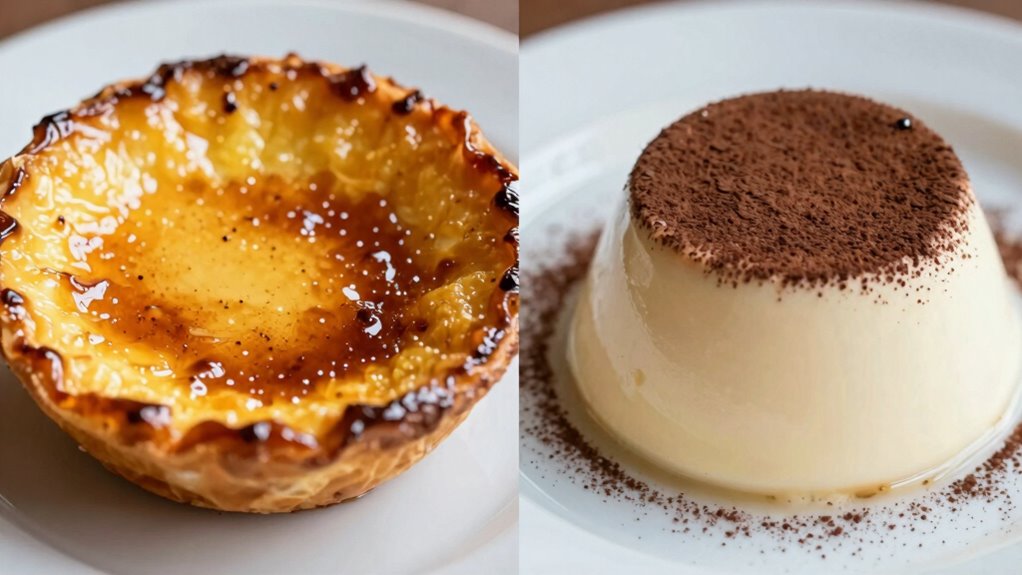
When it comes to dessert, temperature plays a vital role in shaping the overall flavor experience. The way a dessert feels on your palate can dramatically alter how you perceive its sweetness, richness, or subtlety. Think about biting into a chilled scoop of ice cream. Its cold sensation immediately cools your mouth, dulling some of the more delicate flavors and intensifying others. This cold temperature often enhances the sweet texture, making it feel more immediate and satisfying. Conversely, when a dessert warms up, its flavors become more pronounced, and the texture can shift from silky to gooey or crumbly, changing your entire perception.
You might notice that a cold dessert like sorbet has a sharper, more refreshing taste, whereas room temperature or warm desserts tend to reveal deeper, more complex flavors. This is because temperature influences how your taste buds interpret different sensations. Cold desserts tend to suppress certain flavors while amplifying others, particularly sweetness. That cold sensation slows down your taste receptors, making the sweetness seem more concentrated and immediate. On the other hand, warming a dessert allows the flavors to open up, releasing aromatic compounds and making the overall flavor feel richer and more layered. This is why a warm brownie might taste more decadent than a chilled one, even if they contain the same ingredients.
Your perception of texture also shifts with temperature. When a dessert is cold, it often develops a smooth, firm, and sometimes even velvety sweet texture that can feel almost like a treat in itself. The cold sensation heightens the contrast between the dessert and your warm mouth, making every bite feel more intense. When that same dessert warms, the texture may become softer or gooier, which can change the way flavors are released and felt. The warmth allows fats to melt and sugars to dissolve more readily, enhancing the flavor release, and intensifying the overall flavor profile. Additionally, understanding how temperature influences flavor perception can help you better appreciate and tailor your dessert experience. Recognizing the impact of temperature on flavor is a fundamental aspect of sensory perception.
Moreover, the interaction between temperature and ingredients can amplify or diminish certain qualities, making the choice of serving temperature a key factor in culinary presentation. In essence, temperature doesn’t just affect how a dessert feels; it influences how you perceive its flavor at a fundamental level. Cold can sharpen certain tastes, especially sweetness, while warmth can deepen and broaden the flavor spectrum. So, next time you enjoy a dessert, pay attention to its temperature—small changes can lead to surprisingly different flavor experiences. Your taste buds respond dynamically, and understanding this simple concept can elevate your enjoyment of every sweet treat.
dessert serving temperature thermometer
As an affiliate, we earn on qualifying purchases.
As an affiliate, we earn on qualifying purchases.
Frequently Asked Questions
How Does Temperature Affect Dessert Texture?
Temperature carefully influences dessert texture by affecting how ingredients interact. When you modify the temperature, you impact flavor diffusion and how the dessert sets or melts. For example, cold temperatures make mousse firm, while warmth softens it. Desserts are highly temperature sensitive, so even slight changes can alter the texture profoundly. You’ll notice that controlling temperature guarantees your dessert maintains its ideal consistency, enhancing both texture and flavor experience.
Can Serving Temperature Alter Dessert Shelf Life?
Imagine your dessert as a delicate dancer, its performance affected by the stage’s temperature. Serving it too warm or cold can shorten its shelf life, causing spoilage or texture loss. To extend freshness, follow proper storage techniques and consider pairing suggestions that complement each temperature. Keeping desserts at ideal temperatures preserves their charm longer, ensuring every bite remains delightful and your dessert stays beautiful on the shelf.
Do Different Desserts Respond Uniquely to Temperature Changes?
Yes, different desserts respond uniquely to temperature changes. For example, chocolate melting occurs quickly if it’s too warm, affecting texture and flavor, while fruit freshness can diminish if stored at high temperatures. You’ll notice that delicate desserts like mousses or custards are more sensitive than denser treats like cookies. Adjusting serving or storage temperatures helps preserve their original flavors and textures, ensuring you enjoy them at their best.
How Quickly Does Flavor Change With Temperature Shifts?
Ever notice how your dessert’s flavor shifts almost instantly with temperature changes? Flavor stability varies greatly depending on the dessert, but generally, taste can change within seconds to minutes as temperature sensitivity kicks in. You might wonder, does that mean the way you serve it affects its flavor? Absolutely. Quick shifts in temperature can amplify or mute flavors, making timing essential to enjoy the dessert at its best.
Is There an Ideal Temperature for Tasting Desserts?
The ideal temperature for tasting desserts is around room temperature or slightly chilled, depending on the dessert. This enhances flavor perception and allows you to fully enjoy the nuances. When desserts are too cold, flavor enhancement diminishes, and certain tastes can become muted. Conversely, if they’re too warm, sweetness and aroma intensify. Finding this balance maximizes flavor perception and guarantees you experience the dessert’s true depth.
Conclusion
Just like a delicate musical instrument, your dessert’s flavor resonates differently at various temperatures. When you let it warm, it’s as if the notes become richer and fuller, revealing hidden depths. Chill it down, and the tune softens, whispering secrets you might miss. So, next time you indulge, think of your dessert as a symphony—its flavor changing with the temperature, inviting you to enjoy every note in this delicious, sensory journey.
Halloween Picks
halloween
As an affiliate, we earn on qualifying purchases.