
Focusing on texture contrast in your desserts creates a more engaging and memorable experience than simply adding more toppings. By combining smooth, crunchy, and creamy elements, you awaken the senses and encourage people to savor each bite. Thoughtful textures make your desserts look more appealing and feel more refined. Instead of cluttering, strategic contrasts surprise and satisfy. Keep exploring this balance, and you’ll discover how mastering texture makes your treats truly stand out.

Get kitchen staples and gadgets delivered free — and shop member deals
- Fast, free delivery on millions of items
- Access to Prime Big Deal Days deals on October 6–7
- Prime Video, Amazon Music and more included
Key Takeaways
- Texture contrast enhances sensory interest, making desserts more memorable without overwhelming with excess toppings.
- Skillful pairing of textures creates harmony and depth, elevating the dessert’s overall experience.
- Focused texture design highlights craftsmanship and attention to detail, rather than relying on quantity.
- Visual and tactile variety from contrasting textures invites a more engaging and dynamic tasting journey.
- Overloading with toppings can mask flavors and textures, while strategic contrast emphasizes quality and balance.
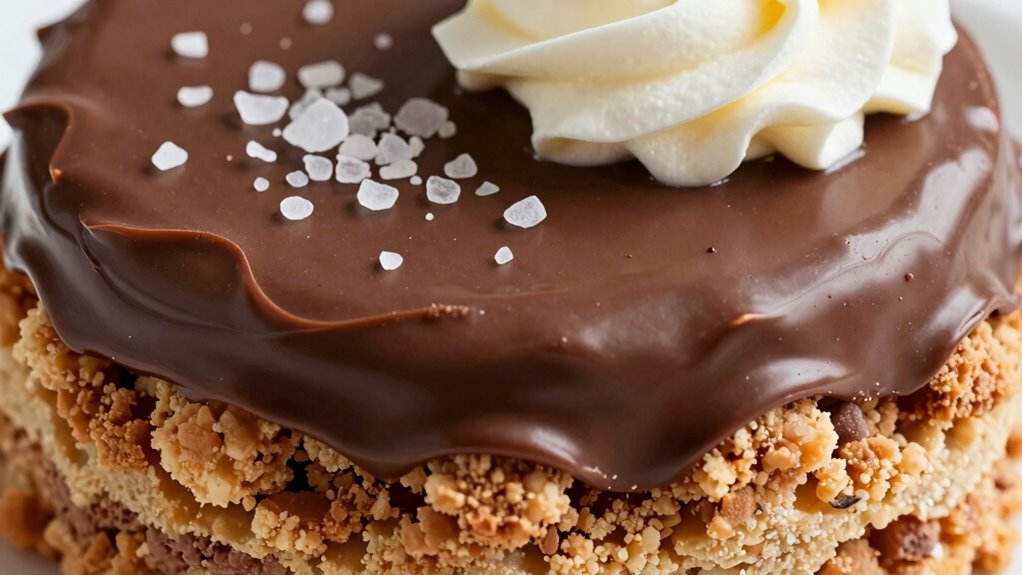
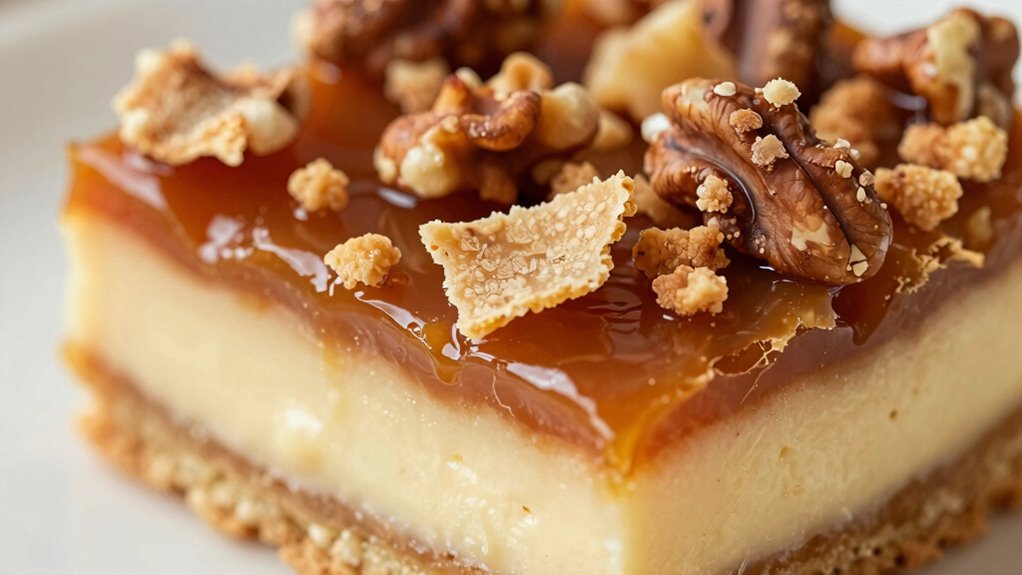
Texture contrast is a key element that elevates desserts from good to unforgettable. When you pay attention to how different textures interact, you create a sensory experience that keeps people talking long after the last bite. Instead of piling on more toppings, focus on designing a dessert where each component offers a unique mouthfeel. Think about the crunch of a brittle, the creaminess of a mousse, or the chewiness of a caramel. These contrasts make each bite interesting, engaging your palate and encouraging savoring rather than rushing through.
Texture contrast transforms desserts into memorable, engaging experiences through thoughtfully crafted mouthfeel combinations.
Incorporating thoughtful chocolate pairings can amplify the impact of your texture choices. For example, pairing a smooth ganache with a crisp cookie or a velvety mousse with a crunchy nut topping creates a layered experience. You can also experiment with different types of chocolates—dark, milk, or even white—to add depth. The key is to contrast the silky texture of melted chocolate with something more substantial or crispy, which heightens the overall sensory pleasure. When you choose your chocolate pairings wisely, the textures complement each other rather than compete, making each element stand out more vividly.
Presentation techniques also play a vital role in emphasizing texture contrast. How you plate your dessert can accentuate the differences in texture, making them more apparent and appealing. Use height and layering to showcase the variety—stacking elements or creating visual contrasts with colors and shapes guides the eye and hints at the tactile experience inside. For instance, a quenelle of cream next to a crunchy tuile or a glossy fruit compote draped over a crumbly cake instantly signals the contrasting textures you’ve crafted. When you pay attention to presentation, you invite your guests to anticipate a dynamic tasting journey, not just a collection of flavors. Incorporating biodiversity, which encourages a variety of ingredients and techniques, can also inspire more innovative and harmonious texture combinations.
Ultimately, what makes texture contrast more compelling than simply adding more toppings is its ability to surprise and satisfy. More toppings can sometimes clutter a plate or mask the inherent qualities of the dessert. Instead, strategically selecting and balancing textures creates harmony and excitement. Paying attention to sensory experience can enhance the overall enjoyment and make your desserts stand out. Additionally, understanding the science of textures can help you craft more effective and delightful contrasts. When you master this approach, you turn a simple treat into a memorable experience, encouraging your guests to appreciate the craftsmanship behind each bite. It’s not about overloading with extras; it’s about thoughtfully designing every element so that the textures work together—delivering a dessert that’s rich, refined, and truly unforgettable.
As an affiliate, we earn on qualifying purchases.
Frequently Asked Questions
How Does Texture Contrast Affect Dessert Enjoyment?
Texture contrast enhances your dessert experience by creating a delightful interplay that keeps each bite interesting. You’ll notice how varying textures, like creamy, crunchy, or chewy, amplify flavor harmony and make the dessert more satisfying. This contrast also boosts visual appeal, making the dish look more inviting. By focusing on texture, you turn a simple treat into a memorable indulgence, elevating both taste and presentation.
Can Texture Contrast Compensate for Fewer Toppings?
Absolutely, texture contrast can make up for fewer toppings. You’ll find that when flavor harmony and temperature balance are spot-on, your dessert feels just right. Think of it like a well-choreographed dance—every element counts. By focusing on contrasting textures, like creamy and crunchy, you create a sensory experience that’s more satisfying than simply piling on toppings. It’s all about making each bite memorable, regardless of quantity.
What Are the Best Pairings for Texture Contrast?
For perfect texture contrast, you should pair creamy elements like custard with crunchy ones like toasted nuts or crisp cookies. Fresh fruits add a juicy, tender bite that balances richer textures. Focus on flavor harmony by combining sweet, tangy, and nutty notes, ensuring ingredient balance. These pairings create a delightful experience where each bite offers a satisfying variety of textures without overwhelming the palate.
Does Texture Contrast Influence Dessert Presentation?
Did you know that visual appeal influences 67% of dessert choices? Texture contrast markedly impacts presentation, as creamy textures draw the eye, while crispy contrasts add visual excitement. When you combine smooth and crunchy elements, your dessert becomes more enticing and sophisticated. This interplay not only elevates the dessert’s look but also enhances the eating experience, making it more memorable and appealing to your guests.
How Do Cultural Desserts Utilize Texture Contrast?
Cultural desserts masterfully utilize texture contrast by blending traditional culinary techniques with cultural heritage. You’ll notice how Asian desserts combine chewy mochi with smooth ice cream, or Mediterranean treats pair crunchy nuts with creamy syrups. These contrasts not only enhance flavor but also tell stories of their origins. By applying specific techniques, each culture creates a dessert experience that’s both visually appealing and delightfully varied in texture.
Conclusion
Ultimately, mastering the magic of texture contrast transforms your dessert from dull to delightful. Don’t just pile on toppings—play with the perfect pairing of crunch, smoothness, and chewiness. By balancing bold bites with varied textures, you create a more memorable, mouthwatering masterpiece. Remember, it’s not about more toppings, but better balance that truly boosts your dessert’s brilliance. So, experiment enthusiastically, embrace the texture, and elevate every sweet experience to exceptional elegance.
NFL season / tailgating Picks
team gear
As an affiliate, we earn on qualifying purchases.