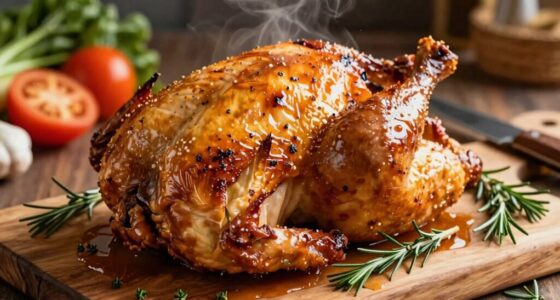
Using a smoker changes your home dinners by adding rich, layered flavors that transform simple ingredients into complex taste experiences. You control key techniques like temperature, smoke duration, and wood type to infuse subtle sweetness or bold smokiness. This shifts your flavor approach from basic seasoning to creating unique profiles through precise smoking steps. Mastering these techniques will help you build nuanced flavors, so keep exploring how to refine your smoking methods for even better results.

Get kitchen staples and gadgets delivered free with Prime
- Fast, free delivery on millions of items
- Prime Video, Amazon Music and more included
- Member-only deals all year
Key Takeaways
- Smokers introduce layered, smoky flavors that transform ordinary ingredients into complex dishes.
- Different wood types allow customization of aroma and intensity, shifting traditional flavor profiles.
- Precise control of temperature and timing enhances flavor infusion and prevents overpowering tastes.
- Managing smoking conditions ensures balanced smoke absorption, refining the overall flavor complexity.
- Mastering smoking techniques creates nuanced flavor layers, elevating home dinners beyond basic cooking.
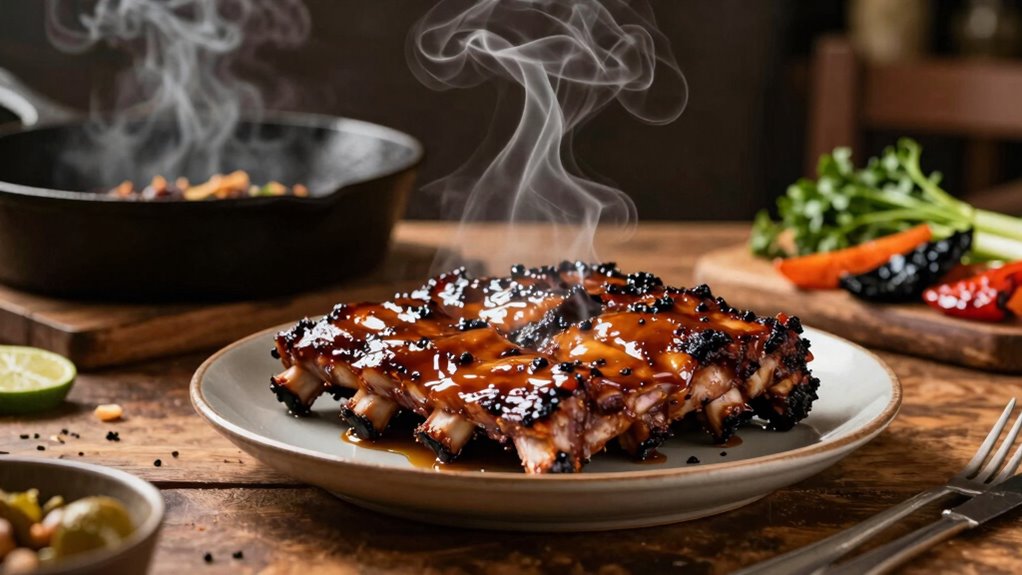
Have you ever wondered how using a smoker can elevate your home dinners? The magic lies in the smoker techniques you choose and how they influence flavor infusion. When you start smoking meats, vegetables, or cheeses, you’re not just cooking; you’re creating a layered flavor experience that transforms ordinary meals into extraordinary ones. The key is understanding that every step in the smoking process impacts the final taste, allowing you to craft dishes that are rich, smoky, and uniquely yours.
Your smoker techniques—like controlling temperature, selecting wood types, and timing the smoke—are essential to achieving the perfect flavor infusion. For example, using fruit woods like apple or cherry can lend subtle sweetness, while hickory provides a bold, smoky intensity. By experimenting with different woods and smoke durations, you can customize flavors to match your preferences. Maintaining a consistent temperature ensures the smoke penetrates evenly, avoiding over-smoking or under-flavoring your food. Properly managing these techniques turns a simple piece of meat into a smoky masterpiece. Additionally, understanding wood types allows you to tailor the aroma and flavor profile specifically to your dishes. Knowing how to control smoking conditions can make all the difference in achieving the desired flavor. Furthermore, mastering smoking techniques helps in balancing the infusion process, so you don’t overpower the natural taste of your ingredients. Developing a good understanding of smoke penetration can also enhance your ability to create more complex and satisfying flavor layers. A deeper knowledge of smoke absorption can help refine your approach for more nuanced results.
As an affiliate, we earn on qualifying purchases.
Frequently Asked Questions
How Do Smokers Influence Family Meal Choices Over Time?
You notice that smokers influence your family’s meal choices by prioritizing flavor enhancement through smoky notes, which become central to your dinners. Over time, this shift helps preserve culinary traditions rooted in smoky flavors, encouraging everyone to enjoy and even innovate with these tastes. As a result, your family’s meals evolve around smoky ingredients, making flavor enhancement a key aspect of tradition preservation and shared culinary identity.
Are There Health Risks Associated With Smoking Meats at Home?
Think of smoking meats at home as inviting a fog into your kitchen’s garden—while it adds flavor, it also poses health concerns. The smoke releases indoor pollution, which can harm your lungs over time. Prolonged exposure to these toxins increases risks like respiratory issues and heart problems. To enjoy smoky flavors safely, make certain proper ventilation and limit indoor smoking, protecting both your health and your home’s atmosphere.
How Does Smoking Alter the Nutritional Value of Home-Cooked Meals?
Smoking can cause nutritional changes in your meals, often reducing water-soluble vitamins like B and C due to heat exposure. While it enhances flavor, it may also introduce harmful compounds if not done properly. However, it generally doesn’t markedly alter the overall nutritional value, but you should balance smoky flavors with fresh ingredients. Focus on moderation to enjoy flavor enhancement without compromising nutritional quality.
Can Non-Smokers Detect the Smoky Flavor in Dishes?
Flavor perception acts like a delicate tapestry, where smoky notes weave subtly into dishes. As a non-smoker, your sensory detection can pick up these faint hints, much like catching a distant, smoky aroma in the breeze. While some might miss the nuances, others recognize the signature of smoke, revealing how the smoky essence influences the overall flavor landscape. Your palate, attentive and perceptive, can indeed detect these smoky whispers in the meal.
What Are the Environmental Impacts of Using Smokers Indoors?
Using smokers indoors increases your risk of indoor air pollution, which can harm respiratory health. Smoke residue buildup on walls, furniture, and fabrics can linger, creating long-term indoor air quality issues. This residue also makes cleaning harder and may cause unpleasant odors. You should guarantee proper ventilation or consider outdoor smoking to minimize these environmental impacts, protecting both your health and your living space from persistent smoke-related problems.
Conclusion
As you navigate your evening meals, remember that your choices quietly shape the aroma of your home. Each subtle whiff, like a delicate brushstroke, paints a picture of comfort and tradition—sometimes tinged with a hint of smoky nostalgia. Embrace the dance of flavors, allowing your senses to guide you through a symphony of warmth and familiarity. In this gentle balance, your home becomes a haven where every whisper of aroma tells a story worth savoring.
NFL season / tailgating Picks
team gear
As an affiliate, we earn on qualifying purchases.