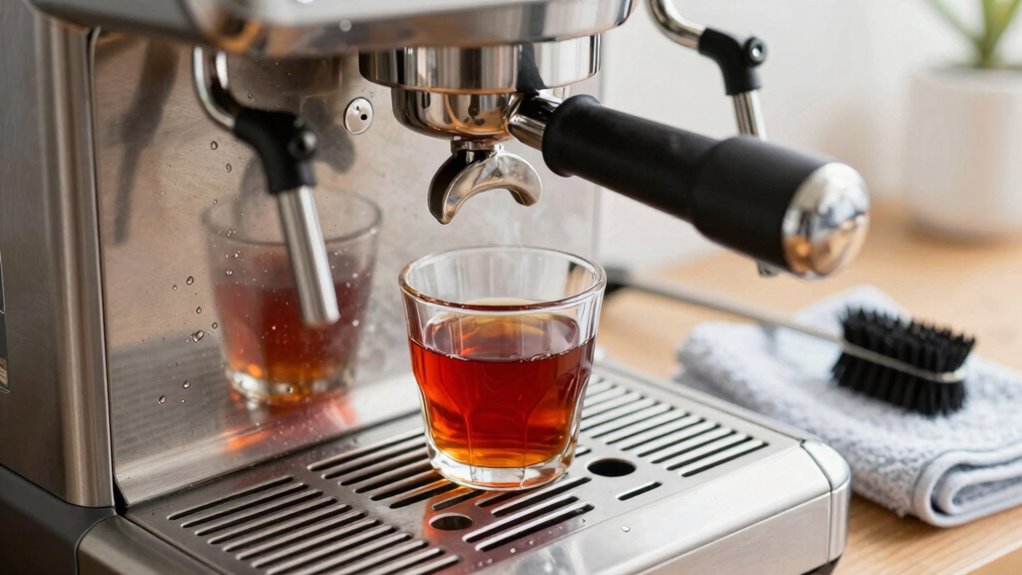

To keep your espresso machine running smoothly, it’s essential to descale regularly based on your water hardness—every 2-4 weeks for hard water and every 2-3 months for softer water. Ignoring this can lead to mineral buildup, poor performance, and costly repairs. Use descaling solutions and follow proper rinsing steps. Routine maintenance preserves coffee quality and machine longevity. Keep going to discover crucial tips that most owners miss.
Key Takeaways
- Regular descaling prevents mineral buildup that can clog internal pipes and reduce water flow.
- Hard water regions require descaling every 2-4 weeks to avoid damage and maintain performance.
- Monitoring water hardness with test strips helps determine the appropriate descaling frequency.
- Ignoring descaling can cause overheating, increased energy use, and costly repairs over time.
- Establishing a consistent cleaning schedule ensures optimal espresso quality and extends your machine’s lifespan.
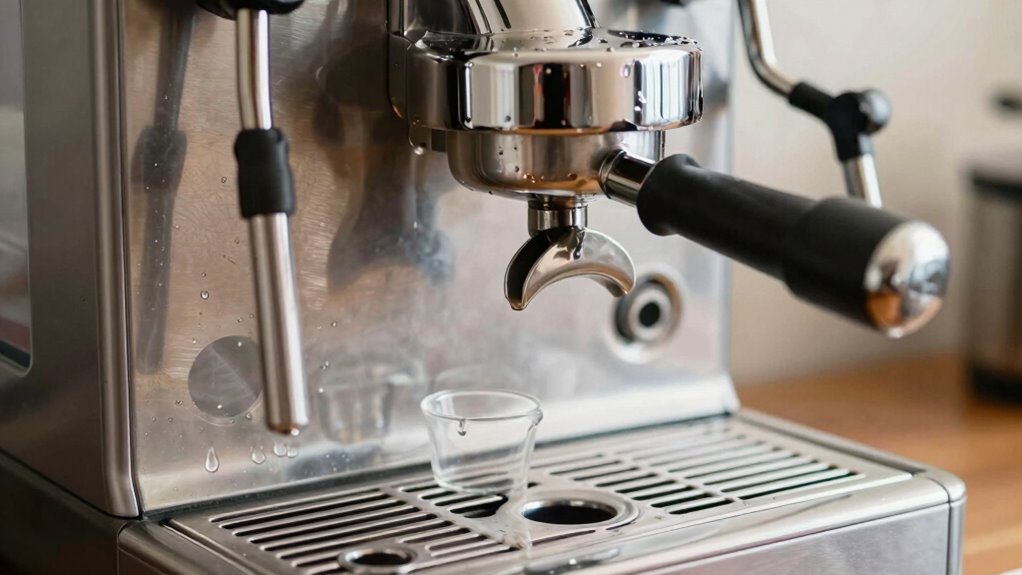
If you want your espresso machine to keep brewing top-quality coffee, regular descaling is crucial. The key factor influencing how often you need to descale is water hardness. Hard water contains high mineral content, mainly calcium and magnesium, which build up inside your machine over time. This mineral buildup can clog the internal pipes, reduce water flow, and diminish the machine’s ability to heat water effectively. To maintain ideal performance, you need to be aware of your water’s hardness level and adjust your descaling frequency accordingly. If you live in an area with very hard water, you’ll need to descale more frequently—perhaps every 2-4 weeks—while in regions with softer water, every 2-3 months might suffice. Ignoring this can lead to mineral deposits that not only impair functionality but also shorten your espresso machine’s lifespan. Regularly checking and monitoring your machine’s performance can help detect early signs of buildup before they become serious issues.
Understanding your water hardness is simple. You can check your water report from the local utility or use test strips available at most home goods stores. Once you know your water’s hardness level, you can determine how often to descale to prevent mineral buildup. Regular descaling is essential because mineral deposits insulate heating elements, making the machine work harder and consume more energy. Over time, this can cause overheating or even damage to critical components. Consistent descaling preserves the machine’s efficiency, ensures consistent water temperature, and helps produce the best espresso shot every time.
Check your water report or use test strips to determine hardness and schedule regular descaling for optimal espresso machine performance.
Many owners overlook the importance of establishing a regular descaling schedule, often waiting until the machine shows signs of malfunction, like slow brewing or strange noises. However, these symptoms are usually late signs of a problem that could have been prevented with routine maintenance. By sticking to the recommended descaling frequency based on your water hardness, you avoid costly repairs and extend the life of your espresso machine. Incorporating routine maintenance into your coffee routine can significantly improve the longevity and performance of your equipment.
The process itself is straightforward, involving a descaling solution mixed with water, run through the machine, then rinsed thoroughly. But the critical part is sticking to a schedule. It’s easy to forget or neglect this step, especially if you’re busy or typically only make coffee on weekends. Setting reminders or marking your calendar can help you stay consistent. Remember, descaling isn’t just about cleaning; it’s about maintaining the integrity of your equipment and ensuring each cup is as delicious as the first. Regular descaling, tailored to your water hardness, is a small effort that yields big results in coffee quality and machine longevity.

Breville Barista Express Espresso Machine BES870XL, Brushed Stainless Steel
The Breville Barista Express delivers third wave specialty coffee at home using the 4 keys formula and is...
As an affiliate, we earn on qualifying purchases.
Frequently Asked Questions
How Often Should I Descale My Specific Espresso Machine Model?
You should descale your espresso machine every 1 to 3 months, depending on your usage and water hardness. Check your manufacturer guidelines for specific recommendations, as some models need more frequent descaling. Regular maintenance schedules help prevent buildup, ensuring your machine functions properly and produces great coffee. If you notice slower water flow or changes in taste, it’s probably time to descale, regardless of the timeline.
Can I Use Vinegar Instead of Commercial Descaling Solutions?
You can use vinegar as a natural descaling alternative, but it’s not always recommended. Vinegar alternatives like citric acid or specific natural descaling solutions are safer and more effective for your espresso machine. Vinegar may leave residue or odors that affect taste. For best results, opt for natural descaling options designed for espresso machines, ensuring you keep your equipment clean without risking damage or lingering flavors.
What Are Signs Indicating My Machine Needs Descaling Immediately?
You’ll know your machine needs descaling immediately if you notice calcium buildup or a significant drop in brewing performance. If your espresso takes longer to brew, or the water flow seems weak or inconsistent, it’s a clear sign. You might also see white deposits around the nozzle or inside the water reservoir. Ignoring these signs can lead to damage, so act quickly to keep your espresso machine functioning at its best.
Does Descaling Affect the Taste of Future Coffee Brews?
Think of your espresso machine like a garden; if you neglect to remove mineral buildup, the flavor gets cloudy, and taste preservation suffers. Descaling ensures your machine brews pure, rich coffee by eliminating mineral buildup that dulls flavors. Regular descaling keeps your brews consistently delicious, preventing that bitter or sour taste caused by scale. So, yes, descaling directly impacts the taste of future coffee, keeping every cup fresh and flavorful.
Are There Environmental Concerns With Descaling Chemicals?
Yes, there are environmental concerns with descaling chemicals, especially if you don’t dispose of them properly. You can use eco-friendly alternatives like vinegar or citric acid, which minimize chemical disposal issues. These options are safer for the environment and reduce your impact. Always follow disposal instructions, and avoid pouring chemicals down the drain, to help protect waterways and ensure responsible cleaning practices.

atatix Espresso Machine with Milk Frother, 20 Bar Pressure Espresso Maker, with 44OZ Removable Tank, Compact Stainless Steel Coffee Machine for Home, Office, Latte, Cappuccino, Macchiato, Silver
【Make Favorite Espresso Coffee by Yourself】The espresso machine with milk frother allows you to prepare all your favorite...
As an affiliate, we earn on qualifying purchases.
Conclusion
If you ignore descaling, your espresso machine could turn into a stubborn, calcium-clogged monster that’s nearly impossible to tame. Regular cleaning keeps it running smoothly and tasting amazing—like a barista’s dream. Think of descaling as your secret weapon against buildup, saving you from costly repairs and flavor disasters. Don’t let neglect turn your beloved machine into a paperweight. Stay consistent, stay caffeinated, and keep your espresso game strong—your taste buds will thank you!
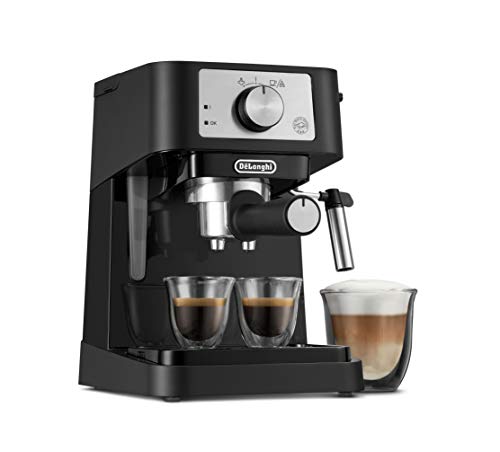
De'Longhi Stilosa Manual Espresso Machine, Compact Coffee Maker, 15 Bar Pump Pressure, Manual Milk Frother Steam Wand for Authentic Single & Double Espresso, Lattes & Cappuccinos, Tamper Included
Please refer to user guide or user manual or user guide (provided below in PDF) before first use
As an affiliate, we earn on qualifying purchases.

De'Longhi Magnifica Start Automatic Espresso Machine with Manual Milk Frother & Built in Grinder - 3 One-Touch Recipes, Easy-to-Clean, Home Barista Coffee Maker for Lattes, Cappuccino, Iced Coffee
3 ONE-TOUCH RECIPES: Enjoy Espresso, Coffee, and Americano at the touch of a button. Easily adjust the intensity...
As an affiliate, we earn on qualifying purchases.