
TL;DR

Get kitchen staples and gadgets delivered free with Prime
- Fast, free delivery on millions of items
- Prime Video, Amazon Music and more included
- Member-only deals all year
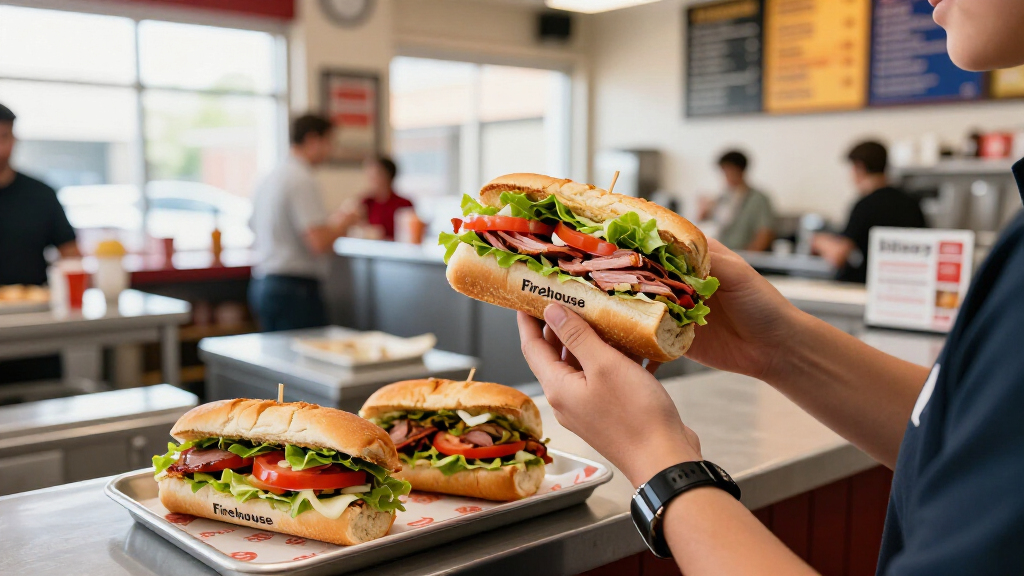
A side-by-side comparison of the Italian-style subs at Firehouse Subs and Potbelly finds clear differences in price, meat portioning and bread style. Firehouse’s Hook & Ladder leans larger and saucier, while Potbelly’s Italian offers a toasted, thinner build at a generally lower price point.
A head-to-head comparison of the two chains’ flagship Italian-style sandwiches — Firehouse Subs’ Hook & Ladder and Potbelly’s Italian — finds that the better value depends largely on what a customer is paying for: raw portion size at Firehouse, or a toasted, lighter build at generally lower prices at Potbelly. The comparison, based on current menus and typical pricing, weighs cost, ingredients and portion against taste.
Firehouse Subs’ Hook & Ladder is the chain’s signature Italian-adjacent sub, built with smoked turkey breast, Virginia honey ham and melted provolone, served “fully involved” with lettuce, tomato, onion, mayo, mustard and the chain’s private-label dairy-free honey mustard. A medium sub typically runs in the $9–$11 range depending on market, with a large topping $12 or more. Firehouse also steams its subs, which the chain says keeps meat and cheese moist, and offers free hot sauce pumps from its signature sauce bar.
Potbelly’s Italian takes a more traditional approach: salami, capicola, mortadella and provolone on multigrain or regular bread, run through the shop’s conveyor toaster. A standard Original-sized Italian typically costs $8–$10, while the smaller SKINNY version cuts both price and calories. Potbelly’s toppings include shredded lettuce, tomato, onion, giardiniera and Italian seasoning with vinaigrette — a spicier, more acidic profile than Firehouse’s offering.
On a dollar-per-ounce basis, Firehouse’s medium generally delivers more total meat — its medium is listed at roughly a half-pound of combined proteins — while Potbelly’s Original is lighter, which matters for diners who want a full meal rather than a lighter lunch. The chains’ reward programs also differ: Firehouse’s app offers a free medium sub sign-up bonus and points accumulation, while Potbelly’s Potbelly Perks issues rewards tied to purchase totals.
Why This Comparison Hits Wallets Now
Sandwich chains have been at the center of the fast-casual value wars as menu prices have risen faster than grocery costs over the past two years. With a combo meal at either chain now frequently exceeding $15, customers increasingly scrutinize whether a sub is worth the premium over making one at home. A direct comparison gives diners a concrete basis for choosing where to spend.
The comparison also reflects a broader split in the category: Firehouse competes on portion and heat, banking on its steamed meats and sauce selection, while Potbelly competes on toasting, flavor complexity and lower entry prices. Which strategy wins for any individual customer comes down to appetite and preference for a saucy, meat-heavy sub versus a sharper, deli-style one.
As an affiliate, we earn on qualifying purchases.
How the Two Chains Built Their Sandwiches
Firehouse Subs, founded in 1994 by firefighter brothers Robin and Chris Sorensen in Jacksonville, Florida, built its brand around hot, steamed subs and first-responder imagery. The Hook & Ladder has been its best-selling sandwich for years, according to the company. The chain, now owned by Restaurant Brands International, has more than 1,200 locations.
Potbelly began in 1977 as an antique shop in Chicago that sold sandwiches before pivoting fully to food. Its conveyor-toasted sandwiches, baked cookies and live-music shop aesthetic distinguish it from competitors, and the Italian has long anchored its menu alongside the Wreck and A Wreck. Potbelly operates and franchises more than 400 shops.
“The Hook & Ladder features smoked turkey breast, Virginia honey ham and melted provolone, served ‘fully involved.'”
— Firehouse Subs menu description
Pricing and Portions Vary by Market
Exact pricing is the biggest variable: both chains franchise heavily, and menu prices at a Firehouse in New York City can differ by several dollars from one in a suburban Ohio strip mall. The price ranges cited here reflect typical listings, not guaranteed figures. It also remains subjective which sandwich tastes better — the comparison can weigh measurable factors like price and protein weight, but flavor preference between Firehouse’s steamed, saucier style and Potbelly’s toasted, giardiniera-forward profile is a matter of individual taste.
Where the Sandwich Value Battle Goes
Both chains continue to push value platforms: Firehouse has leaned on app-exclusive deals and limited-time flavor drops, while Potbelly has expanded its SKINNY lineup and combo bundles to court price-sensitive customers. Watch for seasonal limited-time offerings and possible price adjustments as commodity costs for deli meats fluctuate. For now, the practical takeaway for diners: Firehouse wins on heft and sauce customization; Potbelly wins on price and a spicier, more traditional Italian flavor.
Key Questions
Which Italian sub is cheaper, Firehouse or Potbelly?
Potbelly’s Original Italian is generally a bit cheaper, typically $8–$10, while Firehouse’s medium Hook & Ladder runs $9–$11. Prices vary by location.
Which sandwich has more meat?
Firehouse’s medium Hook & Ladder contains roughly a half-pound of combined turkey and ham, generally more total protein than Potbelly’s Original Italian.
What is the main taste difference?
Firehouse steams its subs for a moist, saucy sandwich with honey mustard; Potbelly toasts its Italian with giardiniera and vinaigrette for a spicier, sharper deli-style flavor.
Do either chains’ apps offer free food?
Yes. Firehouse’s rewards app has historically offered a free medium sub for signing up, and Potbelly Perks awards credits based on spending.
Are there lighter options at either chain?
Potbelly offers a SKINNY version of the Italian with less bread and meat at a lower price and calorie count. Firehouse offers a small size, but it is relatively less promoted.
Source: rss
NFL season / tailgating Picks
team gear
As an affiliate, we earn on qualifying purchases.