To avoid your lunch tasting like it was made yesterday, don’t reheat unevenly in the microwave or leave leftovers out for too long. Use proper storage containers, refrigerate promptly, and avoid overcrowding when reheating to guarantee even heating and preserve flavor. Adding fresh herbs or a splash of lemon can revive dull tastes. If you keep these tips in mind, you’ll turn leftovers into tasty, fresh-feeling meals. Keep going to discover more effective tips.

Get kitchen staples and gadgets delivered free — and shop member deals
- Fast, free delivery on millions of items
- Access to Prime Big Deal Days deals on October 6–7
- Prime Video, Amazon Music and more included
Key Takeaways
- Reheating unevenly in the microwave can cause sogginess and dull flavors.
- Storing leftovers improperly or for too long leads to odor absorption and flavor loss.
- Overcrowding the microwave prevents even heating, impacting taste and texture.
- Failing to add moisture or fresh seasonings during reheating dulls the original flavor.
- Not promptly refrigerating leftovers promotes bacterial growth, resulting in stale or spoiled taste.
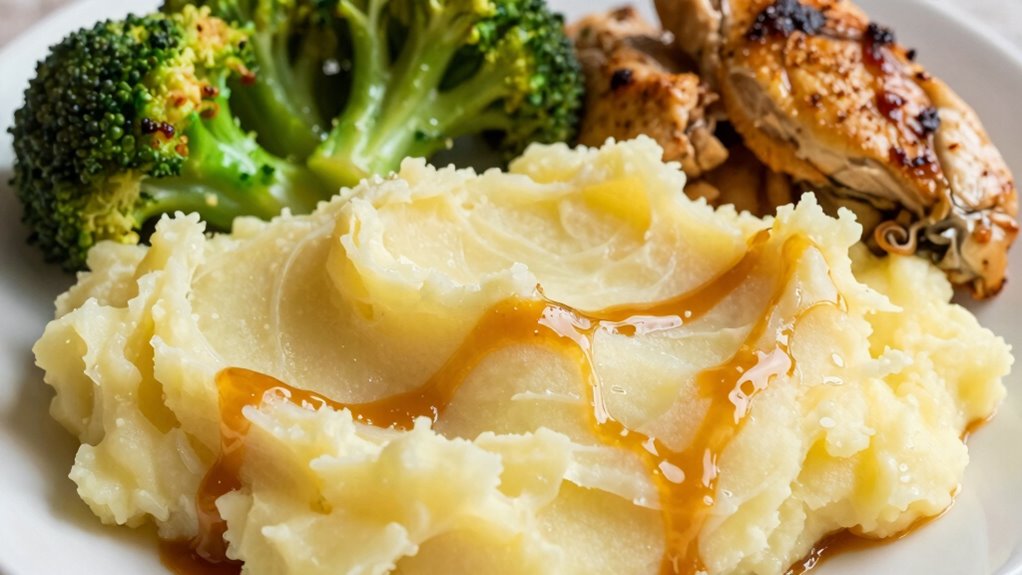
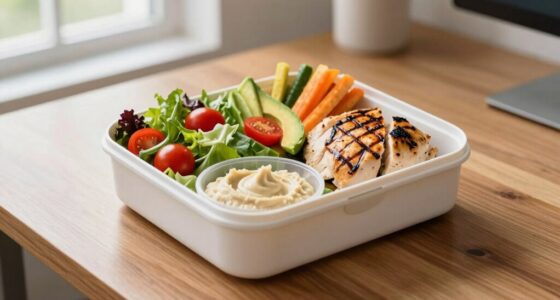
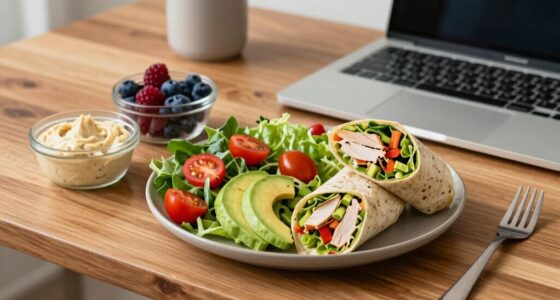
Nothing ruins a midday meal quite like reheating leftovers the wrong way, turning your lunch into a bland, unappetizing experience. When you’re rushing through your day, it’s tempting to toss leftovers into the microwave and hit start, but that quick fix can sabotage the flavor and ruin the meal’s freshness. To avoid this, you need to think about how you prepare and store your food. Meal prep is a great way to save time and ensure your lunch tastes just as good as when you first made it, but only if you focus on flavor preservation. Proper storage is key—airtight containers lock in moisture and prevent the food from drying out or absorbing other odors, which can diminish taste. When you’re packing your lunch, consider dividing components that might lose texture or flavor when mixed too early, and keep dressings or sauces separate until you’re ready to eat.
Proper storage and thoughtful packing preserve flavor and freshness in your leftovers.
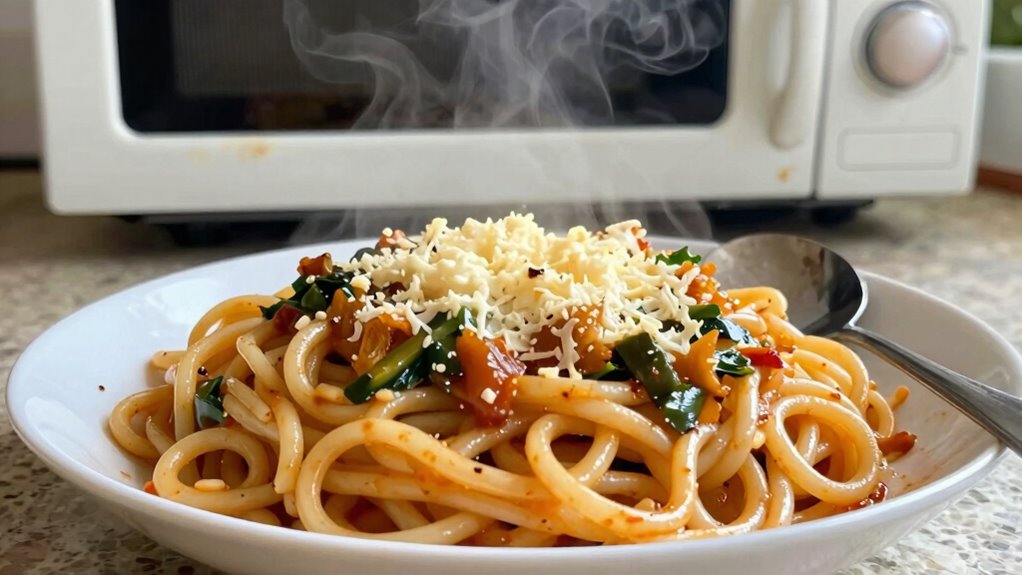
Reheating is where many people go wrong. Microwaves tend to heat unevenly, turning your carefully cooked meal into a soggy, overcooked mess. To preserve flavor, consider reheating in short intervals and stirring in between, or use a stovetop for more control. If you’re reheating pasta or rice dishes, adding a splash of water or broth before microwaving can help maintain moisture, preventing the dish from drying out. Similarly, for meats and vegetables, a quick sauté or steaming can help restore some of their original texture and flavor. Incorporating proper food storage techniques also helps prevent flavor loss caused by exposure to air or other odors, ensuring your leftovers stay fresh longer. Additionally, understanding proper food safety practices is essential to avoid spoilage and maintain the quality of your leftovers. Properly managing temperature control is vital in preventing bacteria growth and preserving taste.
Another mistake that kills flavor is not paying attention to how you store your leftovers. For example, leaving food out for too long before refrigerating can lead to bacterial growth, but it also degrades taste and texture. Always refrigerate leftovers promptly, ideally within two hours, and consume them within a few days. When reheating, avoid overcrowding the microwave, as it can cause uneven heating, which diminishes the quality of your food. Additionally, proper food storage techniques help maintain the freshness and safety of your leftovers, ensuring they taste better when reheated. Being mindful of food preservation methods can greatly extend the shelf life and flavor of your meals, reducing waste and enhancing each bite. Using temperature control tools like a food thermometer can further ensure your leftovers are stored at safe and optimal temperatures, preserving flavor and safety.
Lastly, if you want your food to taste fresh, consider small batch meal prep. Cooking in smaller portions allows you to reheat just what you need, reducing the chances of overcooking or flavor loss. Use fresh herbs, a squeeze of lemon, or a drizzle of good-quality oil to revive dull flavors before serving. Ultimately, paying attention to how you store, reheat, and season your leftovers makes a significant difference. Proper meal prep and flavor preservation techniques turn yesterday’s meal into a delicious, satisfying lunch—no more bland, leftovers that taste like they’re a day old.
airtight food storage containers
As an affiliate, we earn on qualifying purchases.
As an affiliate, we earn on qualifying purchases.
Frequently Asked Questions
How Can I Tell if My Lunch Has Spoiled?
You can tell if your lunch has spoiled by checking for spoilage signs like a sour smell, slimy texture, or discoloration. Trust your senses—if it smells off or looks different, it’s likely no longer fresh. Food freshness decreases over time, and consuming spoiled food can cause illness. Always inspect your lunch before eating, and when in doubt, it’s safer to discard it rather than risk eating spoiled food.
What Are the Best Storage Containers for Lunch?
Think of your lunch storage like a vintage radio—trustworthy and designed to last. You should choose eco-friendly options with leak-proof designs, ensuring your food stays fresh and mess-free. Glass containers with silicone seals are excellent, as they’re durable and free of harmful chemicals. Silicone or stainless steel containers also work well for their eco-friendliness and durability. These choices keep your lunch tasting fresh and prevent any unwanted spills or odors.
Does Reheating Food Affect Its Flavor?
Reheating food can affect its flavor, often causing flavor deterioration that makes it taste dull or different. It can also lead to texture changes, like sogginess or dryness, which impact how your meal feels and tastes. To minimize these effects, reheat your food carefully, using gentle methods like stovetop or microwave with added moisture, and avoid overcooking. This way, you preserve more of the original flavor and texture.
How Long Can I Store Lunch Safely?
Think of your lunch as a delicate flower; it needs the right environment to stay fresh. Generally, you should store leftovers in the fridge for no more than 3-4 days. Follow food safety and storage tips by keeping it in airtight containers and at proper temperatures. After that, flavors fade, and risks increase, turning a fresh masterpiece into yesterday’s forgotten art. Always trust your senses before eating leftovers.
Are There Specific Foods That Don’T Reheat Well?
Certain foods, like fried items, seafood, and dishes with creamy sauces, don’t reheat well. They often lose their original food texture and flavor preservation, turning soggy or rubbery. Microwave reheating can make them taste like they were made yesterday, diminishing freshness. To avoid this, consider reheating these foods gently or serving them fresh. This way, you maintain the best taste and texture for your leftovers.
Conclusion
Avoid these lunch mistakes, and your leftovers won’t taste like they’ve been trapped in a time capsule forever. With a few simple tweaks, you’ll keep your food fresh and flavorful, turning every bite into a delightful surprise rather than a trip back to yesterday’s dinner. Remember, the right storage and reheating methods can save your taste buds from an apocalyptic flavor disaster. Don’t let your lunch become a culinary ghost—keep it lively, fresh, and utterly irresistible!
Halloween Picks
halloween
As an affiliate, we earn on qualifying purchases.