
Incorporating fruit thoughtfully transforms your salad from just a mix into a harmonious dish. When you plan your ingredients intentionally, you guarantee flavors balance and complement each other, avoiding clashes. Timing matters—adding delicate fruit at the right moment helps preserve their vibrant textures and brightness. By focusing on flavor pairing and ingredient compatibility, you craft salads that are sophisticated and memorable. Keep exploring this approach, and you’ll discover even more ways to elevate your culinary creations.

Get kitchen staples and gadgets delivered free with Prime
- Fast, free delivery on millions of items
- Prime Video, Amazon Music and more included
- Member-only deals all year
Key Takeaways
- Thoughtful ingredient planning ensures fruit complements other flavors, enhancing overall harmony.
- Adding fruit at the right moment preserves its texture and vibrant taste.
- Deliberate pairing prevents overpowering sweetness and creates balanced flavor profiles.
- Incorporating seasonal and compatible fruits elevates freshness and dish cohesion.
- Intentional inclusion transforms a simple salad into a memorable, well-crafted culinary experience.
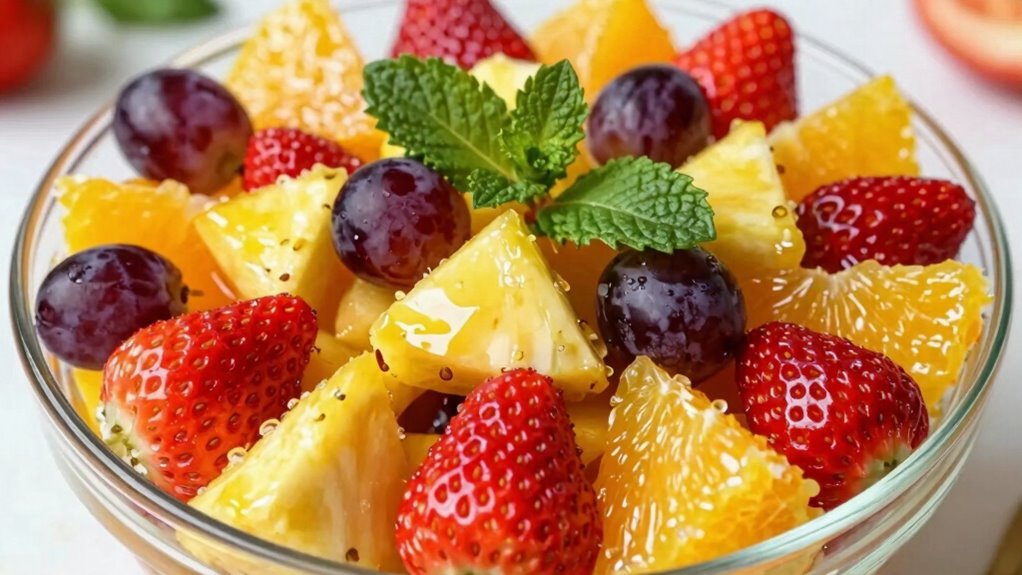
Have you ever noticed how a salad feels more vibrant and invigorating when fruit is thoughtfully included instead of just tossed in at the last minute? When you plan your ingredients with intention, fruit becomes more than just a sweet addition—it transforms the entire dish. The key lies in achieving flavor balance and ingredient harmony. If you simply add fruit as an afterthought, its sweetness or tartness can clash with other ingredients, disrupting the overall harmony of the salad. But when you incorporate fruit deliberately, you can select varieties that complement the other flavors and textures, creating a cohesive and revitalizing experience with every bite.
Thinking about how the fruit interacts with the other ingredients helps you craft a more sophisticated salad. For example, pairing juicy, mildly sweet berries with peppery arugula or bitter greens creates a contrast that enhances both elements. The acidity of citrus can brighten rich ingredients like avocado or cheese, making the salad feel lively and balanced. When you put thought into ingredient harmony, each component supports the others, elevating the dish beyond mere mix-and-match. This deliberate approach also allows you to play with different flavor profiles—sweet, tart, tangy, or even spicy—making your salad more complex and satisfying.
Timing matters, too. Adding fruit at the right moment ensures its flavors and textures remain vibrant. If you toss fruit in too early, it might become mushy or lose its brightness. Instead, consider adding delicate fruits just before serving or using firmer options that hold up well over time. This careful planning guarantees that the fruit contributes its intended flavor and texture without overpowering or being overshadowed. Understanding ingredient interactions can help you make better choices about how to prepare and combine your fruits, leading to more harmonious results. Additionally, experimenting with flavor pairing can inspire new combinations and elevate your salad game. By doing so, you create a unified flavor profile that feels intentional and well-balanced. This approach encourages you to see fruit not as an afterthought but as a crucial ingredient that can tie the entire dish together.
Making mindful choices about ingredient compatibility can also help prevent common pitfalls like overly sweet or mismatched flavors. Incorporating seasonal produce into your salads not only ensures freshness but also enhances flavor harmony and sustainability. Ultimately, when you approach adding fruit to salad with planning and purpose, you craft a dish that’s more than just a collection of ingredients. It becomes a harmonious, flavorful experience that delights the senses. The effort you put into balancing flavors and considering ingredient harmony makes your salad not only more delicious but also more memorable. It turns a simple mix into a thoughtfully composed meal that showcases your culinary insight.
As an affiliate, we earn on qualifying purchases.
Frequently Asked Questions
How Can I Prevent Fruit From Browning in Salads?
To prevent fruit from browning in salads, you should focus on fruit preservation techniques. Toss the fruit in a mixture of lemon or lime juice before adding it to your salad, as the acidity slows oxidation. Also, add the fruit just before serving to maintain fresh salad presentation. Using airtight containers or covering your salad tightly helps keep the fruit vibrant longer, ensuring your salad looks appetizing and stays flavorful.
What Are the Best Fruits to Pair With Savory Salad Ingredients?
You should pair fruits like berries, apple slices, or citrus with savory salad ingredients for vibrant flavor combinations and appealing texture contrasts. Berries add a sweet tartness, apples provide crispness, and citrus boosts acidity, balancing richer flavors like cheese or nuts. These fruits bring vibrancy and visual appeal, making your salad more dynamic. Incorporate them thoughtfully to enhance the overall taste and create a salad that’s both satisfying and invigorating.
How Do Portion Sizes Affect Fruit Balance in Salads?
Portion sizes directly influence the flavor balance in your salads. By practicing portion control, you guarantee the fruit enhances rather than overpowers the savory ingredients. Too much fruit can make the salad overly sweet or watery, while too little might miss out on its invigorating qualities. Aim for a balanced amount that complements other ingredients, helping you create a harmonious dish that’s both flavorful and satisfying.
Can Dried Fruits Be Used Effectively in Salads?
Dried fruit makes an excellent salad topping, adding sweetness and texture that fresh fruit sometimes can’t provide. Did you know that dried fruits retain most of their nutrients while offering a concentrated flavor? You can incorporate dried fruit like cranberries, apricots, or raisins to elevate your salad, creating a balanced mix of chewy, sweet, and tangy elements. Just be mindful of portion sizes to avoid overpowering the other ingredients.
What Are Some Creative Ways to Incorporate Fruit Into Salads?
To get creative with fruit in salads, try incorporating fruit infusion by adding fresh berries, citrus segments, or sliced stone fruits directly into your greens. Experiment with presentation by arranging fruit slices artfully or layering them for visual appeal. You can also toss dried fruits for a chewy texture or add fruit-based dressings. These techniques make your salad vibrant, flavorful, and memorable, elevating it beyond just a side dish.
Conclusion
When you treat fruit as an integral part of your salad, it’s like planting a vibrant seed in a well-tended garden—you’ll see it flourish with flavor and freshness. Don’t leave that sweet, juicy element as an afterthought; instead, weave it into your salad’s fabric. When you do, every bite becomes a colorful, harmonious symphony that delights your palate. So, give fruit the spotlight it deserves, and watch your salads transform from ordinary to extraordinary.
Halloween Picks
halloween
As an affiliate, we earn on qualifying purchases.