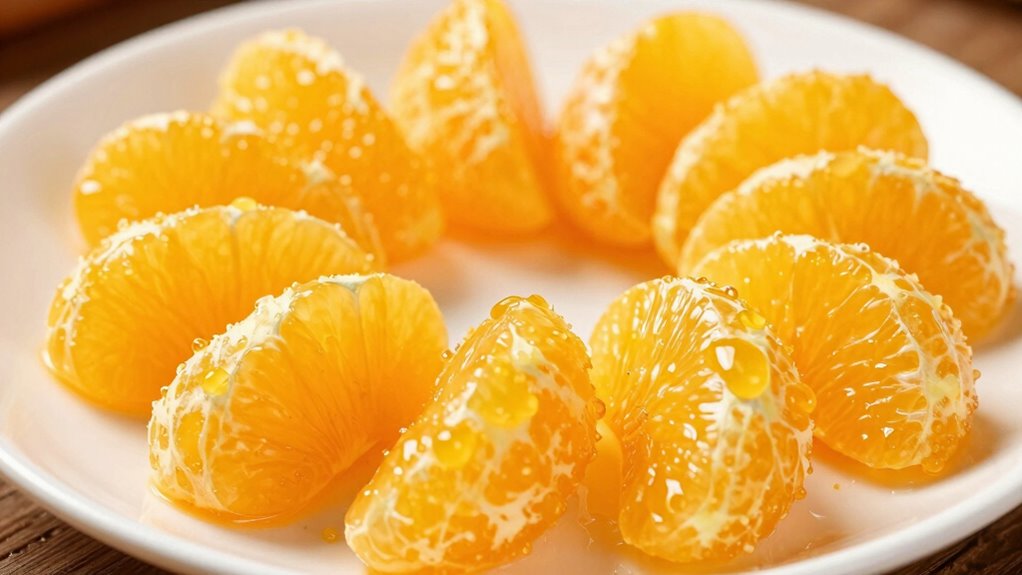
To peel citrus without a mess, start by scoring the fruit with shallow cuts along its natural curves, creating sections. Gently lift the peel in segments, using your fingers or a spoon, keeping the knife close to avoid puncturing the pulp. Work slowly and patiently, always following the fruit’s shape, to prevent juice from squirting out. Mastering this controlled method keeps your hands and surroundings clean—keep going for more tips you’ll want to try.
Key Takeaways
- Score the citrus with shallow cuts along its natural curves before peeling to control peel removal and prevent juice splatter.
- Make flat ends on the fruit to stabilize it and reduce squeezing, minimizing juice leakage.
- Use gentle, deliberate movements to lift the peel in sections, avoiding puncturing the pulp.
- Follow the natural curvature closely with your knife to prevent damage to the pulp and mess.
- Peel slowly and patiently, removing the skin in sections to keep hands clean and prevent juice squirting.
Have you ever struggled to peel and eat citrus without ending up with juice drips and messy hands? If so, you’re not alone. Many people find handling citrus fruits like oranges, grapefruits, or tangerines frustrating because their juices tend to squirt out, staining clothes or leaving sticky fingers. The secret lies in mastering a simple yet effective method that minimizes mess—one that hinges on proper knife techniques and understanding different citrus varieties. Once you get the hang of this, peeling citrus becomes cleaner and more efficient.
The key is to start with the right tools and techniques. Use a sharp paring knife or a small serrated knife, which allows for better control and precision. Before peeling, score the citrus fruit by slicing off both the top and bottom ends. This creates stable flat surfaces that prevent the fruit from rolling around. Next, make shallow, vertical cuts along the sides of the fruit, following the natural curvature. These cuts should be just deep enough to penetrate the skin without slicing into the pulp. This technique, known as “scoring,” helps you remove the peel in sections, rather than tearing or squeezing the fruit.
Different citrus varieties have slightly different characteristics, and knowing these can help you adapt your approach. For example, oranges and mandarins tend to have thicker, more loosely attached skins, which makes them easier to peel once scored. Grapefruits, however, often have thicker membranes and more stubborn peelings, requiring a few more cuts or a different approach. Tangelos and clementines are smaller and easier to handle, but they still benefit from scoring the peel first to avoid juice squirting out when you start pulling at the skin.
Once you’ve scored the fruit, use your fingers or a spoon to gently lift away the peel and pith in sections. This method reduces the risk of squeezing or tearing the fruit, which often causes juice to spray. As you work, keep the knife blade close to the fruit’s surface, following the natural contours, to avoid puncturing the pulp and releasing juice prematurely. Proper technique and patience are essential for minimizing mess, as rushing can lead to unnecessary juice leakage and splattering. The key is patience—taking your time to carefully remove the peel minimizes juice leakage and keeps your hands clean.
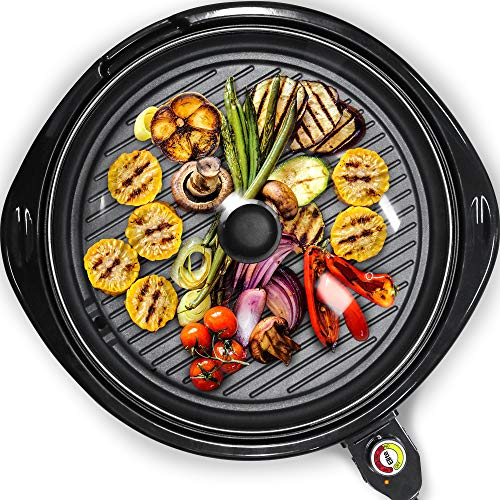
Elite Gourmet EMG-980B Smokeless Electric Tabletop Grill Nonstick, 6-Serving, Dishwasher Safe Removable Grilling Plate, Grill Indoor, Tempered Glass Lid, Adjustable Temperature, 14" Black
DON’T LET RAIN RUIN YOUR BARBECUES ANYMORE! – Enjoy all the fun of an outdoor BBQ in the...
As an affiliate, we earn on qualifying purchases.
Frequently Asked Questions
Can I Use This Method for Other Fruits Besides Citrus?
Yes, you can use this method for other fruits like kiwi or mango, especially when making a fruit salad. It helps with peel removal and neatly sections the fruit without a mess. Just adapt the technique to the fruit’s shape and skin thickness. For fruits with tougher skins, use a sharper knife. This trick keeps your prep clean and efficient, making your fruit salad look professional and appealing.
What Tools Are Best for Removing Citrus Segments Easily?
Removing citrus segments is like peeling back a delicate gift, so you need sharp tools and steady hands. Use a paring knife or a small serrated knife for precision, and always prioritize knife safety by keeping your fingers clear. These tools make peeling techniques easier and safer, allowing you to cut close to the membranes without damaging the fruit or risking injury. With practice, you’ll master clean, mess-free citrus segments every time.
How Do I Prevent Citrus From Sticking to the Knife?
To prevent citrus from sticking to your knife, keep your knife sharp and use proper knife safety techniques. Dull blades cause more sticking and make cutting harder. Lightly oil the blade or dip it in water between cuts to reduce adhesion. Remember, different citrus varieties like oranges or grapefruits may vary in juiciness, so adjust your technique accordingly. Staying safe and precise guarantees easier, mess-free citrus segmenting every time.
Is This Technique Suitable for All Citrus Varieties?
Like a master magician peeling fruit, you’ll find this technique works well for most citrus varieties, but some thicker-skinned ones like pomelos may need extra care. When fruit peeling, always prioritize knife safety—use a sharp, stable knife and gentle motions. Though the method is versatile, adapt your pressure and angle for different citrus to prevent slips and ensure clean segments. Practice, and soon you’ll peel with the finesse of a seasoned chef.
Can This Method Be Used for Large-Scale Food Preparation?
Yes, you can adapt this technique for large-scale food preparation by scaling the techniques accordingly. For commercial applications, you’ll want to streamline and standardize the process to guarantee efficiency and consistency. Use proper tools and prepare in batches to maintain quality. This method helps reduce mess and waste, making it ideal for scaling up while keeping the citrus segments neat and presentable for large servings or commercial kitchens.

2026 Electric Hot Pot with Grill,2-10 People Indoor Hot Pot 2 in 1 Multi-function Smokeless Shabu-Shabu Hotpot Korean BBQ Grill for Simmer,Separate Dual Temperature Contral
Easy-Clean Dual Cooking System with 4L Pot & Grill : Enjoy the ultimate Shabu-Shabu and Korean BBQ experience...
As an affiliate, we earn on qualifying purchases.
Conclusion
Now that you know the secret to perfectly segment citrus without the mess, imagine how impressively effortless your next dish will be. But here’s the twist—there’s one more trick that takes this method even further, elevating your presentation and flavor. Are you ready to discover it? Stay tuned, because what’s coming next might just change the way you enjoy citrus forever. Trust me, you won’t want to miss this final, game-changing step.
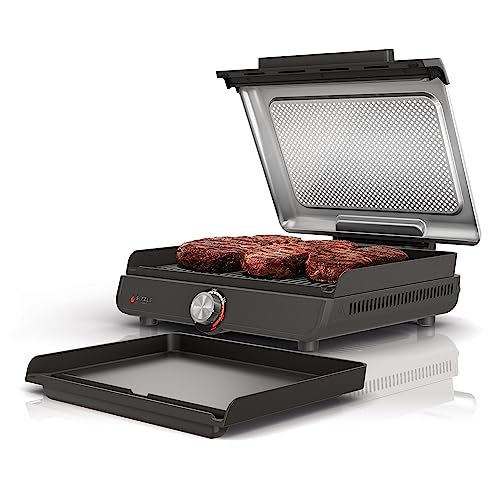
Ninja Griddle and Indoor Grill, 14’’, Electric Grill, For Steak, Burgers, Salmon, Veggies, and More, Pancake Griddle, Nonstick, Dishwasher Safe, 500F, Even Cooking, Silver, GR101
INTERCHANGEABLE GRILL & GRIDDLE PLATES: From char-grilled strip steaks to sizzling fajita veggies, unlock delicious flavors any time...
As an affiliate, we earn on qualifying purchases.
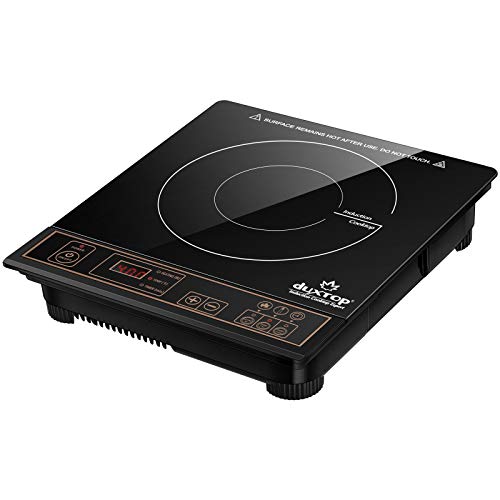
Duxtop 1800W Portable Induction Cooktop Countertop Burner, Gold 8100MC/BT-180G3
Requires induction compatible cookware. If a magnet sticks well to the bottom of the pan and is at...
As an affiliate, we earn on qualifying purchases.