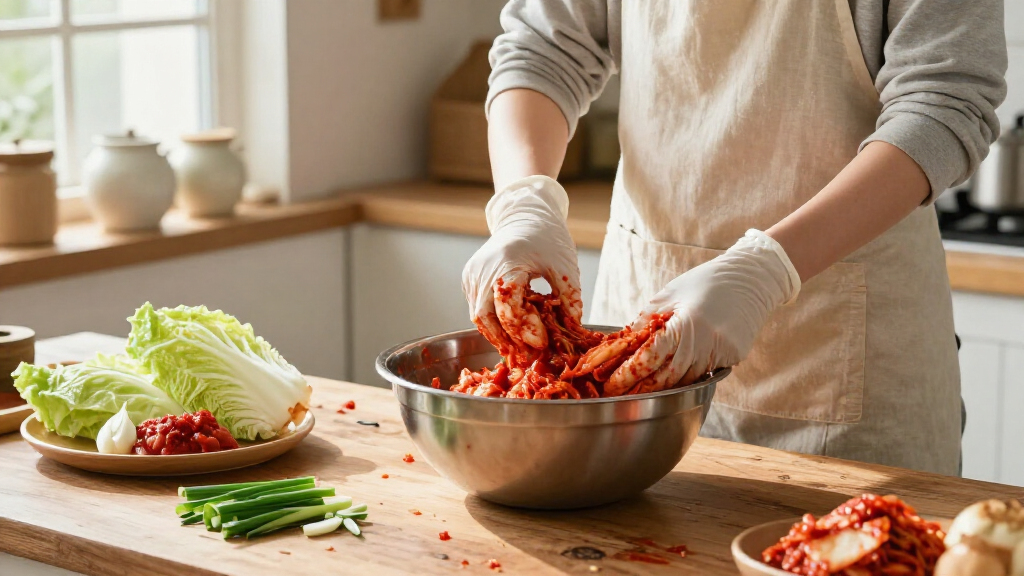

The best kimchi overall in this lineup is Choi’s Kimchi Co. Spicy Napa Cabbage Kimchi, a large vegan, gluten-free batch suited to cooks who want a classic, ready-to-use staple. For milder flavor, Choi’s Vegan White Napa Cabbage Kimchi offers a less spicy alternative, while Jongga’s eight pouches make portioning easier than opening a large container. The main tradeoffs are heat, fermentation style, package size, and whether you want traditional napa cabbage or a variation such as cucumber or kimchi-style sauerkraut. I compare all 13 options by those differences so you can match a jar, pouch, or multipack to the way you eat. Read on for the full breakdown and help choosing the right kimchi for your table.

Get kitchen staples and gadgets delivered free with Prime
- Fast, free delivery on millions of items
- Prime Video, Amazon Music and more included
- Member-only deals all year
Key Takeaways
- Choi’s Spicy Napa Cabbage Kimchi leads for buyers seeking a large, classic-style batch with vegan, gluten-free, and non-GMO claims; its size is less convenient for occasional use.
- Choi’s Vegan White Napa Cabbage Kimchi is the lineup’s clear milder alternative, while still coming in a substantial half-gallon container.
- Jongga’s eight pouches offer a useful portion-control alternative to large tubs, though pouch packaging may be less handy when you want to serve kimchi straight from a jar.
- Jayone’s 4-pack and 12-pack share the same small 5.64-ounce format, making them better suited to single servings and pantry flexibility than bulk meals.
- The lineup spans more than classic napa cabbage: cucumber kimchi, a fermented variety pack, and Kühne‘s kimchi-style sauerkraut suit different tastes, but they are not direct substitutes for traditional napa kimchi.
| Choi’s Kimchi Co. Vegan White Napa Cabbage Kimchi, Half Gallon (3.5 lbs.) |  | Best Mild, Vegan Pick | Main ingredient: Napa cabbage | Weight: 3.5 lbs. | Size: Half gallon | VIEW LATEST PRICE | See Our Full Breakdown |
| Jongga Spicy Fermented Napa Cabbage Kimchi, Original, 8 Pouches |  | Best Pantry-Convenient Pick | Brand: Jongga | Main ingredient: Napa cabbage | Flavor: Original, spicy | VIEW LATEST PRICE | See Our Full Breakdown |
| Jayone Naturally Fermented Napa Cabbage Kimchi, 5.64 oz (Pack of 12) |  | Best for Individual Portions | Type: Napa cabbage kimchi | Fermentation: Naturally fermented | Ingredients: Non-GMO; additive-free | VIEW LATEST PRICE | See Our Full Breakdown |
| Choi’s Kimchi Co. Spicy Napa Cabbage Kimchi, Half Gallon (3.5 lbs.), Vegan, Gluten Free, Non-GMO |  | Best Small-Batch Spicy Pick | Main ingredient: Napa cabbage | Weight: 3.5 lbs. | Size: Half gallon | VIEW LATEST PRICE | See Our Full Breakdown |
| Kühne Kimchi-Style Sauerkraut, 14.1 oz |  | Best Kimchi-Style Cabbage Alternative | Net weight: 14.1 oz. | Product type: Fermented kimchi-style sauerkraut | Cabbage: White cabbage | VIEW LATEST PRICE | See Our Full Breakdown |
| AngelVip Sliced Napa Cabbage Kimchi, 52.9 oz |  | Best for Cooking in Bulk | Net weight: 52.9 oz (3.3 lb) | Main vegetable: Napa cabbage | Other listed ingredients: Korean chili powder (gochugaru), garlic, and ginger | VIEW LATEST PRICE | See Our Full Breakdown |
| Olive My Pickle Classic Napa Cabbage Kimchi, 16 oz |  | Best for Raw Fermentation | Net weight: 16 oz | Pack size: 1 | Main ingredient: Napa cabbage | VIEW LATEST PRICE | See Our Full Breakdown |
| Olive My Pickle Fermented Kimchi Variety Pack, 3 Pack, 48 oz |  | Best for Variety | Total weight: 48 oz | Pack format: 3 varieties | Varieties: Classic, cucumber, and daikon radish kimchi | VIEW LATEST PRICE | See Our Full Breakdown |
| Korean Napa Cabbage Kimchi, Original, Vegan, Gluten-Free, 7.58 oz |  | Best Compact Pick | Kimchi type: Napa cabbage, original | Flavor: Tangy, spicy, and complex | Dietary attributes: Vegan and gluten-free | VIEW LATEST PRICE | See Our Full Breakdown |
| Wise Goat Organics Organic Raw Vegan Kimchi, 16 oz |  | Best Organic Specialty Pick | Brand: Wise Goat Organics | Net weight: 16 oz | Ingredients: Certified organic vegetables | VIEW LATEST PRICE | See Our Full Breakdown |
| Olive My Pickle Vegan Cucumber Kimchi, 16 oz |  | Best Cucumber Kimchi | Product type: Cucumber kimchi | Net weight: 16 oz | Pack size: 1 | VIEW LATEST PRICE | See Our Full Breakdown |
| Jayone Naturally Fermented Napa Cabbage Kimchi, 5.64 oz, 4-Pack |  | Best Shelf-Stable Portions | Brand: Jayone | Product: Napa cabbage kimchi | Pack size: 4 cans | VIEW LATEST PRICE | See Our Full Breakdown |
| Sliced Napa Cabbage Kimchi, 52.9 oz |  | Best Mild Family-Size Kimchi | Product type: Sliced Napa cabbage kimchi | Net weight: 52.9 oz (3.5 lb) | Flavor: Mild, umami | VIEW LATEST PRICE | See Our Full Breakdown |
| kimchi | Fermentation |
|---|---|
| Choi’s Kimchi Co. Vegan White | Unpasteurized; naturally fermented |
| Jongga Spicy Fermented Napa Ca | — |
| Jayone Naturally Fermented Nap | Naturally fermented |
| Choi’s Kimchi Co. Spicy Napa C | Naturally fermented |
| Kühne Kimchi-Style Sauerkraut | — |
| AngelVip Sliced Napa Cabbage K | Naturally fermented |
| Olive My Pickle Classic Napa C | Raw and unpasteurized |
| Olive My Pickle Fermented Kimc | — |
| Korean Napa Cabbage Kimchi | — |
| Wise Goat Organics Organic Raw | Wild fermentation; micro-batches |
| Olive My Pickle Vegan Cucumber | — |
| Jayone Naturally Fermented Nap | Naturally fermented |
| Sliced Napa Cabbage Kimchi | Small-batch, naturally fermented |
More Details on Our Top Picks
Choi’s Kimchi Co. Vegan White Napa Cabbage Kimchi, Half Gallon (3.5 lbs.)
Choi’s white Napa kimchi is the choice here for shoppers who want naturally fermented cabbage without a spicy profile. Its family-recipe, small-batch production and unpasteurized fermentation set it apart from the spicy Choi’s version, while the large half-gallon pouch offers more to serve than Jayone’s individual portions. That quantity suits regular kimchi eaters, but it also means less flexibility if you’re still deciding how often you’ll use it. The product is vegan, gluten-free, and non-GMO, though the description does not provide a detailed flavor profile beyond identifying it as white kimchi. Natural fermentation can cause the pouch to expand in transit, and it needs refrigeration after delivery. Choose it for a milder style and generous supply; skip it if pantry storage or small portions matter more.
Pros:- White Napa cabbage style offers an alternative to the spicy Choi’s Napa kimchi.
- Small-batch production uses a traditional family recipe.
- Unpasteurized and naturally fermented.
- Vegan, gluten-free, and non-GMO.
Cons:- The half-gallon size may be more than occasional kimchi eaters can use conveniently.
- Requires refrigeration after delivery.
- The pouch may expand during transit as fermentation continues.
Best for: Vegan households that want a large supply of naturally fermented, non-spicy Napa cabbage kimchi and have refrigerator space.
Not ideal for: Shoppers who want spicy kimchi, shelf-stable storage, or small portions that are easier to use before opening a large pouch.
- Main ingredient:Napa cabbage
- Weight:3.5 lbs.
- Size:Half gallon
- Dietary attributes:Vegan, gluten-free, non-GMO
- Fermentation:Unpasteurized; naturally fermented
- Production:Small batch; traditional family recipe
- Origin:Made in the USA
- Storage:Refrigerate after receiving
Our verdict“Pick this for a generous, naturally fermented vegan white kimchi; choose Jongga instead if you want spicy, pantry-storable pouches.”
Jongga Spicy Fermented Napa Cabbage Kimchi, Original, 8 Pouches
Jongga’s eight shelf-stable pouches make this the most convenient option in this group for keeping kimchi on hand without refrigerating an unopened supply. Its spicy, tangy Napa cabbage and crunchy texture suit ramen, soups, stir-fries, and rice bowls; the individual packs also make it easier to open only what you need. Compared with the large refrigerated Choi’s spicy pouch, Jongga is simpler to store and portion, but it gives up that product’s small-batch positioning and requires refrigeration once opened. The spicy flavor is a poor match for anyone seeking a mild or white kimchi, such as Choi’s vegan white Napa version. The supplied data lists zero sugar and identifies it as vegan, gluten-free, and keto, but does not state a pouch weight. This is a practical pick for cooks who want spicy kimchi ready for meals, not a mild table side.
Pros:- Eight separate pouches help control portions and limit exposure after opening.
- Shelf-stable until opened, so unopened packs can stay in the pantry.
- Crunchy, tangy kimchi suits soups, ramen, stir-fries, sandwiches, and rice bowls.
- Listed as vegan, gluten-free, and keto.
Cons:- Spicy flavor may be too strong for shoppers who prefer mild kimchi.
- Opened pouches need refrigeration.
- The supplied product data does not specify the amount in each pouch.
Best for: Busy cooks who want spicy Napa cabbage kimchi in individual pantry-storable packs for ramen, rice bowls, and quick meals.
Not ideal for: People who avoid heat or prefer a large refrigerated pouch of naturally fermented small-batch kimchi.
- Brand:Jongga
- Main ingredient:Napa cabbage
- Flavor:Original, spicy
- Pack size:8 pouches
- Storage:Shelf-stable until opened; refrigerate after opening
- Dietary claims:Gluten-free, keto, vegan
- Sugar:0 g
- Fat:0 g
- Cholesterol:0 mg
Our verdict“Choose Jongga for spicy kimchi in convenient pantry-ready portions, but opt for Choi’s white Napa kimchi if you want a milder style.”
Jayone Naturally Fermented Napa Cabbage Kimchi, 5.64 oz (Pack of 12)
Jayone’s twelve 5.64-ounce packs are the clearest fit for shoppers who want measured portions rather than a large pouch to work through. That format contrasts with Choi’s 3.5-pound options: Jayone gives you more control over how much to open, while Choi’s offers a larger single supply and more explicit information about its small-batch production and storage. Jayone is described as naturally fermented, non-GMO, and additive-free, making its ingredient positioning a central reason to choose it. The tradeoff is that the supplied product details do not specify flavor intensity, storage instructions, or whether it is vegan or gluten-free, so buyers with those needs should verify the package information. Compared with Jongga’s eight pouches, Jayone provides twelve portions, but the data does not say they are shelf-stable. It suits portion-conscious buyers more than shoppers seeking clearly documented storage convenience.
Pros:- Twelve separate 5.64-ounce portions offer portion flexibility.
- Naturally fermented.
- Made without genetically modified ingredients.
- Described as additive-free.
Cons:- The supplied data does not specify storage requirements or shelf stability.
- Flavor intensity and spice level are not described.
- Vegan and gluten-free status are not stated.
Best for: Individuals or small households who prefer twelve modest portions over keeping one large kimchi pouch open.
Not ideal for: Buyers who need confirmed vegan or gluten-free status, stated storage guidance, or a clearly described spice level.
- Type:Napa cabbage kimchi
- Fermentation:Naturally fermented
- Ingredients:Non-GMO; additive-free
- Package size:5.64 oz.
- Pack count:12
- Total stated package weight:67.68 oz. across 12 packs
Our verdict“Choose Jayone for naturally fermented kimchi in many modest portions, but favor Jongga if shelf-stable storage is a priority.”
Choi’s Kimchi Co. Spicy Napa Cabbage Kimchi, Half Gallon (3.5 lbs.), Vegan, Gluten Free, Non-GMO
Choi’s spicy Napa kimchi pairs a traditional family recipe with small-batch, made-to-order production and unpasteurized fermentation. It is the stronger match than Choi’s white kimchi for shoppers who want a spicy cabbage side, while the two share the same substantial 3.5-pound, half-gallon format and vegan, gluten-free, non-GMO claims. That large quantity suits frequent kimchi eaters, but it is less manageable than Jongga’s eight separate pouches if you want smaller servings or pantry storage. The product must be refrigerated after delivery, and ongoing fermentation may cause the pouch to expand during transit. Those are practical constraints rather than reasons to avoid it outright, but they make this a less convenient choice for occasional users. Choose it for a large supply of small-batch spicy kimchi, not for compact storage or a mild flavor.
Pros:- Small-batch, made-to-order production follows a traditional family recipe.
- Unpasteurized and naturally fermented.
- Vegan, gluten-free, and non-GMO.
- Half-gallon size provides a substantial supply for regular use.
Cons:- The large pouch is less flexible than Jongga’s individual packs.
- Requires refrigeration after delivery.
- The pouch may expand during transit as fermentation continues.
Best for: Spicy-kimchi fans who eat it regularly, want a large supply, and can refrigerate the pouch after delivery.
Not ideal for: Occasional users, people with limited refrigerator space, or shoppers who want pantry-stable individual portions.
- Main ingredient:Napa cabbage
- Weight:3.5 lbs.
- Size:Half gallon
- Dietary features:Vegan, gluten-free, non-GMO
- Pasteurization:Unpasteurized
- Fermentation:Naturally fermented
- Production:Small batch; made to order
- Origin:Made in the USA
- Storage:Refrigerate after receiving
Our verdict“Choose Choi’s spicy version for a large, small-batch supply, or Jongga if you need smaller portions and pantry storage.”
Kühne Kimchi-Style Sauerkraut, 14.1 oz
Kühne Kimchi-Style Sauerkraut is the outlier in this roundup: it uses white cabbage rather than Napa cabbage, so it is better viewed as a spicy fermented cabbage alternative than a traditional kimchi. Chili, garlic, carrots, and ginger bring familiar kimchi-like flavors, while its shelf-stable format makes it easier to keep on hand than Choi’s refrigerated pouches. The tradeoff is authenticity and texture expectations: shoppers specifically seeking Napa cabbage kimchi should choose Choi’s or Jongga instead. At 14.1 ounces, this jar is also a smaller commitment than Choi’s half-gallon supply, though it lacks Jongga’s individually portioned packs. The product is vegan and can work as a sandwich or wrap topping as well as a side. Its spicy profile may not suit mild-food preferences, and the product data does not give fermentation or after-opening storage details.
Pros:- Shelf-stable format is convenient for pantry storage.
- Chili, garlic, carrots, and ginger provide kimchi-inspired seasoning.
- Vegan and suitable as a side or sandwich and wrap topping.
- The 14.1-ounce jar is a smaller commitment than Choi’s half-gallon pouches.
Cons:- Uses white cabbage rather than Napa cabbage, so it is not traditional Napa kimchi.
- Spicy flavor may not suit people who prefer mild foods.
- The supplied data does not specify fermentation details or storage after opening.
Best for: Vegan shoppers who want shelf-stable, spicy fermented cabbage for sandwiches, wraps, or meals without requiring traditional Napa kimchi.
Not ideal for: Kimchi purists seeking Napa cabbage, or buyers who want a clearly stated fermentation process and post-opening storage guidance.
- Net weight:14.1 oz.
- Product type:Fermented kimchi-style sauerkraut
- Cabbage:White cabbage
- Other listed ingredients:Chili, garlic, carrots, and ginger
- Dietary suitability:Vegan
- Storage:Shelf-stable
Our verdict“Pick Kühne for a shelf-stable, vegan kimchi-style cabbage topping, but choose Jongga or Choi’s if Napa cabbage kimchi is the priority.”
AngelVip Sliced Napa Cabbage Kimchi, 52.9 oz
Pre-sliced cabbage and a 52.9-ounce tub make AngelVip a practical choice for cooks who use kimchi in soups, fried rice, and noodle dishes as often as they serve it on the side. Its napa cabbage, gochugaru, garlic, and ginger give it a familiar spicy-savory profile, while the ready-to-use cut saves prep time. Compared with the 7.58-ounce Korean Napa Cabbage Kimchi, this is far better suited to frequent cooking or sharing, but its larger format asks for more refrigerator space and regular use. The description calls it naturally fermented, gluten-free, and preservative-free, though it provides less detail about fermentation or ingredient sourcing than the raw, unpasteurized Olive My Pickle classic. Skip it if you avoid chili heat or only want a small portion for occasional meals.
Pros:- Pre-sliced cabbage is ready to serve or add to recipes.
- Large 52.9-ounce format suits frequent use and shared meals.
- Napa cabbage, gochugaru, garlic, and ginger provide a familiar kimchi ingredient base.
- Described as gluten-free and preservative-free.
Cons:- Chili powder makes it unsuitable for buyers avoiding spicy foods.
- The large tub may be cumbersome for small households or limited refrigerator space.
- The provided product details do not specify fermentation duration or a heat level.
Best for: Home cooks who regularly add sliced kimchi to soups, fried rice, noodles, or meals for several people.
Not ideal for: Occasional kimchi eaters with limited refrigerator space or anyone who needs a mild, non-spicy option.
- Net weight:52.9 oz (3.3 lb)
- Main vegetable:Napa cabbage
- Other listed ingredients:Korean chili powder (gochugaru), garlic, and ginger
- Preparation:Pre-sliced; ready to eat or cook with
- Fermentation:Naturally fermented
- Dietary attribute:Gluten-free
- Preservatives:Preservative-free
Our verdict“Choose AngelVip if you want a large supply of ready-sliced, spicy napa kimchi for cooking as well as serving.”
Olive My Pickle Classic Napa Cabbage Kimchi, 16 oz
Raw, unpasteurized fermentation is the defining reason to choose this 16-ounce jar: the product states that each ⅛-cup serving contains 14 billion CFUs of lactic acid bacteria. Its saltwater brine and whole-food approach, with no vinegar, sugar, or dyes, also separates it from the more straightforward ingredient list on AngelVip Sliced Napa Cabbage Kimchi. Olive My Pickle describes this classic as medium to mild, making it a better fit for buyers who want a less forceful heat profile than a clearly spicy option. The tradeoff is that the supplied description omits a full ingredient list and recommends starting with small servings and increasing gradually. Choose it for its stated live-culture details, not if you need a large, cooking-focused tub or a fully specified ingredient panel.
Pros:- Raw and unpasteurized, with live lactic acid bacteria stated on the product information.
- Made with saltwater brine and described as free of vinegar, sugar, and dyes.
- Plant-based, gluten-free, kosher, and non-GMO according to the provided details.
- Medium-to-mild description may suit buyers seeking less heat than a spicy kimchi.
Cons:- The full ingredient list is not included in the supplied product information.
- The 16-ounce jar offers less volume than AngelVip’s 52.9-ounce format.
- The product description recommends beginning with small servings and increasing gradually.
Best for: Buyers seeking a small-batch-style, raw and unpasteurized napa kimchi with stated live-culture information and a medium-to-mild profile.
Not ideal for: Shoppers who need a complete ingredient list in the provided product details, want a large cooking supply, or prefer a clearly non-spicy food.
- Net weight:16 oz
- Pack size:1
- Main ingredient:Napa cabbage
- Fermentation:Raw and unpasteurized
- Brine:Saltwater
- Dietary attributes:Non-GMO, kosher, plant-based, and gluten-free
- Serving size:⅛ cup
- Stated live cultures:14 billion CFUs of lactic acid bacteria per serving
Our verdict“Pick Olive My Pickle Classic if raw fermentation and stated live-culture details matter more to you than bulk size or a complete listed ingredient panel.”
Olive My Pickle Fermented Kimchi Variety Pack, 3 Pack, 48 oz
Three distinct styles in one 48-ounce pack make this the most flexible pick for anyone who wants more than standard napa cabbage kimchi. The pack includes classic, cucumber, and daikon radish varieties, so it can bring different textures and vegetable flavors to a meal without buying separate products. Compared with the single-style Olive My Pickle Classic Napa Cabbage Kimchi, this pack offers more ways to serve kimchi, while the classic jar is the clearer choice for buyers focused on raw, unpasteurized fermentation and stated live-culture amounts. The vegan recipe and resealable, reusable, recyclable pouches suit plant-based kitchens and storage between servings. The tradeoff is a less specific product description: it does not give individual pouch weights, full ingredient lists, or fermentation details for each variety.
Pros:- Includes classic, cucumber, and daikon radish kimchi for different textures and uses.
- Vegan recipe suits plant-based meals.
- Resealable pouches allow storage between servings.
- Reusable and recyclable packaging offers alternatives to a single rigid container.
Cons:- The supplied details do not list full ingredients for each variety.
- Individual pouch weights are not specified, making portion planning less clear.
- Fermentation method and live-culture information are not provided for the varieties.
Best for: Vegan households and curious kimchi eaters who want to try napa cabbage, cucumber, and daikon styles in one pack.
Not ideal for: Buyers seeking only traditional napa cabbage kimchi or those who need detailed ingredients and fermentation information for every variety.
- Total weight:48 oz
- Pack format:3 varieties
- Varieties:Classic, cucumber, and daikon radish kimchi
- Key listed ingredients:Napa cabbage, gochugaru, and radish
- Dietary information:Vegan
- Packaging:Resealable pouches
- Packaging attributes:Reusable and recyclable
Our verdict“Choose this pack if trying three vegan kimchi styles matters more than having detailed fermentation information for one classic napa version.”
Korean Napa Cabbage Kimchi, Original, Vegan, Gluten-Free, 7.58 oz
A 7.58-ounce bottle makes this the easiest option in the group to try without committing to a large container. Its flavor is described as tangy, spicy, and complex, and the vegan, gluten-free, preservative-free formula can work alongside rice, ramen, or meat-based meals. That compact scale contrasts sharply with AngelVip Sliced Napa Cabbage Kimchi, which offers much more volume and pre-sliced cabbage for frequent cooking; this bottle makes more sense when storage space or portion size is the priority. The description does not identify the ingredient list beyond napa cabbage or explain the fermentation method, so buyers seeking raw-culture specifics may prefer Olive My Pickle Classic. Its stated spiciness also rules it out for heat-sensitive eaters.
Pros:- Compact 7.58-ounce size limits the commitment for occasional use.
- Vegan and gluten-free according to the product description.
- Described as tangy, spicy, and complex, with several suggested pairings.
- Made without preservatives.
Cons:- Spicy flavor may not suit heat-sensitive eaters.
- Small package is less practical for families or frequent cooking than AngelVip’s large format.
- The supplied details do not specify the fermentation method or a full ingredient list.
Best for: Solo diners, first-time kimchi buyers, or cooks who want a small vegan, gluten-free portion for rice and ramen.
Not ideal for: Families or frequent kimchi cooks who need a large supply, and buyers who avoid spicy food or require fermentation details.
- Kimchi type:Napa cabbage, original
- Flavor:Tangy, spicy, and complex
- Dietary attributes:Vegan and gluten-free
- Preservatives:None
- Package size:7.58 oz
- Package quantity:1 bottle
Our verdict“Choose this compact bottle for a small, spicy vegan kimchi supply, but pick a larger format if kimchi is a regular cooking staple.”
Wise Goat Organics Organic Raw Vegan Kimchi, 16 oz
Certified organic ingredients and wild fermentation set Wise Goat apart for buyers whose priority is an organic, raw vegan recipe rather than a large-format staple. Its listed exclusions—fish sauce, shrimp, anchovies, wheat, rice, sugar, and vinegar—make it useful for several ingredient-avoidance needs, while the glass jar offers a different package format from Olive My Pickle’s resealable variety pouches. Compared with Olive My Pickle Classic Napa Cabbage Kimchi, Wise Goat makes the organic certification and broad ingredient exclusions more prominent, but Olive My Pickle provides a stated serving size and live-culture count that Wise Goat’s description does not. The 16-ounce jar is a moderate household portion, not a bulk supply. Buyers attached to rice in traditional recipes may also find its rice-free formula a drawback.
Pros:- Made with certified organic ingredients.
- Raw and wild-fermented in small batches, according to the product details.
- Vegan and free of listed fish and shellfish ingredients.
- Glass jar avoids plastic packaging.
Cons:- Rice-free recipe may not suit buyers seeking a version that includes rice.
- The description provides no live-culture count, unlike Olive My Pickle Classic.
- At 16 ounces, it offers less volume than AngelVip’s large-format option.
Best for: Organic-focused vegan buyers seeking raw, wild-fermented kimchi without fish, shellfish, wheat, rice, sugar, or vinegar.
Not ideal for: Shoppers who want a large family-size supply, require stated live-culture counts, or prefer kimchi recipes that include rice.
- Brand:Wise Goat Organics
- Net weight:16 oz
- Ingredients:Certified organic vegetables
- Dietary features:Raw, vegan, paleo-friendly, and keto-friendly
- Fermentation:Wild fermentation; micro-batches
- Packaging:Glass jar
- Listed exclusions:No fish sauce, shrimp, anchovies, wheat, rice, sugar, or vinegar
Our verdict“Choose Wise Goat for an organic, raw vegan recipe with broad ingredient exclusions, not for bulk quantity or quantified live-culture information.”
Olive My Pickle Vegan Cucumber Kimchi, 16 oz
For a break from the lineup’s Napa cabbage staples, this cucumber kimchi brings a different texture and a clean, briny profile. Its saltwater-brine fermentation is raw and unpasteurized, with no vinegar, added sugar, or dyes; that makes it a fit for shoppers seeking a plainly described plant-based ferment rather than a sweeter or vinegar-forward pickle. Compared with Olive My Pickle Classic Napa Cabbage Kimchi, this cucumber version is the more refreshing, crisp-texture choice, though the supplied details don’t establish how crisp it will be after fermentation. The listed spice level is medium to mild, so it may still be too assertive for people who want a very mild condiment. The maker recommends beginning with small servings, and the ⅛-cup serving size makes it a more deliberate addition than a grab-and-eat snack.
Pros:- Cucumber base offers an alternative to the lineup’s Napa cabbage kimchi.
- Raw, unpasteurized, naturally fermented preparation with live cultures.
- Made without added vinegar, sugar, or dyes.
- Described as vegan, non-GMO, kosher, and gluten-free.
Cons:- Medium-to-mild spice may be too much for people sensitive to heat.
- Product description recommends starting with small servings.
- The 16-ounce jar is a single pack, not individually portioned.
Best for: Vegan eaters who want a naturally fermented cucumber option with no added vinegar or sugar.
Not ideal for: Shoppers seeking traditional Napa cabbage kimchi, a very mild flavor, or a large ready-to-eat portion.
- Product type:Cucumber kimchi
- Net weight:16 oz
- Pack size:1
- Processing:Raw, unpasteurized, naturally fermented
- Brine:Saltwater
- Dietary attributes:Vegan, non-GMO, kosher, gluten-free
- Added ingredients excluded:No added vinegar, sugar, or dyes
- Spice level:Medium to mild
- Serving size:⅛ cup
Our verdict“Choose this for plant-based, naturally fermented cucumber kimchi; skip it if you want classic cabbage kimchi or a reliably very mild option.”
Jayone Naturally Fermented Napa Cabbage Kimchi, 5.64 oz, 4-Pack
The standout here is portioning and storage flexibility: four 5.64-ounce cans let you open a small amount at a time, while the product is described as shelf stable. That makes it more convenient for a pantry or lunch rotation than Jayone’s 12-pack of the same-size cans if you want fewer servings on hand. It is still naturally fermented Napa cabbage kimchi, but it is not a fit for every diet: the ingredients include shrimp and anchovy, unlike the vegan options elsewhere in the roundup. The description says it has no preservatives or additives, though it does not provide a spice level or flavor profile, so buyers have less guidance about heat and taste than with the mild Dallas-made sliced kimchi. Choose it for compact, individually sized portions—not for plant-based eating or a large shared serving.
Pros:- Four individual cans make portioning straightforward.
- Shelf-stable storage is convenient before opening.
- Naturally fermented Napa cabbage kimchi.
- Described as made without preservatives or additives.
Cons:- Contains shrimp and anchovy, excluding it from vegan and vegetarian diets.
- Small cans are less practical for serving a group.
- The supplied details do not specify spice level or flavor profile.
Best for: People who want shelf-stable, small portions of naturally fermented Napa cabbage kimchi for a pantry or packed meals.
Not ideal for: Vegans, vegetarians, or anyone avoiding shrimp and anchovy; also less suited to households wanting a large shared container.
- Brand:Jayone
- Product:Napa cabbage kimchi
- Pack size:4 cans
- Can size:5.64 oz each
- Fermentation:Naturally fermented
- Storage:Shelf stable
- Dietary claims:Non-GMO; no preservatives or additives
- Contains:Shrimp and anchovy
Our verdict“Pick this four-can pack for pantry-friendly individual servings, but choose a vegan alternative if you avoid seafood ingredients.”
Sliced Napa Cabbage Kimchi, 52.9 oz
This is the lineup’s large-format mild option: at 52.9 ounces, it suits households that use kimchi often or want enough for several meals, while its stated mild, umami flavor may be more approachable than the medium-to-mild Olive My Pickle Vegan Cucumber Kimchi. The small-batch fermentation and family-recipe approach give it a more locally made profile than Jayone’s shelf-stable individual cans, but the tradeoff is less convenience: the insulated pouch must be refrigerated upon arrival. The product description also warns that fermentation gases may cause the package to bloat, so the pouch can look unusual without that being presented as a defect. Its mild flavor is useful for mixed preferences, but buyers seeking pronounced heat or a vegan label should look to other products in the roundup; no dietary claim is provided here.
Pros:- Large 52.9-ounce size suits frequent use and shared meals.
- Mild, umami flavor is positioned for less heat-forward preferences.
- Small-batch, naturally fermented using a traditional family recipe.
- Made with fresh, locally sourced ingredients, according to the product description.
Cons:- Must be refrigerated upon arrival.
- Fermentation gases may cause the insulated pouch to bloat.
- No vegan or other dietary claim is supplied.
Best for: Households that eat Napa cabbage kimchi regularly and prefer a mild, umami flavor in a large package.
Not ideal for: People who need shelf-stable packaging, want a clearly labeled vegan product, or prefer spicy kimchi.
- Product type:Sliced Napa cabbage kimchi
- Net weight:52.9 oz (3.5 lb)
- Flavor:Mild, umami
- Fermentation:Small-batch, naturally fermented
- Origin:Dallas, Texas, USA
- Packaging:Insulated pouch
- Storage upon arrival:Refrigerate
- Ingredients sourcing:Fresh, locally sourced ingredients, per product description
Our verdict“Choose this for a mild, large-format Napa cabbage kimchi that can go straight into the fridge, not for pantry storage or a spicy bite.”
How We Picked
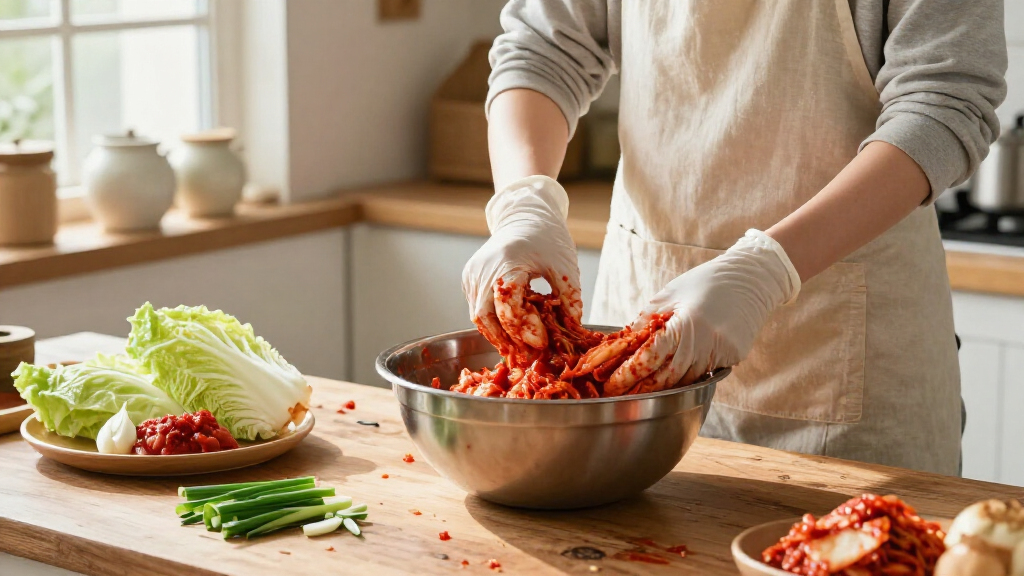
I compared the 13 options by how well their stated format, style, and dietary attributes serve common kimchi-buying needs. The ranking favors products that offer a recognizable napa cabbage kimchi experience alongside practical usability: package size, serving flexibility, and clear fit for a specific taste or dietary preference. I also separated traditional-style choices from adjacent products such as cucumber kimchi and kimchi-style sauerkraut so readers do not mistake a variation for a like-for-like replacement.
That logic puts Choi’s Spicy Napa Cabbage Kimchi first as a large, broadly useful classic-style choice, with Choi’s white version close behind for shoppers who prefer less heat. Jongga ranks well for portioning, while Jayone’s smaller packs serve a different convenience need. Bulk formats can be useful for frequent eaters, but they lose ground for occasional use; specialty styles earn a place for their distinct purpose, not because they suit every kimchi fan. I base these distinctions on the supplied product information and do not infer unlisted ingredients, fermentation conditions, or flavor details.
| kimchi | Fermentation |
|---|---|
| Choi’s Kimchi Co. Vegan White | Unpasteurized; naturally fermented |
| Jongga Spicy Fermented Napa Ca | — |
| Jayone Naturally Fermented Nap | Naturally fermented |
| Choi’s Kimchi Co. Spicy Napa C | Naturally fermented |
| Kühne Kimchi-Style Sauerkraut | — |
| AngelVip Sliced Napa Cabbage K | Naturally fermented |
| Olive My Pickle Classic Napa C | Raw and unpasteurized |
| Olive My Pickle Fermented Kimc | — |
| Korean Napa Cabbage Kimchi | — |
| Wise Goat Organics Organic Raw | Wild fermentation; micro-batches |
| Olive My Pickle Vegan Cucumber | — |
| Jayone Naturally Fermented Nap | Naturally fermented |
| Sliced Napa Cabbage Kimchi | Small-batch, naturally fermented |
Factors to Consider When Choosing Best Kimchi
Before choosing a package, decide how kimchi fits into your meals. The biggest avoidable mismatch is buying by size or label alone: a large container can be awkward for occasional use, and a product called kimchi-style may differ from the napa cabbage staple you expect. These factors help narrow the field beyond the individual picks.
Choose the cabbage style before the package
Classic napa cabbage kimchi is the closest fit when you want a familiar side dish or a versatile ingredient for rice, noodles, and cooked dishes. Cucumber kimchi changes the vegetable and eating experience, so it makes more sense as a deliberate variation than as a substitute for napa. Kimchi-style sauerkraut is another distinct branch: the name signals a style, not necessarily the same ingredients or character as Korean napa kimchi. A common mistake is to assume every product with kimchi in its name will work the same way in a recipe. If a dish depends on the cabbage texture or flavor, choose a napa cabbage option first. Branch out to cucumber or sauerkraut when you want variety rather than a direct replacement.
Match heat and flavor intensity to how you eat it
Think about whether you eat kimchi in small bites, serve it alongside a meal, or mix it through a whole dish. A spicy option can bring more presence to a bowl or cooked recipe, but may dominate meals for people who prefer a gentler side. A white kimchi option provides a useful direction for shoppers seeking less heat, though the product description alone cannot promise a specific flavor profile. If several people share one container, a milder choice can be easier to pair with different meals, with heat added separately at the table. Do not assume that vegan or gluten-free labeling predicts spice level; those labels address different needs. When heat tolerance is uncertain, begin with a smaller format rather than committing to a large tub.
Pick a package size based on serving rhythm
Large containers make sense when kimchi is a regular part of meals or when you cook for several people. Their tradeoff is commitment: a half-gallon tub or 52.9-ounce package takes more refrigerator space and may be inconvenient for someone who eats kimchi only now and then. Small packs can help with portioning, packed meals, or trying a product without opening a large quantity. Multipacks provide more units, but they may not be the best fit if you want one container that is easy to serve from. Estimate how often you will use kimchi over a typical week, not just how much you enjoy it in theory. Match the package to that habit, and check the product’s storage directions after opening.
Read dietary labels as specific claims, not shortcuts
Vegan, gluten-free, non-GMO, and organic labels answer different questions, so start with the restriction or preference that actually matters to you. Do not treat one claim as proof of another: vegan labeling does not by itself confirm gluten-free status, and organic does not describe heat or texture. Product names in this lineup make several dietary claims, but anyone managing an allergy or strict dietary requirement should check the current package ingredient list and allergen statement. Recipes and labeling can change, so a roundup description is not a substitute for the label in hand. If no dietary restriction applies, compare taste style and package format instead of paying extra attention to claims you do not need. This keeps the choice focused on what affects your meals.
Decide whether you want a ready-to-eat side or a cooking ingredient
Kimchi can be eaten as a side or used in cooked dishes, but those uses put different demands on a product. For serving directly, package access and portion size matter because you may open it repeatedly at the table. For cooking, a larger format can be practical if the recipe uses several servings, while a small pouch may reduce leftovers for a one-off meal. A variety pack can help when you want options across meals, but it is less focused than buying a single style you already know suits your routine. Consider whether you want a consistent staple or several styles to sample. That choice can matter more than a small difference in container design.
Pay for variety or convenience only when you will use it
A multipack, variety pack, or specialty vegetable can bring useful choice, but it can also add formats you may not reach for. Variety is most helpful when several people have different preferences or you already know you enjoy changing styles. Portion-oriented pouches are useful when opening a big container would create friction, while a large single tub better serves frequent use. Avoid choosing a larger pack just because it seems like a better pantry fit; storage space and consumption pace still matter. For a first purchase, a small pack reduces the risk of being left with a style you do not enjoy. Once you know your preferred heat and format, a larger pack becomes easier to justify.
Frequently Asked Questions
Which option is the safest starting point if I am unsure about heat?
Choi’s Vegan White Napa Cabbage Kimchi is the most direct starting point in this lineup for shoppers seeking a milder alternative to spicy napa cabbage kimchi. The product name distinguishes it from Choi’s spicy version, which makes the comparison straightforward. If you are especially sensitive to heat, a smaller pack such as a Jayone 4-pack can limit how much you commit to, though its description does not specify a mild profile. Check the current label for ingredients and serving guidance. You can also serve kimchi in a small side portion before adding it to an entire dish.
Should I choose a large tub or individually portioned packs?
Choose a large tub if kimchi is a regular part of your meals and you have room to store it after opening. Choi’s half-gallon containers and the 52.9-ounce sliced options are aimed at buyers who can use a larger quantity. Jongga’s eight pouches and Jayone’s small multipacks make portioning easier and can suit lunches or occasional meals. The tradeoff is that smaller units may be less convenient when you want to serve a large group or scoop kimchi straight from a container. Compare your actual weekly use and follow the package’s storage directions rather than buying by size alone.
Is kimchi-style sauerkraut a good substitute for napa cabbage kimchi?
Kühne Kimchi-Style Sauerkraut may suit someone interested in a sauerkraut product with a kimchi-inspired style, but it is not the closest match when a recipe calls for Korean napa cabbage kimchi. The wording identifies a different product category, so ingredients, texture, and flavor should not be assumed to match traditional napa kimchi. For a side dish or recipe where napa cabbage is central, choose one of the lineup’s napa cabbage options instead. If you are open to a variation, read the package details and decide whether its style fits the meal. Treat it as an alternative, not a guaranteed one-for-one swap.
What should I check if I need vegan or gluten-free kimchi?
Look for the specific claim you need on the current package, then review its ingredient list and allergen statement. Several lineup products explicitly describe themselves as vegan or gluten-free, including Choi’s spicy napa cabbage kimchi, while some other names state only one or neither of those claims. Do not infer gluten-free status from vegan labeling, or vegan status from a product being fermented. For a strict allergy or dietary restriction, contact the manufacturer if the label leaves any uncertainty. Product information can change, so the package is the final reference.
When does a variety pack make more sense than buying one style?
A variety pack makes sense when you already enjoy kimchi and want more than one style available, or when people sharing the food have different preferences. Olive My Pickle’s fermented variety pack is the lineup’s clearest option for that purpose. A single product is a better choice when you know you want classic napa cabbage kimchi or are still learning which styles you like. Variety can reduce repetition, but it also means you may receive styles that are less useful for your usual meals. For a first purchase, a smaller, clearly identified single style can make preference-matching simpler.
Conclusion
For a broadly useful classic-style pick, I recommend Choi’s Spicy Napa Cabbage Kimchi as best overall; choose it if you want a large vegan, gluten-free batch and expect to use it often. Choi’s Vegan White Napa Cabbage Kimchi is the best choice for shoppers who prefer a less spicy direction, while Jongga’s eight pouches are the practical pick for portion control. For a best-value-style choice based on pack flexibility rather than price, Jayone’s 4-pack suits buyers who want small portions without committing to a large container; its 12-pack makes more sense for regular use. The Olive My Pickle variety pack is the premium-style choice for people who want multiple fermented options in one purchase, while Kühne’s kimchi-style sauerkraut and Olive My Pickle’s cucumber kimchi serve shoppers looking for a specific variation. If you are new to kimchi, start with a smaller pack and a style that matches your heat preference; if you already eat it frequently, a larger napa cabbage format is the more natural fit.