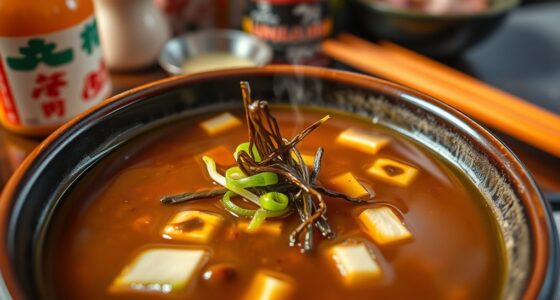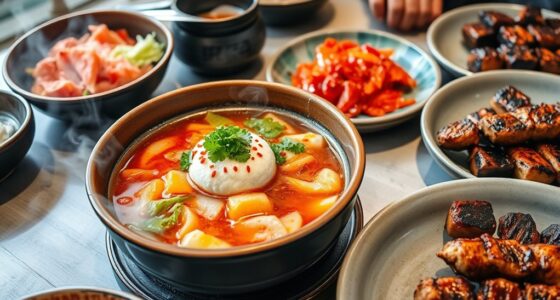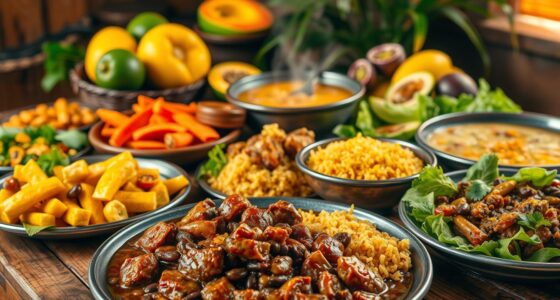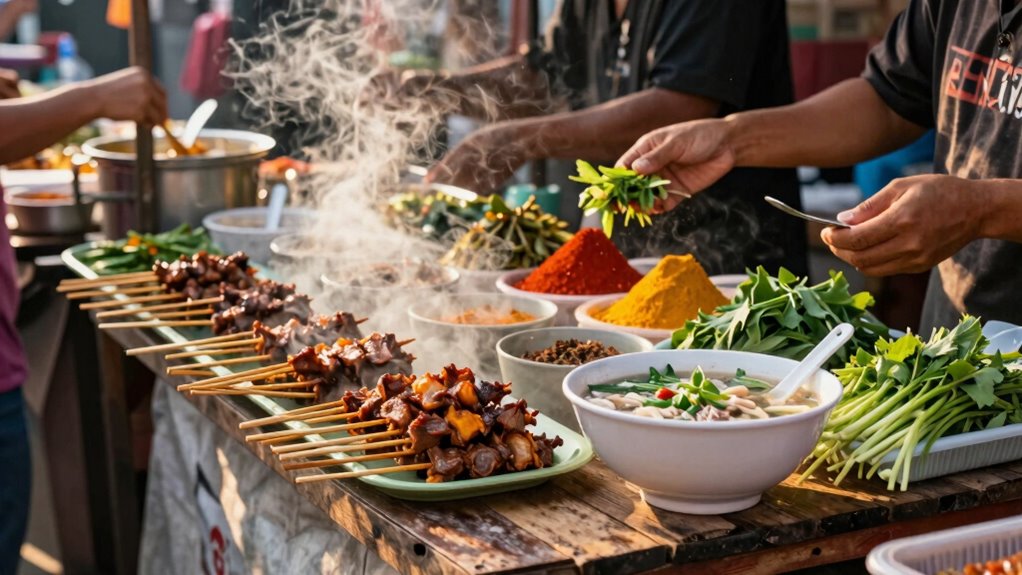

Cooking methods like stir-frying, roasting, braising, and grilling are the true universal languages, crossing borders and cultures more effectively than specific dishes. These techniques connect people through shared principles of heat, timing, and ingredient interaction, allowing for endless adaptation with local ingredients and flavors. Their versatility and fundamental mechanics make them accessible and influential worldwide. If you keep exploring, you’ll discover how these methods foster creative culinary exchange across cultures.

Get kitchen staples and gadgets delivered free — and shop member deals
- Fast, free delivery on millions of items
- Access to Prime Big Deal Days deals on October 6–7
- Prime Video, Amazon Music and more included
Key Takeaways
- Fundamental techniques like stir-frying, roasting, and braising are universally adaptable across cultures and cuisines.
- Shared cooking methods serve as a common language, enabling cultural exchange beyond specific dishes.
- Cross-border techniques are often modified with local ingredients, creating new culinary identities and fusion styles.
- Understanding the mechanics of methods fosters innovation and allows easy adaptation to diverse ingredients.
- Techniques embody human universality, connecting cultures through shared culinary principles rather than specific recipes.
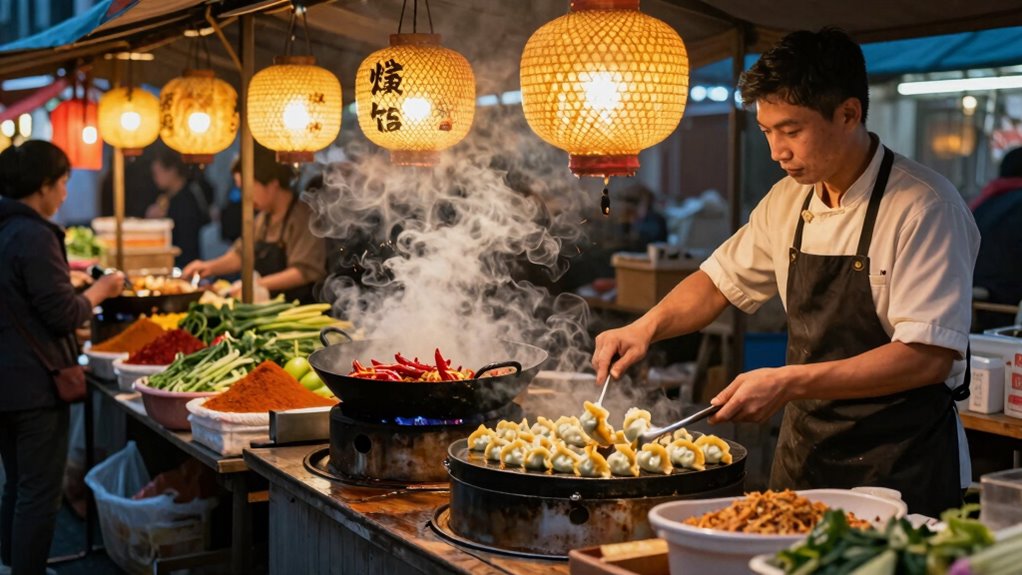
Cooking methods have a remarkable way of crossing borders, connecting cultures through shared techniques and flavors. These methods often serve as the backbone for culinary exchanges, allowing chefs and home cooks alike to experiment with fusion techniques and cultural adaptations. When you understand the core techniques, you realize they’re not confined by geography—they’re universal tools that can be adapted to create new, exciting dishes. For example, stir-frying, a method originating in Asia, has found its way into Western kitchens, not just as a cooking style but as a way to combine ingredients from different cultural backgrounds quickly and efficiently. It embodies how a simple technique can be transformed through cultural adaptations, blending flavors and ingredients that might otherwise never meet.
The beauty of these crossing methods lies in their versatility. You can take a traditional technique like roasting or braising and put a unique spin on it by incorporating elements from other cuisines. Fusion techniques, in particular, thrive on this idea—melding different culinary traditions into a cohesive dish. Think of Korean BBQ tacos or Indian-inspired pizza; these are perfect examples of how cultural adaptations of cooking methods create entirely new culinary identities. It’s not just about mixing ingredients but also about blending the techniques, which often requires a bit of ingenuity and an open mind. Understanding the mechanics behind these methods can help you innovate in the kitchen. Recognizing how heat, timing, and ingredient interaction work together across different techniques allows for more confident experimentation. Additionally, these shared techniques often emphasize adapting for local ingredients, making them even more accessible and relevant worldwide.
When you explore these cross-border methods, you learn to see the underlying principles that make them effective—how heat, timing, and ingredient interaction come together. These principles are the same whether you’re making a French confit or a Mexican carne asada. By understanding the mechanics behind the method, you can adapt it to whatever ingredients you have on hand, regardless of their origin. This flexibility allows you to push boundaries without losing the essence of the technique itself. Additionally, understanding the shared human experience behind these methods highlights their universal appeal and adaptability. Recognizing the fundamental techniques shared across cuisines can inspire new culinary experiments and foster greater appreciation for diverse food traditions. Exploring these shared techniques can also enhance your confidence in trying new recipes and flavor combinations.
Ultimately, the reason these methods travel so well is that they’re rooted in functionality and shared human experience. They transcend language, geography, and tradition, offering a common ground for culinary innovation. You don’t need to be a professional chef to appreciate how these techniques can be adapted to your taste and cultural background. They’re tools for creativity, inviting you to experiment and craft dishes that honor different traditions while making them your own. In doing so, you become part of a global conversation—one where techniques and cultural adaptations unite us through the universal language of food.
As an affiliate, we earn on qualifying purchases.
Frequently Asked Questions
How Do Cooking Techniques Adapt to Different Cultural Tastes?
You adapt cooking techniques by incorporating fusion techniques and flavor adaptations to suit different cultural tastes. You experiment with combining traditional methods from one cuisine with ingredients or spices from another, creating unique dishes that resonate locally. By understanding cultural preferences, you modify seasonings, textures, and presentation styles, ensuring your culinary creations feel authentic and appealing to diverse palates, making your dishes both innovative and culturally respectful.
Are Certain Ingredients Essential for International Cooking Methods?
Certain ingredients are essential for international cooking methods because they define authentic flavor profiles. However, you can use ingredient substitutions when necessary, adapting recipes to local availability or dietary needs. For example, swapping coconut milk for cream or tamarind for lime juice can maintain the essence of a dish. These substitutions help preserve original flavors while allowing flexibility across different cuisines, making international cooking more accessible and adaptable.
How Do Climate Changes Affect Traditional Cooking Methods?
Climate impact can threaten traditional cooking methods by altering ingredient availability and affecting ingredient quality, making recipes less resilient. You might notice changes in cooking times or flavors as seasons shift, requiring you to adapt recipes. To maintain recipe resilience, you need to innovate with local ingredients and new techniques. This way, you preserve cultural culinary practices despite climate challenges, ensuring your cooking remains authentic and sustainable.
Can Cooking Methods Be Standardized Across Diverse Cuisines?
Yes, you can standardize cooking methods across diverse cuisines by embracing fusion flavors and culinary innovations. You adapt techniques like grilling or steaming, which work worldwide, and blend ingredients from different cultures to create new dishes. This approach helps maintain authenticity while encouraging experimentation. Your openness to fusion flavors and culinary innovations fosters a shared culinary language, making it easier to standardize methods without losing the unique essence of each cuisine.
What Role Does Technology Play in Spreading Cooking Techniques Globally?
Technology plays a crucial role in spreading cooking techniques globally. It enables you to access tutorials, cooking shows, and online classes, fostering culinary innovation and encouraging fusion cuisine. Through social media platforms, you can share and discover new methods, blending diverse traditions into unique dishes. This connectivity accelerates the exchange of techniques, helping you incorporate international styles into your own cooking, making culinary borders more fluid and exciting.
Conclusion
So, next time you cook, remember: these methods are like magical passports, whisking your flavors across borders faster than a jet plane. They turn simple ingredients into global sensations, making your kitchen a mini United Nations of taste. With just a few techniques, you’re not just preparing a meal—you’re creating a worldwide culinary adventure that could conquer continents without even leaving your home. Get ready to become a true culinary voyager—your taste buds will thank you!
NFL season / tailgating Picks
team gear
As an affiliate, we earn on qualifying purchases.