
Comparing regional noodle traditions shows you how local ingredients, cultural practices, and environmental resources shape unique flavors and preparations. You’ll notice how Italy’s firm pasta reflects rich sauces, while Japan’s meticulous ramen highlights craftsmanship, and Vietnam’s fresh herbs create aromatic broth. These differences teach you that regional resources and customs influence not just ingredients but also dining manners. Keep exploring to discover more ways these culinary traditions reveal deeper cultural identities.
Key Takeaways
- Regional ingredients shape unique noodle flavors and textures, highlighting local resources and sustainability practices.
- Cultural customs influence preparation, presentation, and etiquette, reflecting each region’s culinary identity.
- Noodle styles serve as expressions of local history, environment, and resource availability.
- Comparing regions reveals how traditional techniques and resource use foster culinary diversity.
- Appreciation of craftsmanship and cultural values guides regional variations in noodle consumption and enjoyment.
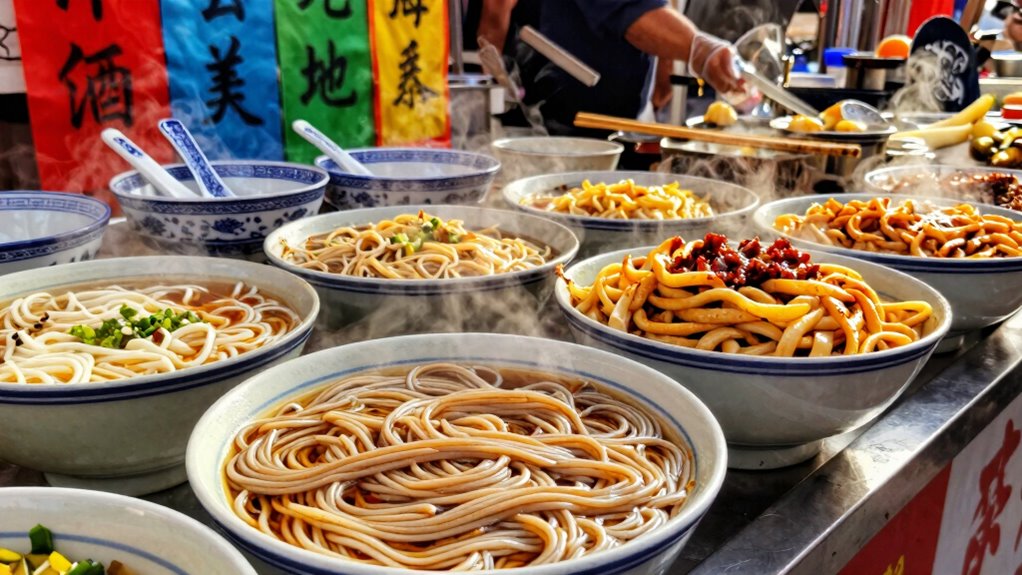
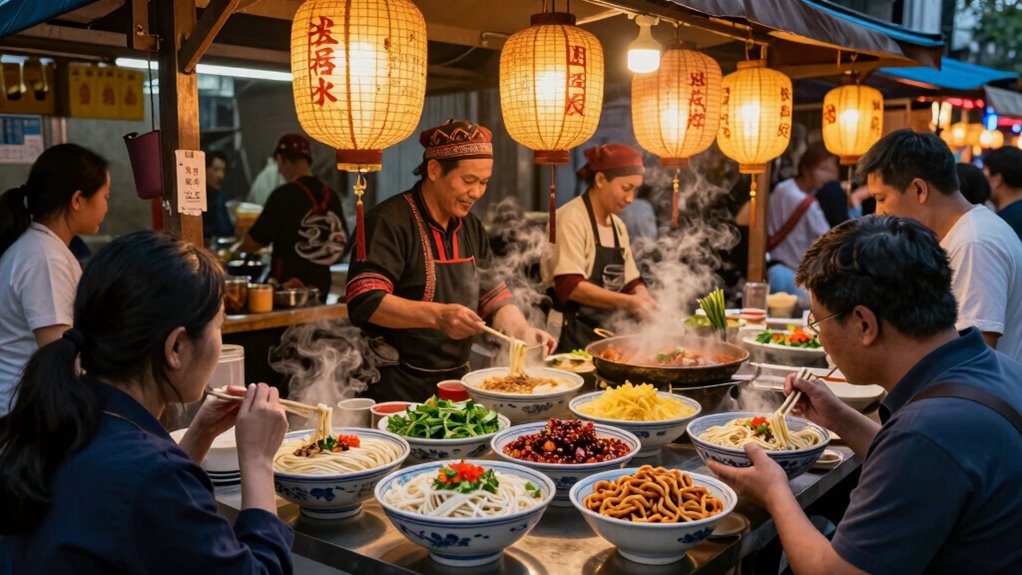
Have you ever wondered how different regions approach making and enjoying noodles? When you explore the world of noodles, you quickly realize that each place brings its own unique touch, shaped by cultural influences and ingredient variations. These differences aren’t just about recipes—they reflect history, geography, and local tastes. For example, in Italy, pasta is often made from durum wheat, resulting in a firm texture suited for boiling and tossing with rich sauces. Meanwhile, in China, wheat-based noodles are common, but rice noodles also hold a significant place due to rice cultivation. These ingredient variations show how local resources influence the very foundation of noodle dishes, giving each region its signature flavors and textures. ingredient variations are crucial in defining regional noodle styles and taste profiles. Cultural influences deeply shape how noodles are prepared and enjoyed. In Japan, ramen is more than just noodles; it’s a cultural experience with regional styles—like the rich, pork-based tonkotsu or lighter shoyu broth. The way Japanese culture values craftsmanship and presentation influences the meticulous preparation of ramen bowls. In contrast, Southeast Asian countries like Vietnam favor pho, which is infused with herbs, spices, and a clear beef or chicken broth that reflects their culinary focus on fresh, aromatic ingredients. These cultural nuances extend beyond ingredients to how people eat and appreciate noodles. Slurping noodles in Japan is considered polite and shows enjoyment, while in Italy, twirling pasta elegantly with a fork reflects a different dining etiquette rooted in tradition. Additionally, regional cooking techniques play a role in shaping the final flavor and texture of noodle dishes across cultures. Recognizing how local resources influence ingredient choices highlights the importance of sustainability in regional culinary practices.
As an affiliate, we earn on qualifying purchases.
Frequently Asked Questions
How Do Regional Noodle Ingredients Differ Globally?
You’ll notice regional noodle ingredients differ globally, showcasing fusion flavors and ingredient variations. In Asia, rice and wheat are staples, while in Italy, durum wheat creates hearty pasta. Southeast Asia uses rice noodles infused with tropical herbs, whereas Japan features soba made from buckwheat. These differences reflect local produce and culinary traditions, teaching you how diverse ingredients shape unique textures and flavors in noodle dishes worldwide.
What Cultural Influences Shape Regional Noodle Recipes?
You see that regional noodle recipes are shaped by diverse cultural influences and culinary history, blending traditional ingredients with fusion flavors. For example, Asian, Middle Eastern, and European cultures each bring unique spices and techniques, creating distinct tastes. These influences reflect historical trade routes, migration, and local customs, which all contribute to regional variations in noodle dishes. Your experience with these diverse recipes highlights how history and culture shape each unique bowl.
Are There Health Benefits Unique to Regional Noodle Varieties?
Yes, regional noodle varieties offer unique health benefits through their nutritional variations and ingredient sourcing. For instance, rice noodles are gluten-free, making them easier on digestion, while whole wheat versions provide more fiber. Local ingredient sourcing guarantees freshness and nutrient retention, boosting antioxidant levels and vitamins. By choosing regional noodles, you benefit from diverse nutritional profiles tailored to local diets, supporting better health and digestion.
How Do Regional Cooking Techniques Affect Noodle Texture?
Think of regional cooking techniques as artists shaping a sculpture; they mold noodle texture through unique methods. Your flavor profiles change with each technique—boiling, stir-frying, or steaming—altering the noodle’s chewiness and sheen. When you master different cooking methods, you discover how regional nuances influence texture, making every bite a tribute to local tradition. Embrace these techniques to elevate your culinary creations and truly appreciate regional noodle diversity.
What Regional Traditions Are Associated With Noodle Eating?
You’ll find that regional traditions around noodle eating often involve fusion cuisines and lively festival celebrations. In China, during Lunar New Year, people enjoy symbolic noodles for longevity, while Japan’s soba noodles are central to New Year’s Eve. Italy’s pasta dishes are part of family traditions, and Southeast Asian festivals feature rice noodles in vibrant street parades. These customs highlight how noodles connect communities through shared cultural and festive experiences.
Conclusion
So, next time you slurp a bowl of noodles, remember, each region offers a unique lesson—whether it’s the ancient craft of hand-pulling in China or the hearty broths of Italy. Like a knight in shining armor, embracing these differences enriches your palate and broadens your world. In this fast-paced age, don’t forget what the wise old sage once said: “Variety is the spice of life.” Keep exploring, and let each noodle tell its story.