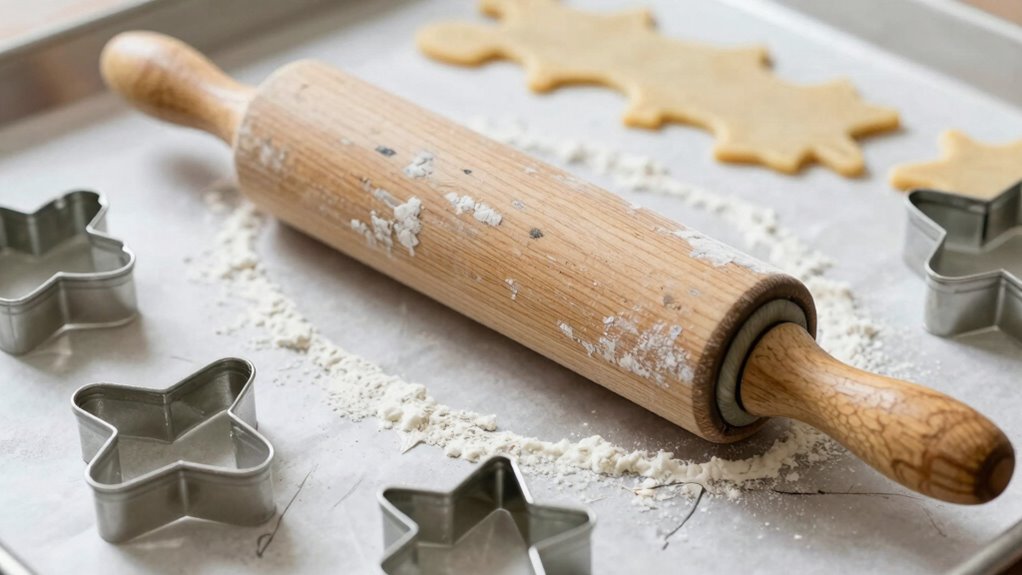

Your baking results are heavily influenced by your equipment, often more than the recipe itself. The materials, shapes, and even the heat transfer properties of your bakeware affect how your baked goods rise, brown, and develop texture. For example, metal pans heat differently than glass, changing crust and crumb. The tools you use for mixing also impact gluten development and air incorporation. Keep exploring to discover how adjusting your gear can elevate your baking outcomes even further.

Get kitchen staples and gadgets delivered free with Prime
- Fast, free delivery on millions of items
- Prime Video, Amazon Music and more included
- Member-only deals all year
Key Takeaways
- Equipment material and design affect heat transfer, influencing crust, crumb, and overall texture beyond recipe instructions.
- Variations in bakeware shape and size alter moisture retention and baking environment, impacting final texture.
- Mixing tools and vessel shape influence gluten development and aeration, shaping batter structure.
- Oven conditions and equipment interactions can cause unexpected differences in crumb and rise.
- Understanding equipment impacts allows for better control and consistency, often more than recipe adjustments.
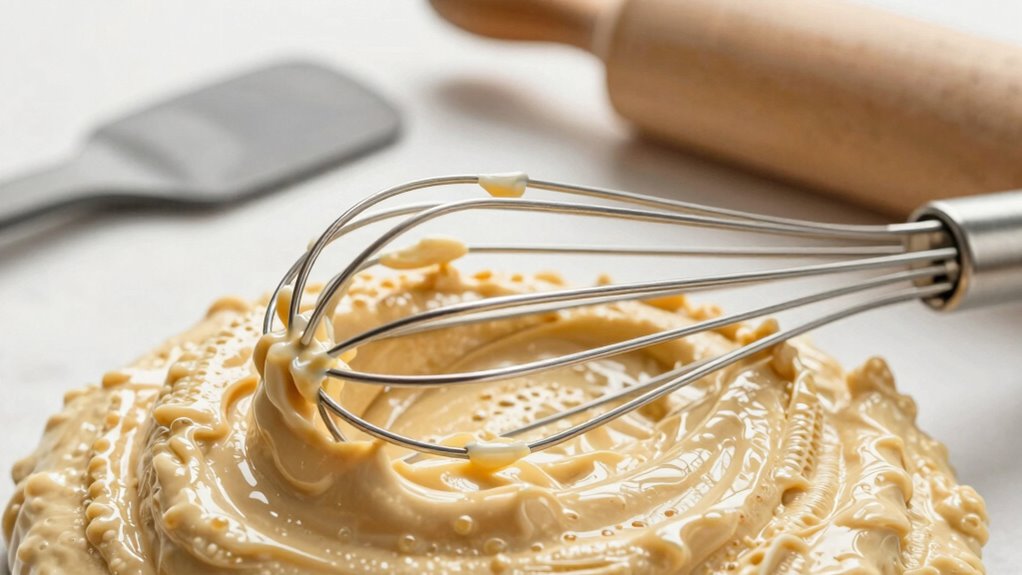
When it comes to baking, the tools you use often have a bigger impact on the final texture than the specific recipe you follow. While recipes provide a roadmap, your choice of baking equipment variations can dramatically influence how your baked goods turn out. Different pans, mixers, or even the type of oven can alter heat distribution, moisture retention, and overall structure. These factors directly affect ingredient interactions, which are vital for achieving the desired crumb, rise, or tenderness. For example, using a dark metal pan absorbs heat differently than glass, leading to quicker browning and potentially a denser texture if not adjusted properly. Likewise, a non-stick loaf pan may affect how the batter expands and forms structure, making the difference between a light, airy bread and a dense one.
Baking tools greatly influence texture, affecting heat, moisture, and structure more than the recipe itself.
You might assume that following a recipe exactly guarantees the same texture every time, but your equipment can cause unexpected variations. When you change your mixing bowls, for instance, the material’s heat transfer properties influence how ingredients combine and react. Metal beaters versus silicone spatulas can also impact aeration—metal tools often whip air into batters more efficiently, resulting in lighter textures. The size and shape of your baking vessel matter, too. A wider, shallower pan exposes more surface area to heat, promoting faster crust formation and potentially affecting moisture retention inside. These equipment choices change how ingredients like flour, eggs, or fats interact during baking, influencing gluten development, leavening, and moisture distribution. Additionally, the material composition of your bakeware can alter heat conduction, further impacting the final outcome. Recognizing how bakeware materials influence heat transfer can help you anticipate and adjust for differences in your baked goods. Moreover, understanding the thermal properties of your equipment allows for more precise control over baking conditions.
Understanding ingredient interactions in relation to your equipment helps you predict and control texture outcomes. For example, if you’re baking a cake, the type of pan used affects heat conduction, which in turn influences how the batter’s leavening agents produce bubbles and how the crumb sets. Similarly, in bread baking, the oven’s humidity and rack position can impact crust development and crumb openness by altering moisture escape and heat flow. You might find that a specific mixer speed or kneading time works perfectly with one bowl type but produces a different result with another. Recognizing these subtle yet powerful effects allows you to tweak your gear to consistently achieve your preferred texture. Additionally, being aware of thermal conductivity and how it interacts with your ingredients can further refine your baking results. It’s also helpful to understand how different baking environments can influence overall outcomes, such as ambient humidity or air circulation.
In essence, if you want reliable, consistent baked goods, paying attention to your baking equipment variations and understanding how they interact with ingredients is essential. While recipes provide the foundation, your tools shape the final structure by influencing heat transfer, moisture, and ingredient reactions. Experimenting with different equipment setups helps you learn what works best for your desired outcome, making your baking more precise and enjoyable. Ultimately, it’s not just about following instructions but about mastering how your gear interacts with ingredients to craft the perfect texture every time.
As an affiliate, we earn on qualifying purchases.
Frequently Asked Questions
How Does Baking Gear Influence the Final Appearance of Baked Goods?
Baking gear influences the final appearance of your baked goods by controlling oven temperature and ingredient interactions. For example, a dark baking pan absorbs more heat, resulting in a darker crust, while a glass dish may produce a lighter one. The size and material of your baking tools also affect how ingredients interact, shaping the final look and texture. Using the right gear guarantees consistent, appealing results every time.
Can Different Brands of the Same Tool Produce Different Textures?
Like a trusty sword in a knight’s arsenal, different brands of the same baking tool can produce varying textures. You’ll notice brand consistency matters—material variations influence heat conduction, non-stick qualities, and durability. Even if the design looks alike, subtle differences in quality and manufacturing processes can change your baked goods’ final feel. So, choosing your brand carefully helps guarantee your texture turns out just right, every single time.
Why Do Some Recipes Require Specific Baking Equipment?
You need specific baking equipment because ingredient interactions depend heavily on the right tools, ensuring proper heat distribution and consistency. Using the correct gear helps achieve desired textures, while equipment maintenance prevents issues like uneven baking or sticking. Different recipes demand specialized tools to optimize results—like a springform pan for cheesecakes or a stand mixer for kneading dough—making sure your baking turns out perfect every time.
How Does the Age of Baking Gear Affect Its Performance?
The age of your baking gear impacts its performance because material degradation can weaken its structure, leading to uneven baking. Older equipment may not retain heat as efficiently, causing inconsistent results. Over time, non-stick coatings may wear off, and metal can corrode, affecting texture. Regularly check your gear, replace worn items, and consider the material’s age to guarantee the best heat retention and consistent baking outcomes.
Are There Universal Tools That Work Well for All Baked Products?
There aren’t many universal tools that work perfectly for all baked products, but alternative tools like silicone spatulas, adjustable baking racks, and multi-purpose mixing bowls offer excellent equipment versatility. These tools adapt well to different recipes, from bread to cookies. You should focus on selecting versatile equipment that can handle various tasks, ensuring consistent results and making your baking process more efficient and enjoyable across a wide range of baked goods.
Conclusion
Next time you bake, remember how your trusty gear quietly influences every crumb and crust. It’s funny how a simple pan or tool can transform your recipe, almost like fate nudging your creation toward perfection. Maybe it’s coincidence, or maybe just good design, but your gear’s subtle touch guides your baking journey. So, embrace those tools — they’re more than just equipment; they’re the silent artists shaping your delicious destiny.
Halloween Picks
halloween
As an affiliate, we earn on qualifying purchases.