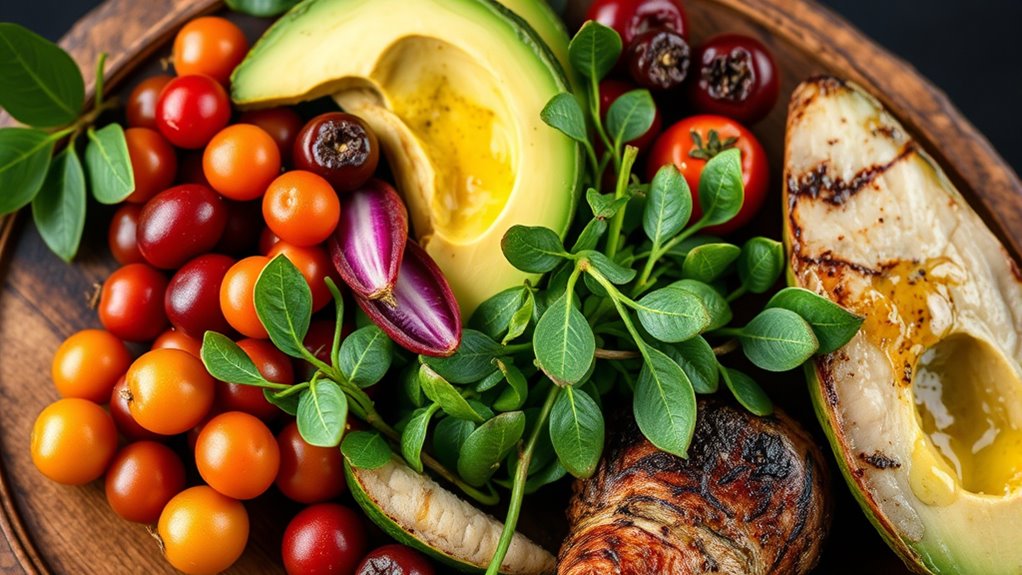

Australian Indigenous bushfoods, or bushfoods, are deeply rooted in cultural traditions dating back tens of thousands of years. You’ll find traditional harvesting methods that honor land and seasonal cycles, ensuring sustainability. Today, chefs blend these ingredients like wattleseed, finger limes, and bush tomatoes into modern dishes, showcasing their unique flavors and cultural significance. By exploring this vibrant culinary world, you’ll discover how tradition and innovation come together in every bite. Keep going to uncover more about these fascinating flavors.

Get kitchen staples and gadgets delivered free — and shop member deals
- Fast, free delivery on millions of items
- Access to Prime Big Deal Days deals on October 6–7
- Prime Video, Amazon Music and more included
Key Takeaways
- Australian Indigenous foods, or bushfoods, include ingredients like bush tomatoes, wattleseed, and finger limes, rich in cultural heritage.
- Traditional harvesting methods emphasize sustainability, respect for land, and seasonal cycles, passed down through generations.
- Modern chefs incorporate bushfoods into contemporary cuisine, blending traditional flavors with innovative techniques.
- Indigenous ingredients offer unique flavors such as tangy, nutty, and citrusy notes, enhancing diverse culinary creations.
- The integration of bushfoods promotes cultural appreciation, preserves traditions, and expands Australia’s modern gastronomic landscape.

Have you ever wondered about the rich flavors and ancient traditions behind Australian Indigenous foods? These foods are more than just ingredients; they’re a gateway to a deep cultural history that stretches back tens of thousands of years. The Indigenous peoples of Australia have long relied on traditional harvesting methods to gather their bushfoods, respecting the land and its seasonal cycles. They carefully select plants, fruits, seeds, and insects, often using time-honored techniques that have been passed down through generations. For example, they might dig for yams or gather bush tomatoes, all while maintaining a sustainable balance with nature. This traditional harvesting isn’t just about sustenance; it’s a spiritual practice woven into their connection with the land, ensuring that these resources remain available for future generations.
In recent years, chefs and food enthusiasts have started to incorporate these ancient ingredients into contemporary recipes, blending tradition with innovation. This movement has helped bring Australian Indigenous foods into the mainstream culinary scene, showcasing their versatility and unique flavors. You’ll find Bush tomatoes adding a tangy punch to salads, wattleseed used to create aromatic bread or desserts, and finger limes delivering bursts of citrus in modern dishes. These ingredients are now featured in fine dining restaurants and casual cafes alike, often prepared with a contemporary twist that highlights their natural qualities while making them accessible to a broader audience. Chefs respect the traditional roots of these ingredients but also experiment with new techniques and flavor pairings, resulting in dishes that celebrate both history and innovation.
As an affiliate, we earn on qualifying purchases.
Frequently Asked Questions
How Do Indigenous Communities Sustainably Harvest Bushfoods?
You can support indigenous communities by practicing sustainable harvesting, ensuring you gather bushfoods without damaging plant populations. They often follow community practices that limit collection to certain seasons, amounts, and specific areas, helping preserve ecosystems. Respect their knowledge and protocols, and avoid overharvesting. By doing so, you help maintain these essential food sources, support cultural traditions, and promote environmental health for future generations.
Are There Any Health Benefits Associated With Bushfoods?
You’ll find that bushfoods offer impressive health benefits, thanks to their high nutritional value and antioxidant properties. Consuming these foods can boost your immune system, improve digestion, and provide essential vitamins and minerals. Their natural antioxidants help fight free radicals, reducing your risk of chronic diseases. Incorporating bushfoods into your diet supports overall wellness while connecting you to Australia’s rich indigenous heritage.
What Challenges Exist in Commercializing Indigenous Food Products?
You face challenges in commercializing indigenous food products like limited market access and establishing strong branding strategies. Gaining recognition can be tough due to cultural sensitivities and regulatory hurdles. You need to develop effective branding that respects traditions while appealing to modern consumers. Building trust with communities, maneuvering legal restrictions, and creating distribution channels are essential steps to successfully bring these unique foods to a broader market.
How Do Traditional Recipes Influence Modern Culinary Trends?
Traditional recipes inspire modern culinary innovation by blending indigenous ingredients into fusion cuisine. For example, a chef might create a dish combining lemon myrtle with Asian spices, showcasing cultural fusion. These recipes influence trends by honoring heritage while appealing to diverse palates. You can see how respecting traditional methods sparks creativity, encouraging chefs to experiment and evolve flavors, ultimately making indigenous foods a vibrant part of contemporary dining experiences.
What Cultural Protocols Should Be Observed When Sourcing Bushfoods?
When sourcing bushfoods, you should prioritize cultural respect and ethical sourcing. Always seek permission from Indigenous communities and honor their protocols, ensuring you understand the cultural significance of the ingredients. Respect their knowledge and traditions, avoiding exploitation. By doing so, you support Indigenous livelihoods and preserve cultural integrity. Remember, responsible sourcing isn’t just about legality but showing genuine respect for the cultural heritage behind these unique foods.
Conclusion
As you explore Australian indigenous foods, you’ll discover a culinary treasure trove more breathtaking than you ever imagined. From bushfoods to modern twists, these flavors connect you to ancient traditions and vibrant cultures. Embrace the richness and diversity—they’re truly a feast for your senses. Don’t miss out on experiencing this extraordinary heritage because, honestly, it’s like tasting history itself, and once you do, you’ll never want to go back!
Halloween Picks
halloween
As an affiliate, we earn on qualifying purchases.