
🔍 Read the full analysis: Supplì Vs Arancini: Rome And Sicily's Fried Rice Rivalry on Mad Tasting
TL;DR
Supplì and arancini are iconic Italian fried rice snacks from Rome and Sicily, respectively. They differ in shape, size, ingredients, and cultural role, sparking regional pride and culinary debate.
Roman supplì and Sicilian arancini are two iconic fried rice snacks that exemplify Italy’s regional culinary identities. For a detailed comparison, see Supplì vs Arancini: Rome and Sicily’s Fried Rice Rivalry. While often confused or lumped together outside Italy, they are distinct in shape, ingredients, and cultural context. Learn more about their differences in the original analysis. This rivalry reflects deep regional pride and culinary tradition, making it a noteworthy topic for food enthusiasts and travelers alike.
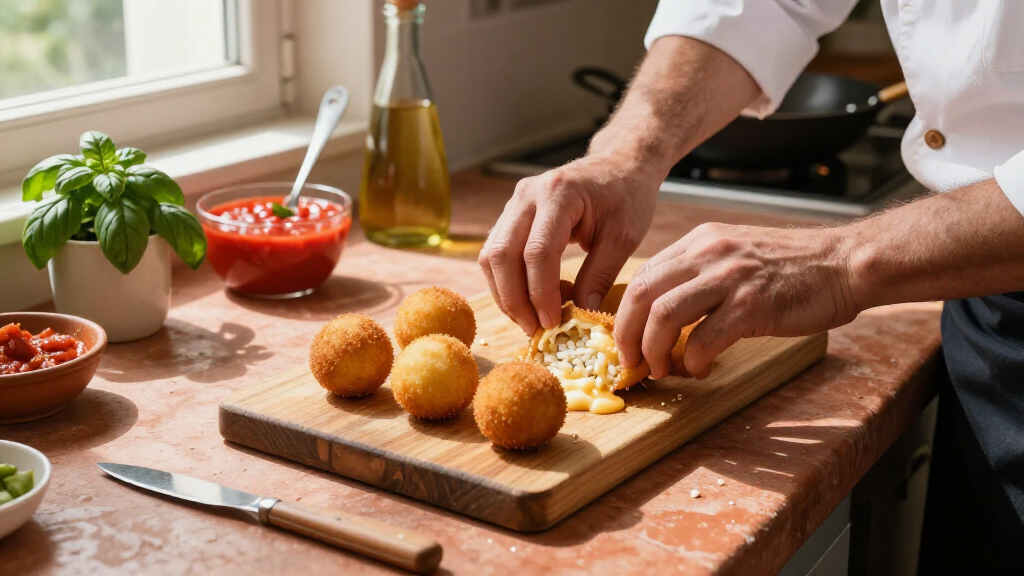
Supplì originate from Rome and are small, elongated, or oval-shaped rice croquettes, typically about the size of a palm. They are made with tomato-seasoned rice, wrapped around a core of low-moisture mozzarella, then breaded and fried to achieve a crunchy exterior. The hallmark of a good supplì is the ‘telephone cord’ cheese pull when split, which signifies the molten mozzarella inside. The dish is traditionally a pizzeria snack or street food, often served as a pre-pizza appetizer.
In contrast, arancini are Sicilian rice balls or cones, generally much larger than supplì, often about the size of a tennis ball or bigger. They are made from saffron-infused rice, shaped around a defined filling such as ragù with peas and cheese, then breaded and deep-fried. The shape varies regionally—round in Palermo and cone-shaped in Catania—each shape symbolizing local identity and culinary tradition. Arancini are substantial enough to serve as a full meal, commonly eaten as street food or lunch.
Despite sharing the core idea of seasoned rice wrapped around a filling, the two dishes serve different social roles: supplì as a quick, snackable prelude to pizza, and arancini as a portable, filling meal. Recipes and shapes vary across families and regions, reflecting local tastes and ingredients. For a deeper dive into their culinary distinctions, visit this detailed comparison. Calling supplì ‘Roman arancini’ or vice versa is usually met with annoyance from locals, as each has a distinct history and cultural significance.
Supplì vs Arancini: Italy’s Fried Rice Rivalry
They share rice, filling, breadcrumbs, and hot oil—but the resemblance ends there. One is Rome’s compact pre-pizza ritual; the other is Sicily’s substantial street-food meal.
Two regions, two identities
Italy’s food culture is intensely local. Supplì and arancini reveal how similar techniques can evolve into dishes with different shapes, flavors, rituals, and meanings.
Supplì
A small, elongated rice croquette built around tomato-seasoned rice and a molten mozzarella core.
Arancini
A large rice ball or cone with saffron-scented rice surrounding a substantial, clearly defined filling.
The distinction at a glance
The ingredients overlap, but proportion and purpose change the experience. Texture, filling structure, and local ritual are the clearest identifiers.
| Feature | Supplì | Arancini |
|---|---|---|
| Origin | Rome, Lazio | Sicily |
| Typical form | Small oval or cylinder | Large sphere or cone |
| Rice profile | Tomato-forward | Saffron-forward |
| Hero filling | Mozzarella core | Ragù, peas, and cheese |
| Cheese pull | ✓ Defining test | ~ Possible, not essential |
| Meal-sized | ✗ Usually a snack | ✓ Commonly substantial |
| Shape signals place | ~ Less regionally coded | ✓ Palermo vs Catania |
| Traditional setting | Roman pizzeria counter | Sicilian street-food shop |
Anatomy of a perfect bite
Both need a crisp breadcrumb shell and tender rice. Their defining contrast sits at the center: supplì celebrates stretch; arancini celebrate a composed filling.
Supplì structure
Compact proportions keep the mozzarella close to every bite.
Arancini structure
A larger rice envelope protects a substantial savory center.
One culinary idea, divergent results
The common production chain explains the confusion abroad. Regional seasoning, scale, geometry, and serving context explain why Italians insist on the difference.
Season
Prepare tomato rice for supplì or saffron rice for arancini.
Fill
Add mozzarella or a composed savory mixture.
Shape
Form a Roman oval or a Sicilian ball or cone.
Bread
Build an even shell for crunch and structural support.
Fry
Cook until deeply golden outside and hot at the center.
More than fried rice
Each dish carries local memory. Names, shapes, serving customs, and family recipes turn a practical snack into a marker of place.
The opening act
Supplì belong to pizzeria culture: quick, compact, often eaten standing, and traditionally enjoyed before the pizza arrives.
A meal in the hand
Arancini reflect centuries of Mediterranean influence. Rice, saffron, and ingenious fillings create portable abundance.
Recipes keep moving
Families and chefs use seafood, spinach, ham, béchamel, offal, and new fusion fillings while preserving regional foundations.
Know the name. Notice the place.
Calling supplì “Roman arancini”—or calling arancini “Sicilian supplì”—erases the details that locals value most.
Cultural Pride and Regional Identity in Italian Cuisine
The rivalry between supplì and arancini illustrates Italy’s rich regional culinary diversity. These dishes are more than food; they embody local history, identity, and pride. Understanding their differences enhances appreciation for Italy’s regional traditions and the importance of culinary authenticity. For travelers, recognizing these distinctions enriches the experience of exploring Italy’s diverse food landscape, while for Italians, it reinforces regional pride and culinary heritage.
As an affiliate, we earn on qualifying purchases.
Origins and Regional Traditions of Supplì and Arancini
Supplì have roots in Roman street food and pizzeria culture, dating back to the early 20th century, with variations that include offal or simple tomato and mozzarella fillings. They are tied to the Roman pizzeria ritual, often eaten standing or as a quick snack. Their name derives from the Italian word for ‘little surprise,’ referencing the molten cheese inside.
Arancini’s history stretches back over a thousand years in Sicily, with origins linked to Arab influences and Mediterranean trade. Their name, meaning ‘little oranges,’ references their shape and color. Regional variations include different shapes, fillings, and recipes—Palermo favors round arancine with ragù, while Catania prefers cone-shaped versions with similar fillings. They are integral to Sicilian street food and festive occasions, symbolizing local pride and culinary ingenuity.
Both dishes have evolved over time, with recipes shifting from family to family and city to city, reflecting local ingredients and tastes. Their continued popularity underscores their cultural importance in their respective regions.
Regional Variations and Modern Interpretations
While core differences are well established, recipes and shapes vary widely across Italy, and new interpretations continue to emerge. Some modern chefs experiment with fillings and ingredients, blending traditions. It is not yet clear how these evolving trends will influence regional identities or whether new variations will challenge traditional distinctions.
Future Trends and Cultural Preservation Efforts
Efforts to preserve traditional recipes and regional distinctions are ongoing, with festivals and culinary tours celebrating supplì and arancini. Chefs and food historians aim to maintain authenticity amid globalization and culinary innovation. Future developments may include more regional variations or fusion versions, but the core identities of supplì and arancini are likely to endure as symbols of their respective regions.
Key Questions
Are supplì and arancini interchangeable outside Italy?
No, they are distinct dishes with different shapes, ingredients, and cultural roles. Calling supplì ‘arancini’ or vice versa can offend locals from each region.
What makes a good supplì or arancino?
A good supplì has a crispy shell, soft rice, and a molten mozzarella center that stretches when pulled. An arancino should have a well-defined filling, a crispy exterior, and a balanced saffron rice flavor.
Can I find authentic versions outside Italy?
Yes, some Italian restaurants abroad serve these dishes, but variations may differ from traditional recipes. Authenticity depends on adherence to regional ingredients and techniques.
What are common fillings for arancini?
Traditional fillings include ragù with peas and cheese, but creative versions can include spinach, seafood, or ham and béchamel.
Are there regional festivals celebrating these dishes?
Yes, Palermo hosts festivals celebrating arancina, and Roman pizzerias often feature supplì as a staple snack, reflecting their cultural importance.
Source: Mad Tasting