
Regional cooking matters more than just one dish because it reveals your community’s history, traditions, and environment. It shows how land, climate, and people shape flavors and preserve cultural identity. Each dish carries stories of migration, trade, and customs, reflecting diversity and evolution over time. Focusing solely on a single dish misses this richness. Keep exploring to discover how these culinary dots connect and tell a deeper story about culture, place, and people.

Get kitchen staples and gadgets delivered free with Prime
- Fast, free delivery on millions of items
- Prime Video, Amazon Music and more included
- Member-only deals all year
Key Takeaways
- Regional cooking reflects a community’s history, ingredients, and traditions, offering a richer cultural understanding than a single dish can provide.
- It highlights the diversity within a country, showcasing varied flavors, ingredients, and techniques across different regions.
- Traditional methods and local ingredients preserve cultural identity and support sustainable, authentic culinary practices.
- Food acts as a symbol of regional pride, connecting communities through shared stories and customs.
- Appreciating regional cuisines reveals the complex, layered narrative of history, environment, and cultural evolution beyond one iconic dish.
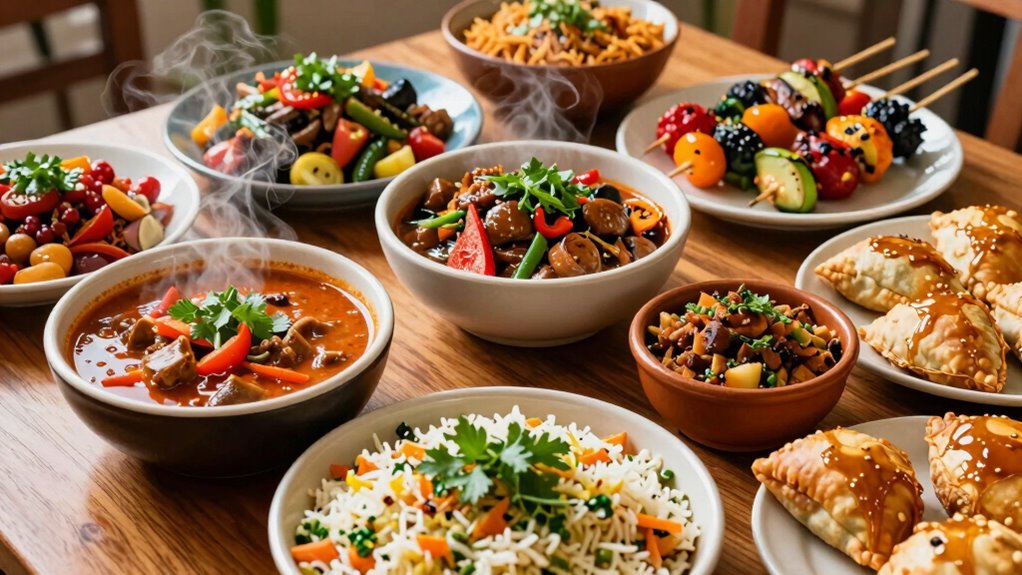
Regional cooking captures the essence of a place, offering more than just a single dish—it reveals a culture’s history, ingredients, and traditions. When you explore regional cuisines, you’re connecting with the stories of the land, the climate, and the people who have shaped its flavors over generations. It’s a doorway into understanding cultural identity, where each ingredient, cooking method, and flavor combination reflects a community’s unique history. Instead of reducing a region to one iconic dish, appreciating culinary diversity allows you to see the full spectrum of its food landscape, recognizing that no single dish can encapsulate an entire culture.
Regional cooking reveals a community’s history, ingredients, and traditions beyond just a single iconic dish.
You might be tempted to think of a country’s cuisine as defined by one famous dish, but that’s an oversimplification. Think of Italy, for example. While pizza and pasta are widely known, they only scratch the surface. Italian cuisine varies dramatically from region to region, from the seafood-heavy dishes of the coastal Amalfi Coast to the hearty, meat-based fare of the north. This variety highlights how regional ingredients and local traditions shape what people eat. Each dish is a *testament* to the land’s resources and historical influences. By embracing this diversity, you gain a deeper appreciation for the cultural identity embedded in each bite, moving beyond stereotypes and recognizing the complexity of regional foodways. Understanding culinary diversity enriches your perspective on how food reflects a region’s unique environment and history.
Cultural identity is woven into regional cooking because food serves as a marker of community and tradition. When you taste a dish rooted in a particular place, you’re experiencing more than just flavors—you’re engaging with stories of migration, trade, and adaptation. These dishes often carry symbolic meaning, celebrating festivals, honoring ancestors, or preserving local customs. Recognizing this helps you see that regional cuisines aren’t static; they evolve as communities interact with new ingredients and techniques, yet they remain tied to their roots. This dynamic aspect of culinary diversity enriches your understanding of how cultures maintain their identity through food. Additionally, traditional methods often carry cultural significance, emphasizing the importance of preserving culinary techniques passed down through generations. It’s important to note that local ingredients are fundamental to the authenticity and sustainability of regional dishes, as they support local ecosystems and economies.
Ultimately, regional cooking matters because it respects and preserves the complexity of cultural identity. It reminds you that no single dish can define a region’s entire story. Instead, it’s in the variety, the local ingredients, and the traditional methods that the true spirit of a place is revealed. When you approach regional cuisine with this mindset, you foster a genuine appreciation for culinary diversity, understanding that food is a living reflection of history, environment, and community. That’s what makes exploring regional cooking so meaningful—each meal is a chapter in a larger narrative that connects you to the people and places behind it.
As an affiliate, we earn on qualifying purchases.
Frequently Asked Questions
How Does Regional Cooking Influence Local Identity and Culture?
Regional cooking influences your local identity and culture by preserving cultural authenticity and showcasing culinary diversity. When you savor regional dishes, you connect with your community’s history, traditions, and values. These recipes reflect local ingredients and methods, fostering pride and a sense of belonging. By celebrating regional flavors, you help maintain cultural authenticity and highlight the rich culinary diversity that defines your unique cultural landscape.
What Are the Challenges in Preserving Regional Recipes?
Imagine you’re trying to preserve grandma’s recipe in a world of TikTok trends—it’s tough. Challenges in protecting regional recipes include cultural erosion, where modernization replaces traditions, and maintaining recipe authenticity, as ingredients and techniques fade away. You must act fast to document, share, and adapt these dishes, or risk losing them forever. Balancing tradition with change is key to keeping your culinary heritage alive and vibrant for future generations.
How Do Regional Ingredients Shape Local Cuisine?
Regional ingredients shape your local cuisine by offering ingredient diversity that directly influences flavor profiles. You utilize what’s available in your area, which means local herbs, spices, and produce create unique tastes that define your dishes. This connection to local ingredients fosters culinary authenticity and cultural identity, making your cuisine distinct from others. By embracing regional ingredients, you preserve traditional flavors and support local farmers, enriching your culinary heritage.
Can Regional Cooking Foster Sustainable Food Practices?
Regional cooking can definitely foster sustainable food practices. By focusing on farm-to-table approaches, you support local farmers and reduce transportation emissions. Incorporating organic farming methods guarantees healthier soil and fewer chemicals, benefiting the environment. When you choose regional dishes, you encourage seasonal eating, which minimizes waste and energy use. Overall, embracing regional cuisine promotes sustainability by aligning your food choices with eco-friendly practices that preserve local ecosystems.
How Does Migration Affect Regional Culinary Traditions?
Migration acts as a bridge, blending culinary traditions through cultural exchange, and sparks culinary hybridity. You see, when people move, they bring their flavors and techniques, transforming regional dishes into vibrant new creations. This mixing enriches the culinary landscape, making it more diverse and dynamic. As a result, migration doesn’t diminish roots; it weaves new threads into the fabric of regional cuisine, creating a delicious tapestry of shared heritage.
Conclusion
Remember, regional cooking isn’t just about flavors; it’s the heartbeat of a place, a story told through spices and tradition. When you embrace these varied dishes, you’re opening a window into the soul of a community, not just sampling a single dish. Think of it as a tapestry, each thread unique and essential. By exploring these diverse cuisines, you’re weaving your own rich, flavorful story, one that celebrates the beautiful complexity of our world.
Halloween Picks
halloween
As an affiliate, we earn on qualifying purchases.